
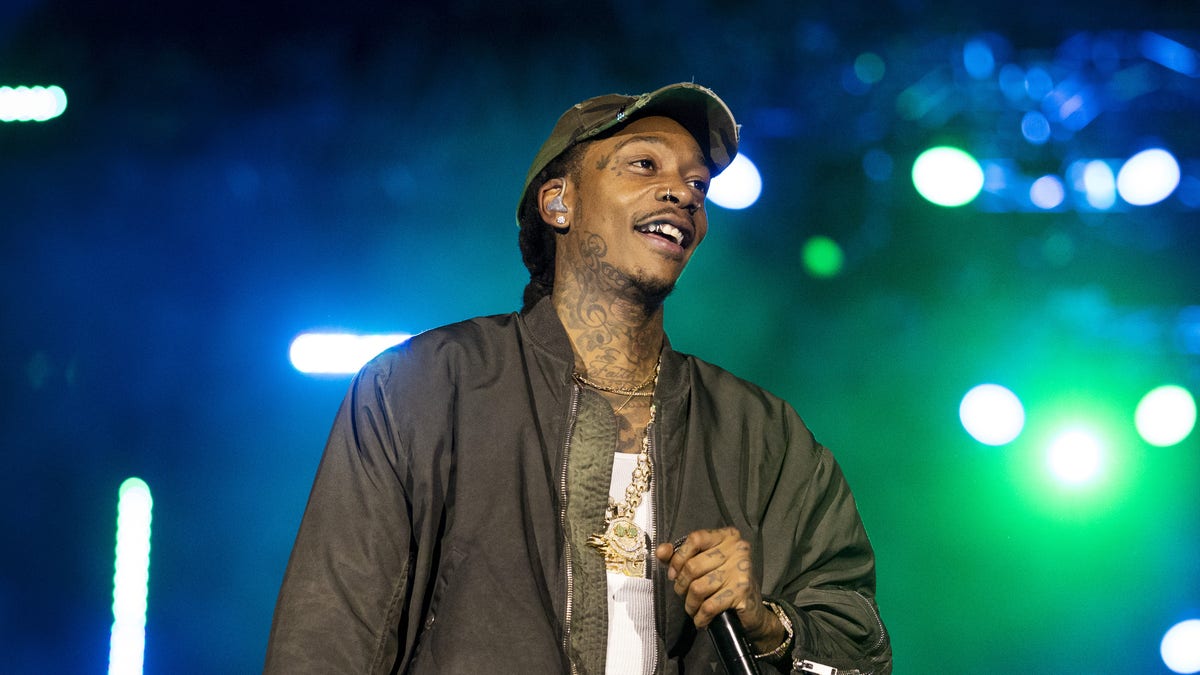
Wiz Khalifa’s legal case in Romania is now at the center of a structural shift involving divergent drug‑policy regimes. The immediate implication is heightened risk for international cultural‑entertainment ventures operating in jurisdictions with strict narcotics legislation.
The Strategic Context
Europe’s drug‑policy landscape is fragmented, ranging from liberal regimes in the netherlands and parts of Germany to highly prohibitive frameworks in eastern Europe, where Romania enforces some of the continent’s toughest cannabis bans. This regulatory heterogeneity reflects broader societal divides over public health, moral norms, and the political capital attached to “law‑and‑order” postures. In parallel, the global music industry increasingly leverages artists’ personal brands-often tied to lifestyle advocacy-to expand market reach, especially in emerging digital economies. The clash between a high‑profile artist’s cannabis‑amiable image and a nation’s zero‑tolerance stance illustrates the friction point where cultural soft power meets sovereign regulatory authority.
Core Analysis: Incentives & Constraints
source Signals: Romania maintains a strict prohibition on all forms of marijuana,classifying it as a “high‑risk drug.” Wiz Khalifa was sentenced to nine months in prison for lighting a joint on stage at a 2024 festival, and his legal team is appealing the sentence. He previously faced a brief detention for illegal drug possession at the same venue. The artist publicly expressed no disrespect to Romania and pledged to return without smoking. He also advocates globally for cannabis reform, positioning himself as a cultural ambassador for legalization.
WTN Interpretation: Romania’s enforcement serves multiple strategic purposes: it reinforces domestic political narratives of strict law enforcement, deters perceived cultural erosion, and signals alignment with broader Eastern European security‑focused postures. The government leverages high‑visibility cases to demonstrate sovereignty and to appease constituencies wary of liberalization. For Khalifa, the incident aligns with his brand’s advocacy agenda, offering publicity that can translate into streaming revenue and partnership opportunities in markets where cannabis is becoming mainstream. However, his leverage is limited by the host nation’s legal autonomy and the potential diplomatic costs of appearing to challenge sovereign law. The artist’s constraints include reliance on foreign legal systems, the risk of travel bans, and the need to balance advocacy with market access.Romanian authorities are constrained by EU human‑rights frameworks and potential diplomatic pressure from the United States, which may seek to protect its cultural exports.
WTN Strategic Insight
“When a global cultural icon collides with a nation’s zero‑tolerance drug regime, the fallout reshapes risk calculations for all cross‑border entertainment ventures.”
Future Outlook: Scenario Paths & Key Indicators
Baseline Path: The appeal proceeds without major diplomatic escalation; Romanian courts reduce or suspend the sentence, allowing Khalifa to resume touring in Europe. The incident prompts a modest review of festival compliance protocols but does not alter broader regulatory environments. International artists continue to schedule performances in Romania, incorporating stricter on‑stage conduct guidelines.
Risk Path: The appeal is denied, and the sentence is upheld, triggering a diplomatic protest from the United States and heightened media scrutiny. Romania may adopt stricter enforcement measures for foreign performers,leading to cancellations of high‑profile events and a chilling effect on cultural exchange. The episode could be leveraged by other jurisdictions to justify tighter controls on foreign artistic content.
- Indicator 1: Publication of the appellate court’s decision on the sentence within the next 3‑4 months.
- Indicator 2: Official statements from the Romanian Ministry of Culture or Tourism regarding policy adjustments for foreign performers, expected in upcoming quarterly briefings.
