
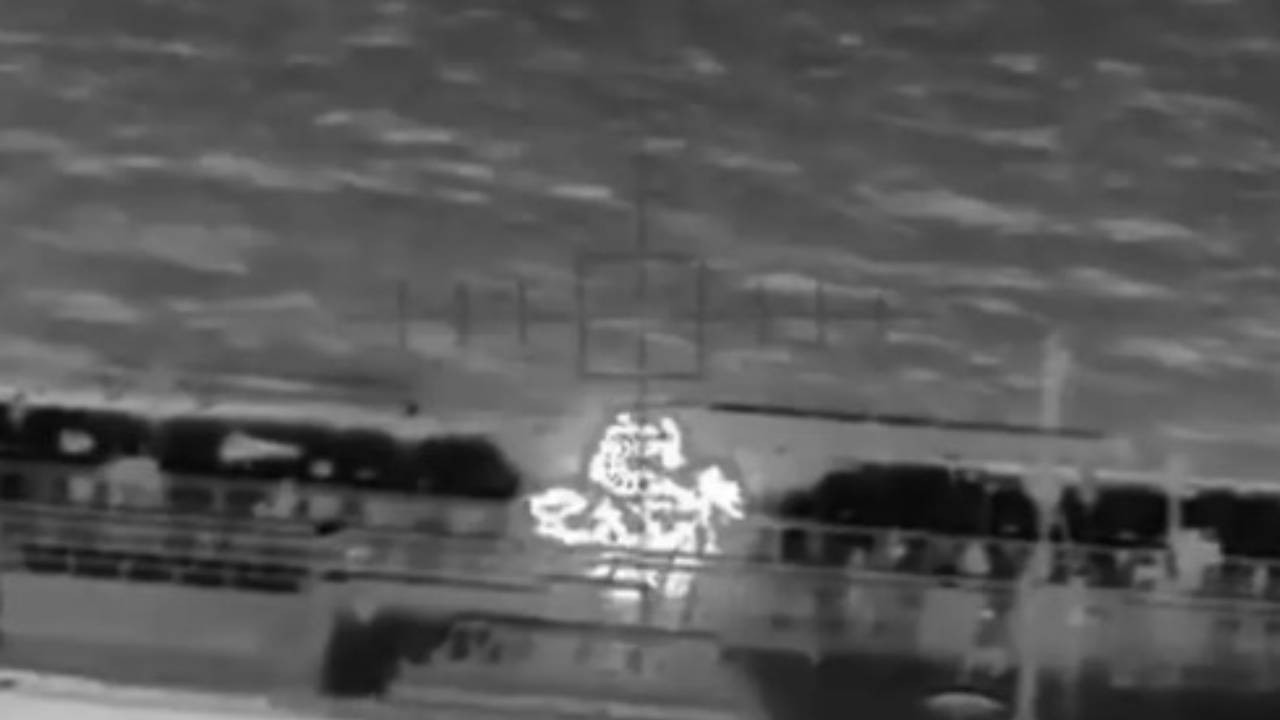
The Russian “shadow‑fleet” tanker Qendil is now at the center of a structural shift involving sanctions‑evasion logistics and remote maritime warfare. The immediate implication is a heightened risk of long‑range kinetic actions that could disrupt Russia’s illicit revenue streams and reshape naval escalation thresholds.
The Strategic Context
Since the onset of the Ukraine conflict, Russia has relied on a loosely coordinated network of privately owned vessels-often termed the “shadow fleet”-to transport oil and other commodities while evading Western sanctions.This fleet operates under opaque ownership, frequently changing flags and routes to avoid detection. The broader structural surroundings includes a multipolar maritime order, were great powers contest freedom of navigation, and a sanctions regime that has pushed sanctioned states to develop asymmetric tools for revenue protection. The deployment of Ukrainian long‑range drones into the Mediterranean marks a convergence of two trends: the diffusion of precision strike capabilities beyond traditional battle zones, and the intensifying contest over sanction‑busting logistics.
Core analysis: Incentives & Constraints
Source Signals: Ukrainian security services announced that drones struck the Qendil tanker in neutral Mediterranean waters, causing critical damage. Officials framed the vessel as a legitimate target because it allegedly transports revenue used to fund Russia’s war effort. The attack was publicized alongside President Putin’s year‑end press conference, where he suggested Ukraine might be open to dialog.
WTN Interpretation: Ukraine’s decision to target a shadow‑fleet asset far from its own coastline serves multiple strategic purposes. First, it signals the ability to project power into the “safe” zones that Russia has traditionally used for sanction evasion, thereby raising the cost of operating such vessels. Second,the timing aligns with diplomatic signaling from Moscow,suggesting Kyiv aims to leverage kinetic pressure to extract concessions or to demonstrate resolve ahead of any negotiation overtures. Russia’s constraints include reliance on these vessels for hard‑currency earnings and the need to maintain a veneer of compliance with international maritime law; overt retaliation could risk broader condemnation. Conversely, Ukraine’s constraints involve limited drone range and the risk of escalation with NATO‑linked powers monitoring Mediterranean operations.
WTN Strategic Insight
“Remote strikes on sanction‑evasion logistics turn the high seas into a new front of economic warfare, forcing states to reassess the safety of ‘neutral’ maritime corridors.”
Future Outlook: Scenario Paths & key Indicators
Baseline Path: If Ukraine continues to demonstrate the capability to reach shadow‑fleet vessels in distant waters, Russia will likely tighten operational security-employing tighter convoy protection, shifting routes farther from contested zones, and possibly increasing reliance on state‑owned tankers. the shadow fleet’s revenue contribution may decline, prompting Moscow to seek option financing channels, such as increased cryptocurrency usage or deeper engagement with non‑Western financial hubs.
Risk Path: If Moscow perceives the strikes as a direct challenge to its sovereign economic interests, it could authorize a proportional response, including the deployment of its own long‑range anti‑access weapons in the Mediterranean or the escalation of cyber‑operations against Ukrainian command‑and‑control assets.Such a response could draw NATO’s attention, raising the risk of a broader maritime confrontation.
- Indicator 1: Changes in the registration flags or routing patterns of known shadow‑fleet vessels over the next 3‑6 months, observable via AIS tracking platforms.
- Indicator 2: Official statements or policy shifts from the European Union or United States regarding secondary sanctions on entities facilitating shadow‑fleet operations, especially in the context of upcoming sanctions review cycles.
