
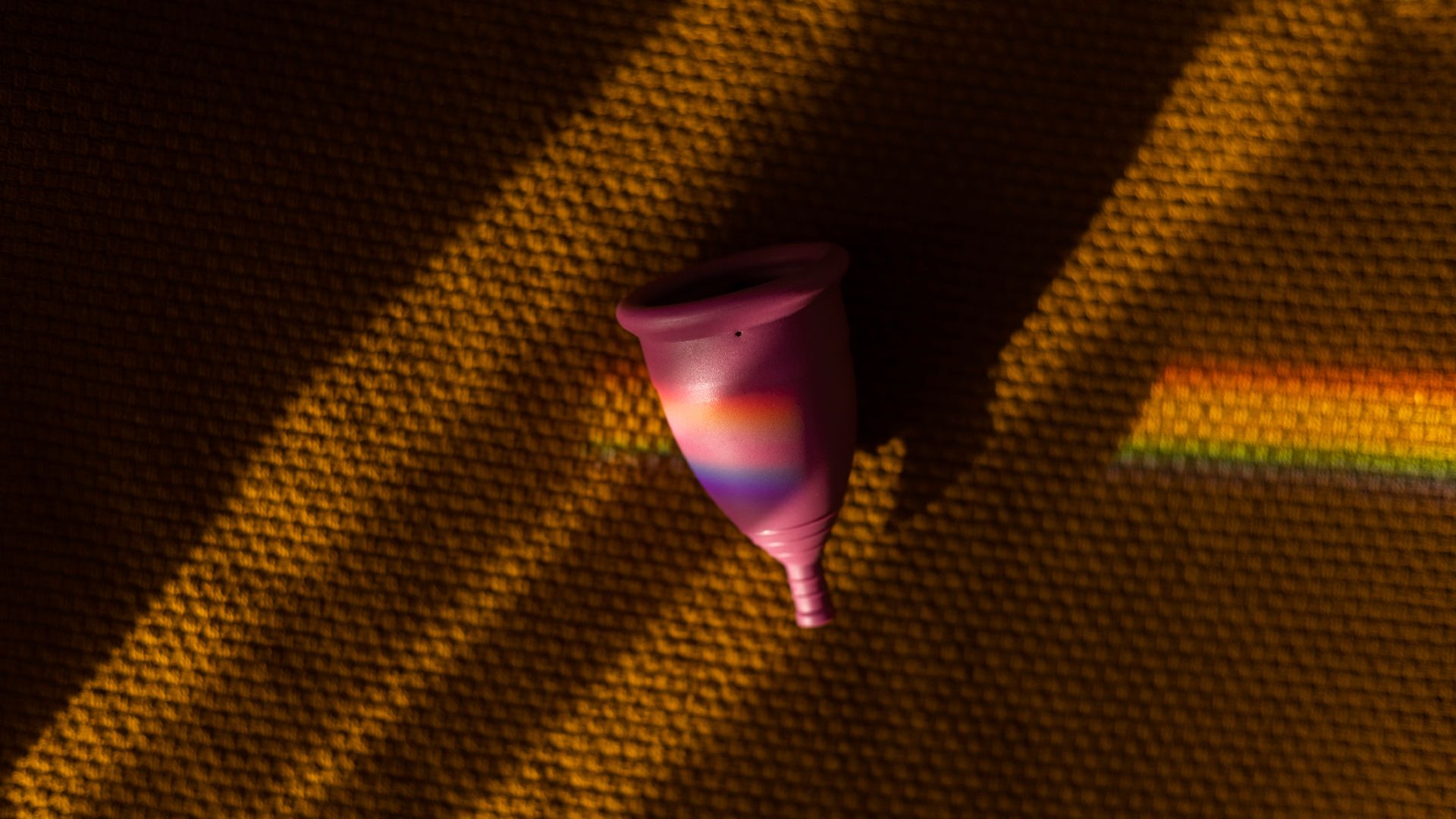
Menstrual Cup Tested on International Space Station, Paving Way for longer Female Space Missions
HOUSTON – In a first-of-its-kind experiment, scientists have successfully tested the use of a menstrual cup on the International Space Station (ISS), gathering crucial data to support longer-duration spaceflights with female astronauts. The results, published December 2 in NPJ Women‘s Health, demonstrate the feasibility and acceptability of this menstrual management option in the unique environment of microgravity.
the study addresses a meaningful gap in spaceflight healthcare, as customary menstrual products are ill-suited for use in space due to concerns about hygiene, waste management, and potential malfunction of life support systems. As space agencies plan for extended missions to the Moon and Mars, ensuring adequate menstrual health management for female astronauts is paramount, not onyl for comfort and well-being but also for maintaining mission success and reproductive autonomy. The findings will inform future growth of menstrual management systems for space and broaden opportunities for women in space exploration.
Researchers sent a commercially available menstrual cup to the ISS, where an astronaut tested its use and provided feedback on its performance. The astronaut reported successful insertion, removal, and cleaning of the cup in microgravity, with no significant challenges encountered. The study builds upon previous research highlighting the challenges of managing menstruation in space,including the potential impact of spaceflight on the menstrual cycle itself and the limitations of current solutions like hormonal suppression.
“More women will have the opportunity to go to space for even longer missions, and it is paramount that their autonomy on menstrual options is respected,” the authors wrote. They also noted that astronauts may choose to continue menstruating for personal, health, or reproductive reasons during future missions.
The research team acknowledges that while the study involved a single participant, it provides a critical proof-of-concept. Future research will focus on evaluating a wider range of menstrual management options, including disposable and reusable products, and assessing the long-term effects of spaceflight on menstrual health. The study was sponsored by the Translational Research Institute for Space Health (TRISH) at Baylor College of Medicine.
