
Dutch Parliament, Prime Minister Clash Over Ukraine Funding Pledge
THE HAGUE – A proposed €2 billion aid package for Ukraine is fueling tension between Prime Minister Richard Schoof and a majority of Dutch parliament, as MPs push for immediate commitment while the cabinet insists on waiting for a broader budget review. The dispute centers on timing,with lawmakers arguing for swift action to support Ukraine and Schoof prioritizing a “orderly process” tied to the Spring Memorandum.
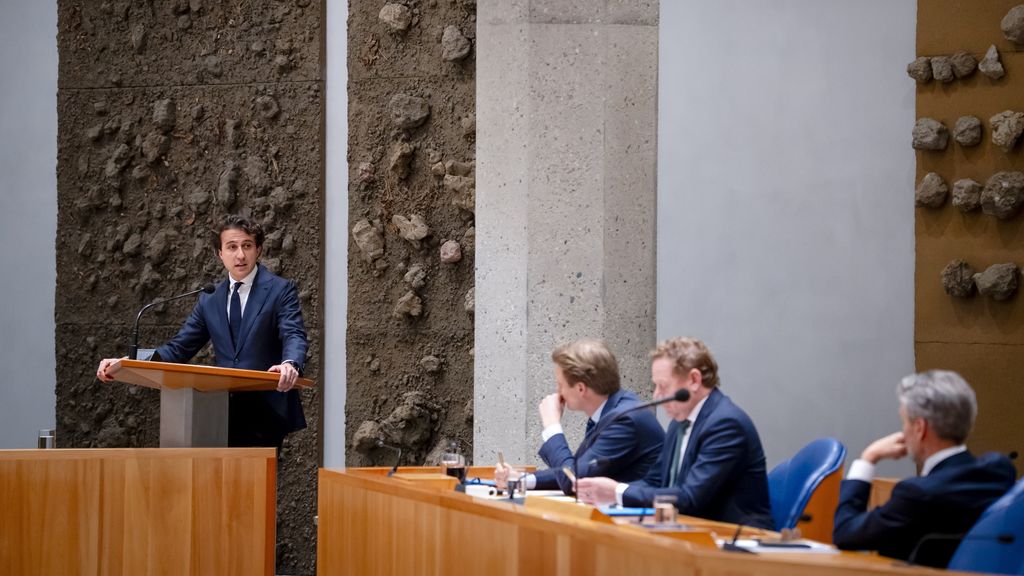
The friction emerged during a parliamentary debate where GroenLinks-PvdA leader Jesse Klaver requested the full €2 billion be allocated in the first quarter of 2026. The motion currently enjoys support from 76 MPs across CDA, D66, Christian Union, SGP, Party for the Animals, 50Plus, and Volt, though the VVDS position remains officially unclear pending next week’s vote.
While Schoof repeatedly affirmed the Netherlands‘ “unabated” support for Ukraine and commitment to a €3.5 billion aid stream, he stopped short of endorsing Klaver’s accelerated funding proposal. The government maintains sufficient funds are available for the immediate future but wants to assess the request within the context of the Spring Memorandum,a comprehensive budget review. “Now,right now,is not the time,” Schoof stated,emphasizing the need to determine “whether it fits in with the budget.”
The prime Minister’s cautious approach drew criticism from some MPs. CDA’s Eppo Boswijk drew a historical parallel, stating, “There is now a special situation and I am happy that the United States did not allow itself to be guided by an ‘accountant mentality’ after the Second World War.” Schoof rejected the comparison as “undignified and inappropriate,” asserting the Netherlands is already a significant contributor to Ukraine’s defense.
Klaver expressed disappointment at the impasse, noting agreement on the principle of aid but a divergence on implementation. Schoof acknowledged a “slightly different assessment” and also suggested other nations should increase thier financial contributions. A vote on Klaver’s proposal is scheduled for next week, at which point the government is expected to provide a further response and potentially clarify whether Ukraine can expect the additional €2 billion in early 2026.
