
lobito Corridor Project Faces Scrutiny Over Equitable Benefits and European Dependency
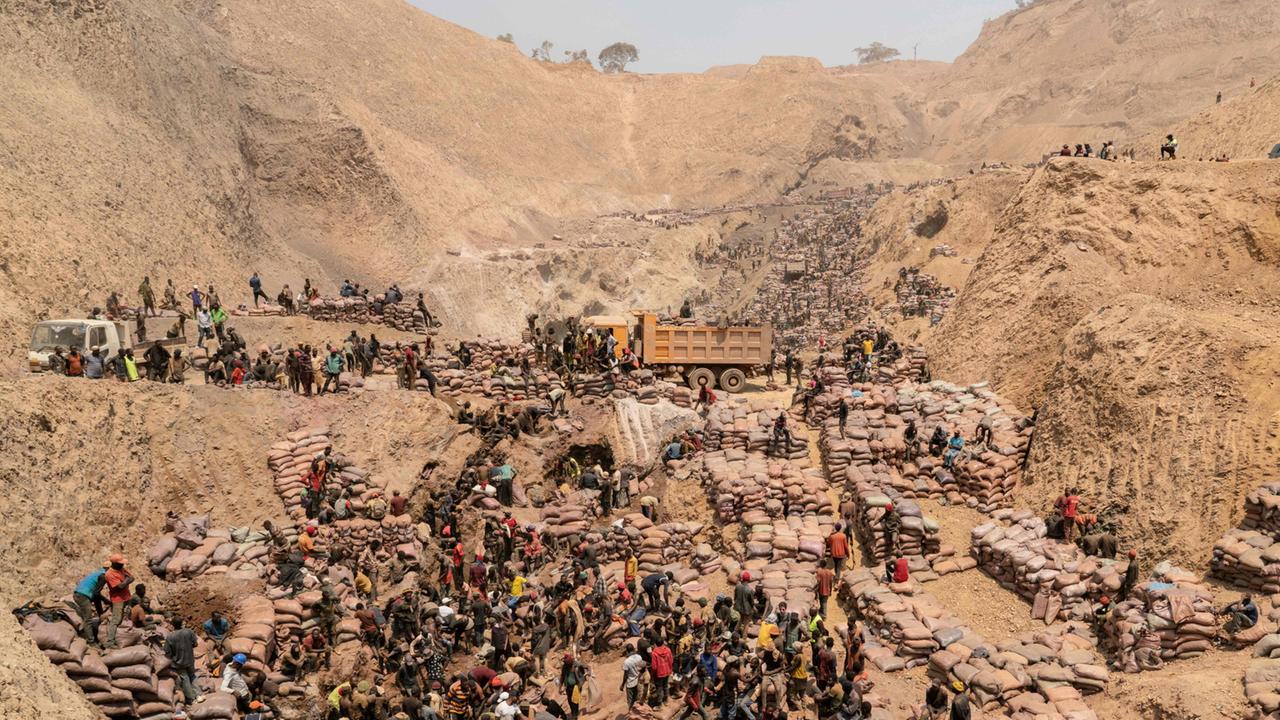
Brussels - A major infrastructure project intended to bolster trade and resource transport from Angola to Europe is drawing criticism regarding its potential for genuine mutual benefit and concerns about deepening European reliance on Chinese processing capabilities. The Lobito Corridor, a railway intended to facilitate the flow of raw materials, is under examination as to whether its advantages will extend beyond corporations to the communities along its route and whether it truly addresses Europe’s supply chain vulnerabilities.
The initiative, aiming to connect the Atlantic port of Lobito in Angola to the Democratic Republic of Congo and Zambia, is framed as a solution to diversify Europe’s access to critical minerals.However, observers question if the project will replicate historical patterns of resource extraction that have yielded limited gains for Angolans. The project’s long-term success and equitable distribution of benefits remain uncertain as geopolitical competition intensifies between the European Union, Russia, and China for influence and access to African resources.
Journalist and human rights activist Rafael Marques de Morais, speaking to ARD studio Brussels, leveled accusations of systemic corruption within the Angolan government, asserting that its primary objective is resource exploitation. “What benefits have we had so far from all these years of Western presence in the oil and diamond sectors? Very little for the majority of people in Angola,” Marques de Morais stated, urging Angola to avoid becoming a pawn in broader international power dynamics.
Even proponents of the Lobito Corridor acknowledge that the project alone won’t eliminate Europe’s dependencies. Arthur Leichthammer of the Delors Center highlighted China’s established dominance in raw material processing, noting that “As long as these steps take place almost exclusively in China, Europe remains vulnerable.” china has been a global hub for refining raw materials for over two decades, creating a significant point of leverage.
