
TikTok Trend Celebrates ‘Wabi-Sabi,’ Embracing Imperfection in a Culture of Aesthetic Obsession
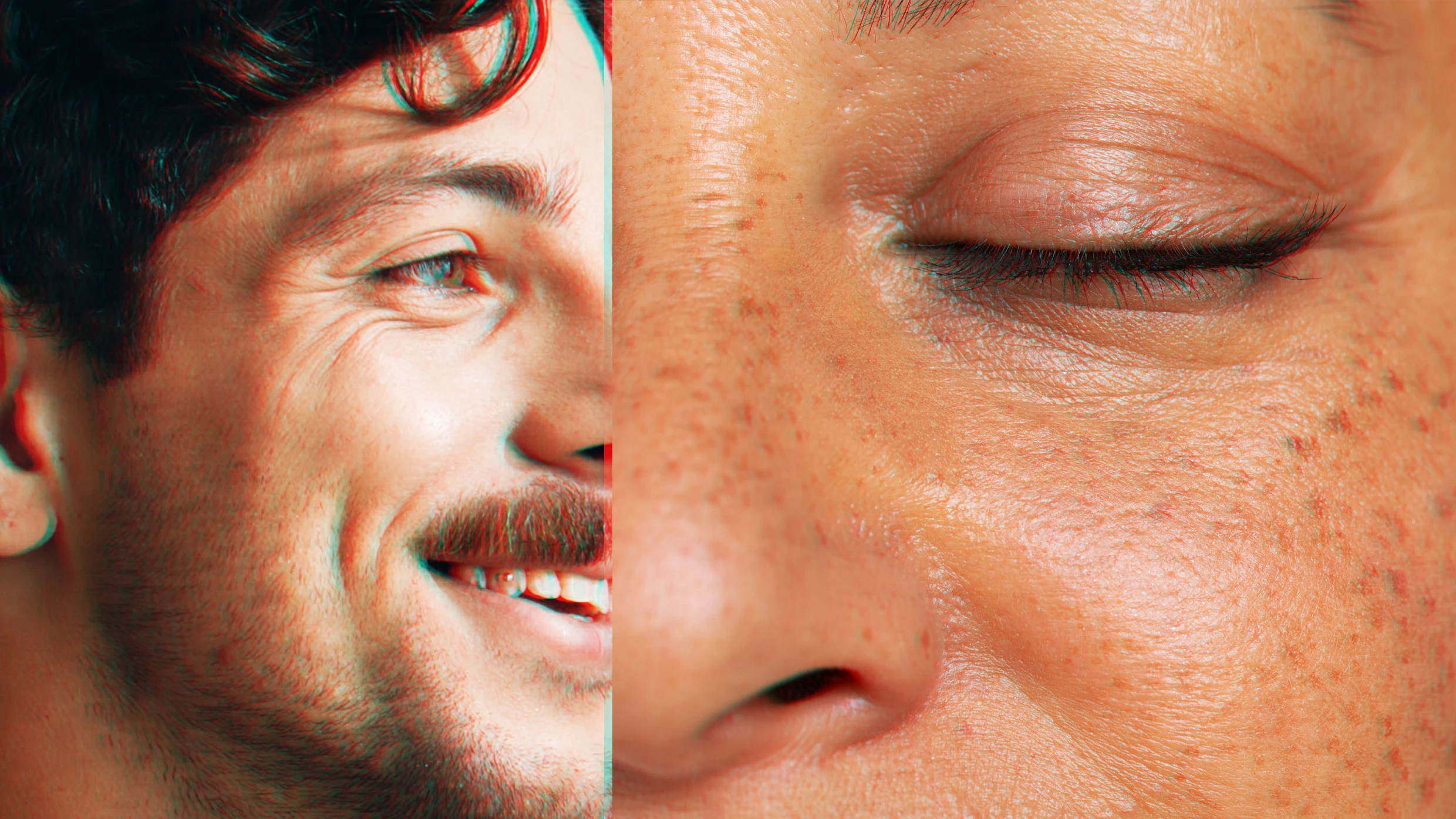
NEW YORK – A burgeoning trend on TikTok is challenging the platform’s often hyper-polished aesthetic, encouraging users to identify and share their personal “wabi-sabi” – qualities they once perceived as flaws but now appreciate as unique and beautiful. The hashtag #wabisaabi is rapidly gaining traction, with millions viewing videos showcasing everything from freckles and gap teeth to scars and asymmetrical features, marking a potential shift away from the relentless pursuit of perfection fueled by social media.
The movement arrives at a critical moment. As aesthetic trends accelerate online - from the “Instagram Face” to the current pursuit of procedures like “skinny BBLs” and preventative facelifts – a counter-narrative celebrating individuality is gaining momentum. This trend offers a direct response to the pressures of “aesthetic inflation,” a phenomenon defined by writer Jessica Defino as the “normalization of more and more extreme cosmetic interventions over time,” and the documented correlation between social media use and the desire for plastic surgery. The embrace of wabi-sabi represents a conscious effort to redefine beauty standards and foster self-acceptance in an increasingly filtered digital landscape.
The concept of wabi-sabi originates from Japanese aesthetics, traditionally finding beauty in imperfection, impermanence, and simplicity. On TikTok, users are interpreting this beliefs through a modern lens, highlighting features often targeted by beauty standards and reframing them as sources of character and individuality. A 2019 New Yorker article declared the rise of “the Age of Instagram Face,” a homogenized aesthetic driven by filters and cosmetic procedures. Now, six years later, the platform is witnessing a potential pivot, with users actively rejecting the pursuit of a singular, unattainable ideal.
The trend’s emergence comes as headlines increasingly document the extreme lengths people are going to achieve perceived perfection. Recent reports detail the growing popularity of the “skinny BBL” and the increasing number of individuals seeking facelifts in their late twenties. Research from Boston University further underscores the link between online activity and cosmetic surgery desires. By actively showcasing and celebrating perceived flaws, the #wabisaabi trend offers a powerful antidote to this cycle, potentially influencing a broader cultural shift towards self-love and acceptance.
