
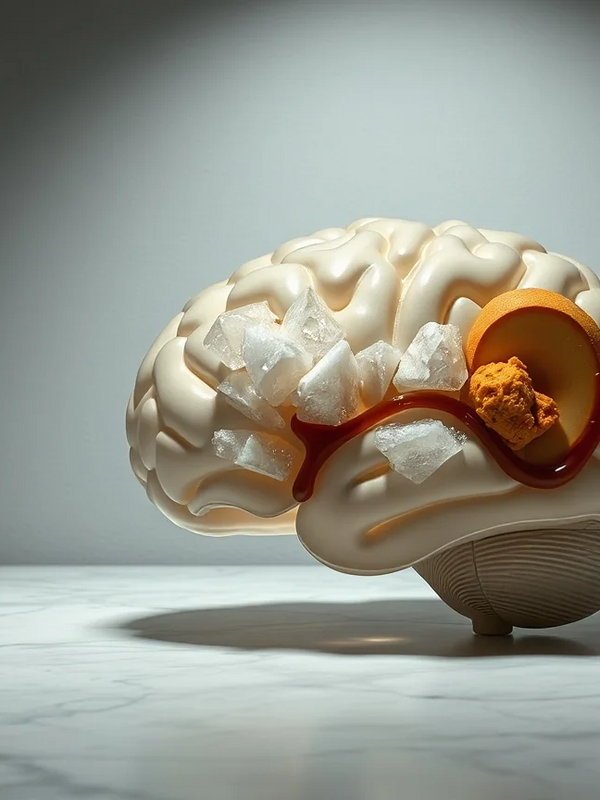
The Growing Threat to Brain Health: How Diet Impacts Cognitive Function
Our modern diet is increasingly linked to a decline in brain health, with experts warning of a potential surge in dementia cases linked to readily available, processed foods. The convenience of today’s food landscape might potentially be coming at a significant cognitive cost.
The Rise of Ultra-Processed Foods
The sheer volume of readily available, ultra-processed foods is a major concern. In Germany, sales of ready meals alone are projected to reach 6.58 billion euros by 2025 - and this trend is accelerating. This reliance on convenience foods is a key factor in the growing threat to brain function.
sugar: A Sweet path to Cognitive Decline
Sugar is identified as a primary culprit. High blood sugar levels can damage blood vessels in the brain, leading to reduced blood flow to vital areas and increasing the risk of stroke and dementia. Beyond this, research from the University of Regensburg has revealed that lactose accelerates the aging of brain cells by attaching to proteins and altering the protective insulating layer around cells. While the brain requires glucose for energy, the excessive amounts found in sugary drinks and processed foods ultimately impair cognitive performance.
Trans Fats: An Underestimated Danger
Another concerning group of substances is trans fats. Created during the industrial processing of vegetable oils,they are prevalent in fast food,pre-packaged products,and baked goods. The consequences of trans fat consumption include:
* Increased risk of heart disease
* Memory problems
* A considerably elevated risk of dementia
Saturated fats, found in butter, fatty meats, and sausage, can also contribute to brain health issues by raising cholesterol and promoting inflammation - both detrimental to brain function. A healthier alternative lies in consuming fats from sources like olive oil, nuts, and fatty fish, which offer protective benefits.
The Gut-Brain Connection
According to Prof. Dr. Frank Erbguth, President of the German Brain Foundation, it’s not about single ingredients, but rather the combination and frequency of consumption.A crucial element in this equation is the gut-brain axis. An unhealthy diet disrupts the gut microbiome, and these changes directly impact brain health, leading to chronic inflammation, metabolic disorders, and neurotoxic processes. The cumulative effect of these factors over years can result in ample cognitive decline later in life.
A Mediterranean Diet as a Protective Strategy
many cases of dementia may be preventable through dietary changes, placing nutrition at the forefront of preventative measures. The Mediterranean diet, characterized by its abundance of fruits, vegetables, healthy fats, and fish, is particularly promising. Studies demonstrate that this dietary pattern protects both the heart and brain, reducing inflammation, improving blood supply, and preserving cognitive function for longer.
Looking Ahead: Awareness and Transparency
While initial nutrition trends for 2025 suggest a growing awareness and shift towards plant-based, health-oriented foods, experts argue that individual change isn’t enough. There is a strong call for clearer labeling of ultra-processed foods to empower consumers to make informed choices about their diet.
The message is clear: proactively rethinking daily dietary habits is essential for maintaining brain health throughout life. Research provides the evidence – the duty to act rests with each individual.
(Advertisement)
PS: A short self-test can reveal the first warning signs – and simple exercises can help you regain concentration.In addition to an anonymous rapid test, the free report “Brain training made easy” also provides practical 2-minute exercises, nutritional tips and a daily plan that can be used to sustainably strengthen memory and focus.Developed with experts, particularly suitable for people over 50 and relatives. Free, anonymous and fast; result and PDF instant download via email. Request a brain report & self-test now
