
From Data to Warmth: A British Couple Heats Their Home with a Mini Data Center
Terrence and lesley Bridges, a couple from Essex, are experiencing a revolutionary change in how they heat their home. They’ve traded their gas boiler for a cutting-edge system powered by a small data center installed in their shed, as reported by the BBC.
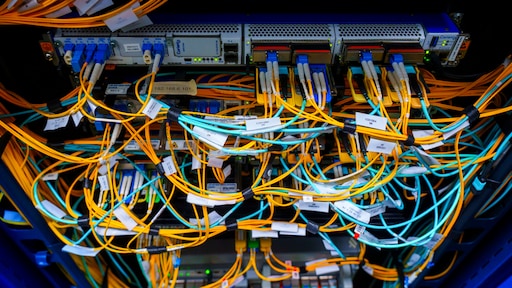
The system is part of a pilot project utilizing a “HeatHub” – a compact data center housing 500 computers. These computers generate significant heat while processing data for various companies who foot the electricity bill. Instead of letting this heat dissipate, the HeatHub captures it, transferring it to oil which then heats the water circulating through the Bridges’ radiators.
For Lesley, who suffers from pain exacerbated by cold temperatures due to spinal canal stenosis, a consistently warm home is particularly vital. The new system is delivering just that, and at a remarkable cost reduction. The couple’s monthly energy bill has plummeted from £375 (approximately €424) to just £40 (€45).
“It’s really great,” Terrence Bridges told the BBC.”A hundred percent improvement over what we had before.” Lesley jokingly adds, “You no longer have to go to the sauna after you visit us.”
The HeatHub project leverages the fact that data centers globally are substantial energy consumers, with as much as 30% of that energy dedicated to cooling the equipment. By repurposing this wasted heat, the developers are aiming to create a enduring and efficient heating solution.
The system is further enhanced by the Bridges’ existing solar panels and battery storage, maximizing energy savings. The company behind HeatHub envisions expanding this technology beyond individual homes,with plans to potentially heat larger structures like hospitals in the future. This innovative approach transforms a potential energy drain into a valuable resource, offering a glimpse into a more sustainable future for home heating.
