
SARS Emerges: A Warning Ignored Two Decades Before COVID-19
GUANGDONG PROVINCE, CHINA – On November 16, 2002, a 31-year-old hotel worker in Guangdong province became the first known case of Severe Acute Respiratory Syndrome (SARS), marking the beginning of an outbreak that would foreshadow the global COVID-19 pandemic two decades later. The initial patient,whose identity has remained largely private,unknowingly carried a novel coronavirus that would swiftly spread across borders,exposing critical vulnerabilities in global public health infrastructure and revealing a pattern of lessons unheeded.
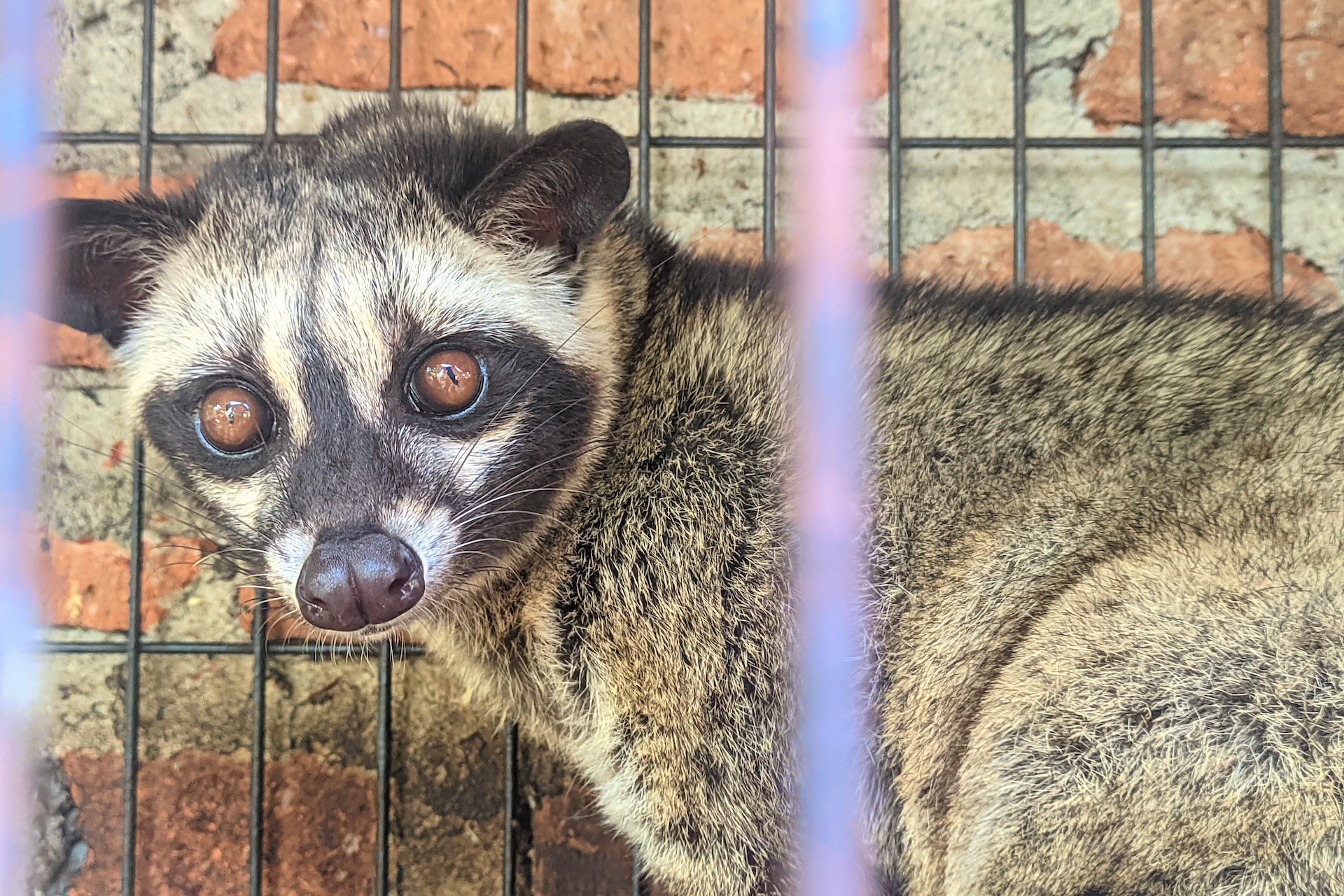
SARS, while ultimately contained, served as a stark warning about the potential for rapid, devastating respiratory illness. The emergence of SARS-CoV, as the virus was later named, highlighted the dangers of zoonotic diseases – those jumping from animals to humans – and the importance of proactive surveillance. Despite these lessons,crucial preventative measures were not fully implemented,contributing to the world’s later unpreparedness for the even more transmissible SARS-CoV-2,the virus causing COVID-19.
The initial outbreak in Guangdong quickly escalated, with the virus spreading through hospitals and then carried by travelers to other countries. By February 2003, the World Health Organization (WHO) issued a global alert, and by March, SARS had spread to over 24 countries. The virus proved highly contagious, causing severe respiratory distress and a fatality rate of approximately 9.6%, significantly higher then the initial estimates for COVID-19.
Crucially, the scientific community responded with unprecedented speed. Within weeks of identifying the virus, researchers isolated SARS-CoV, paving the way for diagnostic tests and potential treatments. This rapid response was aided by advancements in molecular biology, including the burgeoning field of mRNA technology - a platform that would later prove instrumental in developing highly effective COVID-19 vaccines. As noted by LiveScience, this technology “had been in the works for decades.”
However, some critical warnings from the SARS experience were overlooked. In 2017, Dr. Kwok-Yung Yuen, a virologist at the University of Hong Kong who co-discovered the SARS virus, cautioned against disturbing wildlife habitats and bringing wild animals into markets, telling Nature News that respecting nature “is the way to stay away from the harm of emerging infections.” This practice, sadly, continued.
Moreover,the relative ease with which SARS was contained – through aggressive contact tracing and quarantine measures – fostered a false sense of security. Unlike SARS-CoV-2, SARS had a shorter infectious window, being most contagious during the later, more severe stages of illness. COVID-19, conversely, proved highly transmissible even from individuals in the early phases of disease, sometimes before symptoms appeared, making containment far more challenging.
Ultimately, the SARS epidemic of 2002-2003, while successfully controlled, stands as a pivotal moment in science history – a critical, albeit costly, rehearsal for the global health crisis that would unfold twenty years later.
