
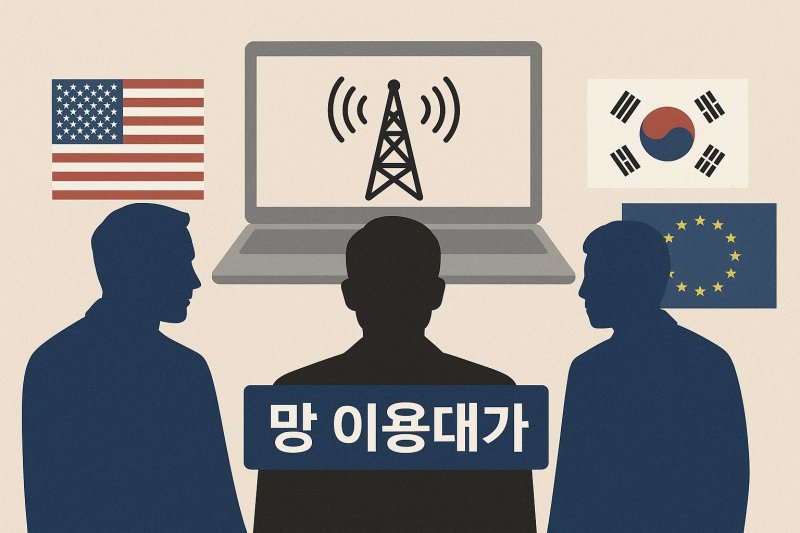
Korea-U.S. Summit Signals End to Push for YouTube Network Usage Fees
SEOUL – A recent agreement reached between Korean and U.S. leaders effectively dashes South korea’s efforts to compel content providers like YouTube to pay network usage fees, a move fiercely opposed by global tech companies. The understanding, formalized during the recent summit, reinforces the U.S. government’s stance that such fees constitute a trade barrier and discriminatory measure, according to a fact sheet released following the meeting.
The outcome represents a meaningful win for international content providers (CP) and a setback for Korean telecommunications companies seeking to redistribute the costs of increasing data traffic. The agreement aligns with the World Trade Organization’s (WTO) policy of permanently suspending tariffs on electronic transmissions, framing network usage fees as akin to tariffs on digital trade. This decision solidifies an international norm of “tariff-free digital transmissions” and complicates existing policy and legislative efforts in Korea aimed at securing contributions from platforms for network infrastructure.
The U.S. fact sheet explicitly cites the “prevention of network free riding” as a key consideration, while emphasizing the non-discrimination principle. This signals that any attempt to impose differential regulations on overseas content providers could be challenged as a violation of trade agreements. Industry analysts note the agreement was “codified in a document at a much higher level than expected,” suggesting the general direction of policy has already been persistent despite pending bills before the National Assembly and ongoing government review.
Telecommunications companies will now need to reassess strategies for managing traffic costs, while global content providers have gained a strengthened international legal position. The agreement underscores the growing tension between national efforts to regulate digital platforms and the prevailing international framework supporting free digital trade.
