
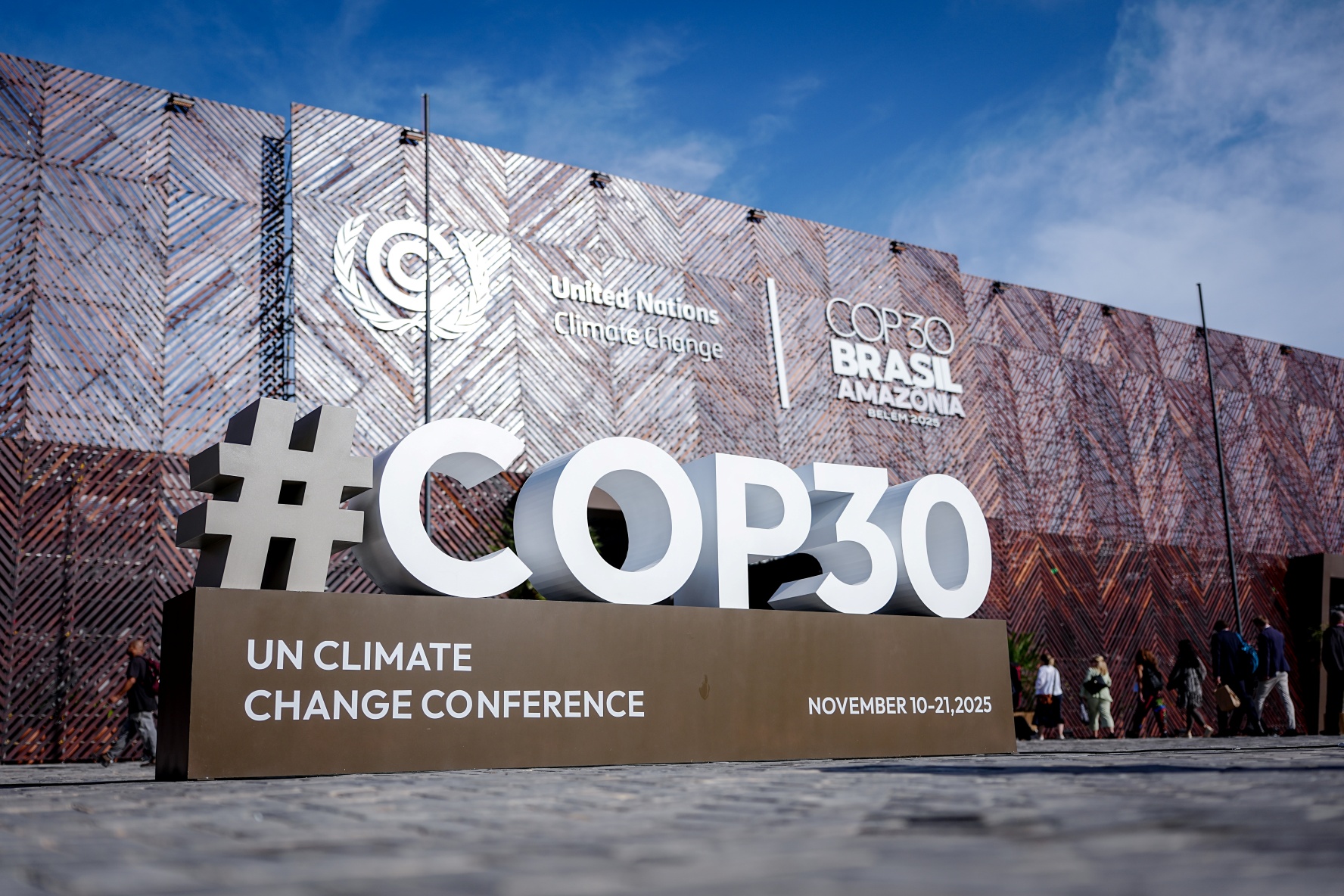
COP30 Faces High Stakes as Funding Gaps Threaten Climate Goals
Belém, Brazil – As the 30th Conference of the Parties (COP30) convenes in Brazil, the international community faces a critical juncture in climate action, grappling with ambitious financial targets and the potential erosion of the landmark Paris Agreement’s legitimacy. Hosted by Brazil, the summit aims to build upon commitments made at COP29 in Baku, notably the pledge to mobilize $300 billion in annual climate financing, and advance the “Baku-to-Belém” roadmap for delivery.
Despite a flurry of goals set by the host contry, securing adequate funding remains the most notable hurdle.The success of COP30 will hinge on translating pledges into concrete financial commitments, particularly for initiatives like Brazil’s Tropical Forest Forever Facility, designed to protect the Amazon and other vital ecosystems. This facility aims to match $25 billion in government funding – with Brazil already contributing $1 billion – and leverage three times that amount from private investors. Though, with global economic pressures and competing financial demands, achieving these targets will be a considerable challenge.
The stakes are particularly high as the COP process takes on increasingly complex tasks. Experts warn that a failure to reach a final agreement at COP30 could undermine the hard-won legitimacy of the Paris Agreement. David G. Victor, a climate policy expert, notes the growing risk of a complete breakdown in negotiations, echoing concerns that a “reset” of climate policy, if poorly executed, could prove more damaging than continuing the current trajectory.
Beyond funding, the summit will be closely watched for its overall mood and ability to maintain momentum. The Amazon rainforest, currently experiencing a severe drought and ongoing deforestation – particularly around Belém – provides a stark reminder of the urgency and the need for effective funding mechanisms. However, simply recognizing the worthiness of these mechanisms is insufficient to unlock the necessary capital.
COP30 arrives at a time of increasing scrutiny of climate goals,with some deemed “impractical” by observers. The conference presents an opportunity to reaffirm existing commitments and forge a path toward more realistic and achievable targets, but the path forward remains fraught with challenges. The outcome in Belém will not only shape the immediate future of climate finance but also determine the long-term viability of international climate cooperation.
