
Early Detection is Key for Men’s Cancers: Prostate, Kidney, and Bladder
Early detection is crucial in the fight against prostate, kidney, and bladder cancers, as these diseases often present no symptoms in their initial stages. This makes regular check-ups and awareness of risk factors notably crucial for men, especially as they age.
Prostate Cancer: Prostate cancer, a neoplasm of the prostate gland, is influenced by factors like increasing age, obesity, a diet high in saturated fats, and family history. Often,the disease is entirely asymptomatic early on. Professor Porreca emphasizes, “Prostate cancer in the vast majority of cases does not give any signs of itself and is discovered only thanks to PSA control and a specialist visit.” Symptoms like reduced urinary flow and bone pain typically appear in more advanced stages, often indicating the presence of metastases. Regular PSA measurements and urological evaluations, particularly after age 50 or earlier with a family history, are the most effective tools for early diagnosis.
Kidney Cancer: Similar to prostate cancer, the causes of kidney cancer aren’t always clear. Risk factors include smoking, obesity, hypertension, exposure to chemical substances, age over 60, and being male. “In almost all cases, kidney cancer is asymptomatic in the initial stages,” and is frequently discovered during imaging scans performed for unrelated reasons. Blood in the urine, flank pain, or a palpable mass are rare early indicators, usually appearing when the cancer is more advanced.
Bladder Cancer: Bladder cancer accounts for approximately 3% of all cancers and disproportionately affects men between 60 and 70 years old. Smoking and a diet rich in fried and fatty foods increase risk. Certain professions, such as those in the textile, dye, rubber, and leather industries, also carry a higher risk due to exposure to substances like aromatic amines and nitrosamines.
The Importance of Monitoring & Advanced Diagnostics: Professor Porreca stresses the importance of monitoring individuals at risk and utilizing advanced diagnostic tools. “Today we have innovative methods able to integrate the simple PSA assessment: advanced endoscopic diagnostics, high resolution CT scan, multiparametric MRI and advanced digital technologies, which allow us to find increasingly smaller lesions with great precision.”
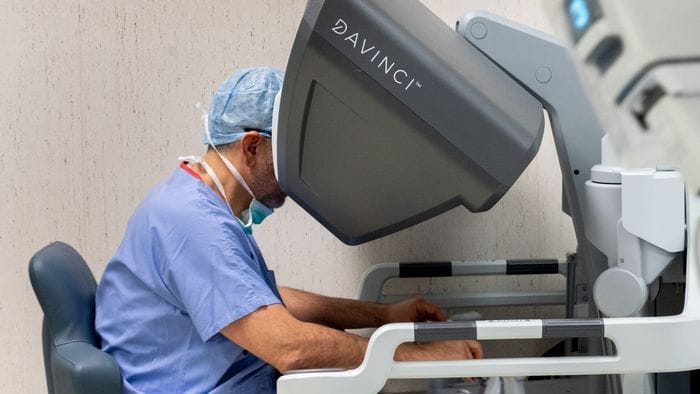
Treatment Options & Robotic Surgery: Treatment strategies vary depending on the cancer and its stage, ranging from active surveillance to radiotherapy, hormone therapy, and radical surgery. Robotic surgery, utilizing a Single Port system, offers meaningful benefits. This minimally invasive approach involves a single 3cm incision through which surgeons maneuver miniaturized robotic arms and a high-definition 3D flexible endoscope. Benefits include reduced post-operative pain, less bleeding, shorter hospital stays, and faster recovery. Robotic techniques are employed for radical prostatectomies, partial nephrectomies, and radical cystectomies. Professor Porreca concludes, “The precision of the robot-assisted surgical gesture means offering superior quality oncological surgery, with less impact on the patient and better functional results. It is indeed not just a question of removing the tumor, but of preserving the man’s quality of life after the operation.”
