
Japan’s Nobel Laureates Spark Debate Over Researcher Exodus to China
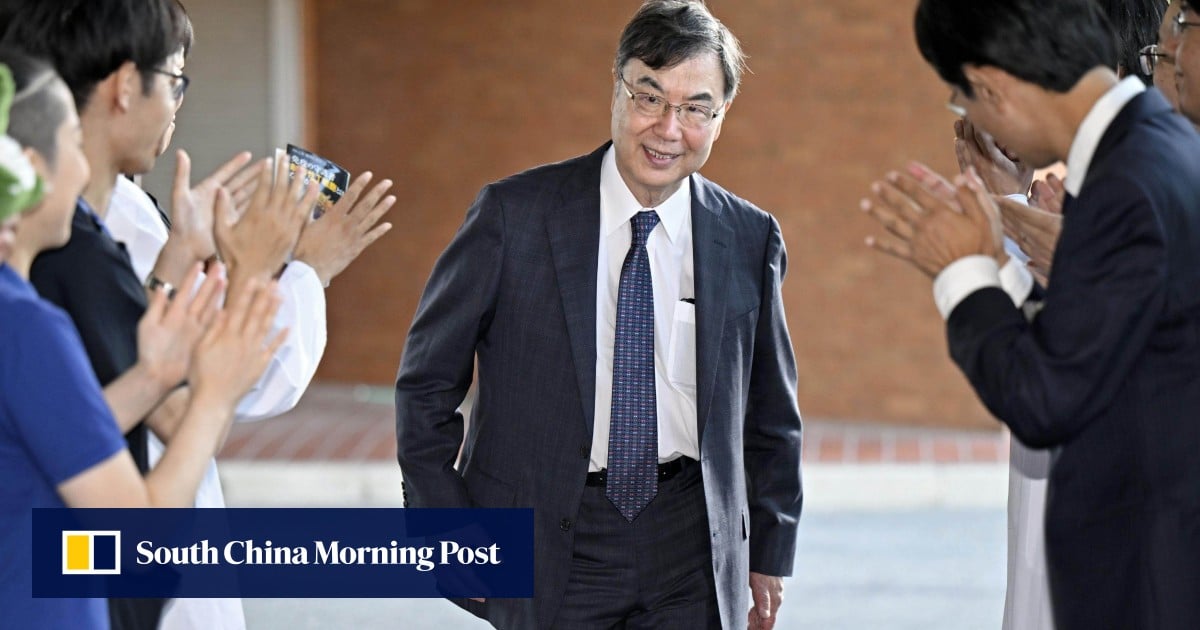
TOKYO – Japan is celebrating Nobel Prizes awarded this week to Shimon Sakaguchi and Susumu Kitagawa, but the accolades are together fueling concerns about a growing “brain drain” as the nation struggles to retain its top scientific talent, especially in the face of increasing opportunities in China.
The wins have triggered renewed scrutiny of Japan’s research infrastructure, with observers pointing to insufficient funding, job instability, and inflexible institutions as key factors driving researchers abroad. This comes as China rapidly ascends as a global science and technology powerhouse, attracting researchers with robust financial backing and streamlined research environments.
Sakaguchi was jointly awarded the Nobel Prize in Physiology or Medicine with two American colleagues for discoveries concerning the regulation of the immune system. Kitagawa, recognized in Chemistry, shared the prize with American and Australian researchers for developing porous materials capable of storing and releasing gases, making him Japan’s 31st Nobel laureate.
However, an editorial published Wednesday in the Sankei Shimbun newspaper highlighted that Sakaguchi’s work benefited from meaningful support from the U.S. scientific community, suggesting his achievement “would not be possible in Japan’s current research environment.” The editorial noted that Sakaguchi’s research was considered “unconventional” and required four decades – 20 years to validate his theory and another 20 before receiving the Nobel recognition.
The Sankei shimbun editorial further stated that scientific research in Japan has demonstrably slowed as the start of the 21st century. It contrasted this with China’s rapid advancements,noting Japan’s declining international ranking in the number of high-quality research papers published,now the lowest among developed nations,characterizing the situation as “critical.”
