
Dim prospects for Venezuelan Dialog: A Complex Path Forward
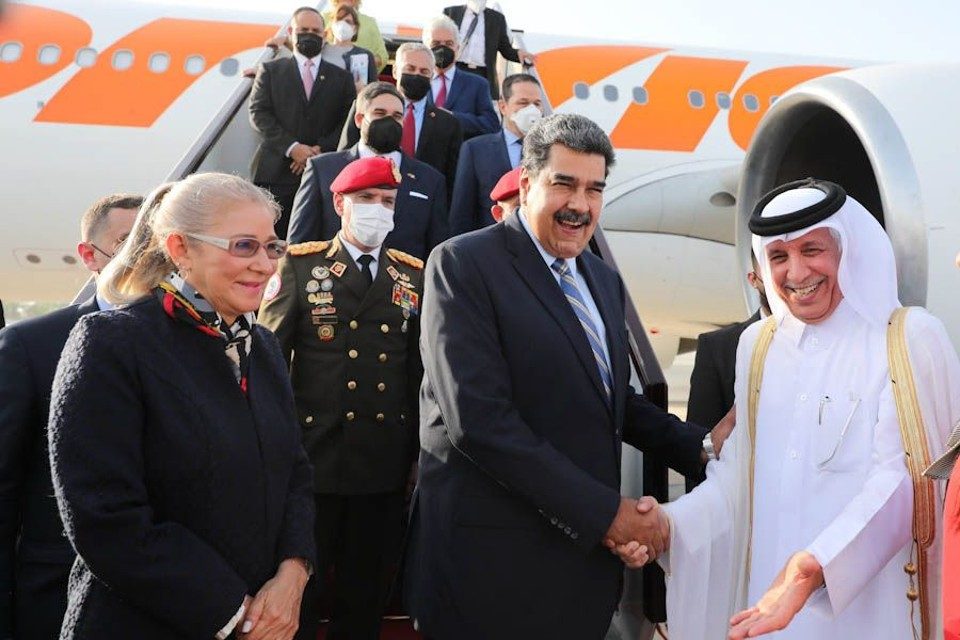
Recent mediation efforts led by Qatar face meaningful hurdles in resolving the deep-seated political crisis in Venezuela. While the potential to stabilize energy markets through continued oil exports exists, experts express skepticism about achieving significant democratic progress without basic shifts within Venezuela or a change in US policy.
the core challenge lies in the entrenched positions of the key players. President Nicolás Maduro insists any negotiation must result in his recognition as legitimate leader, a demand fiercely opposed by the opposition, notably frontrunner Edmundo González, who advocates for a democratic transition. This fundamental disagreement casts a long shadow over the prospects for meaningful dialogue.
Political analyst Luis Ortega highlights the limited scope likely for any talks, suggesting a focus on maintaining the flow of Venezuelan crude – mirroring the partial success of the Barbados agreement which allowed for 250,000 barrels per day of exports – is the most realistic outcome.However, he cautions that the increasingly hardline stance of the United States, including increased rewards for Maduro’s capture, favors continued pressure over negotiation.
Further undermining confidence in potential agreements is the escalating political repression within Venezuela, with the NGO Criminal Forum reporting 838 political prisoners. The previous breach of the Barbados Agreement also fuels doubts about Maduro’s commitment to upholding any future pledges. As David Smilde notes in the European Review of Latin american Studies, mediations in seemingly intractable conflicts like Venezuela often yield only temporary pauses, not lasting solutions, without robust internal opposition pressure.
Analysts agree the current situation demands more than simply maintaining the status quo. “We are at a elaborate point of no return,” warns political scientist Ibsen Contreras, emphasizing that any political solution must satisfy all parties and lead to peaceful change. He believes Qatar’s role should be to facilitate dialogue and utilize all diplomatic avenues, warning that continued US pressure on maduro’s government could escalate the situation with unpredictable consequences. “The current situation is unsustainable,” Contreras asserts, arguing that negotiating for no change will only breed further instability and the risk of violence.
Given the US reluctance to accept minor concessions from Maduro, some suggest Qatar should explore option strategies. Jorge Romero proposes Qatar could facilitate a negotiated departure for Maduro, possibly offering asylum to Chavista leaders and military officials. He points to Qatar’s triumphant mediation in complex conflicts like the Hamas-Israel dispute and in Afghanistan as evidence of its capacity to build trust and engage with all sides, possessing both direct contacts with the Maduro government and strong relations with the US.
Qatar’s approach is known to be discreet, keeping details confidential until an agreement is solidified. Though, the path to a resolution remains fraught with obstacles, and the likelihood of substantial democratization appears slim without significant internal changes within Venezuela or a strategic shift in US policy.
