
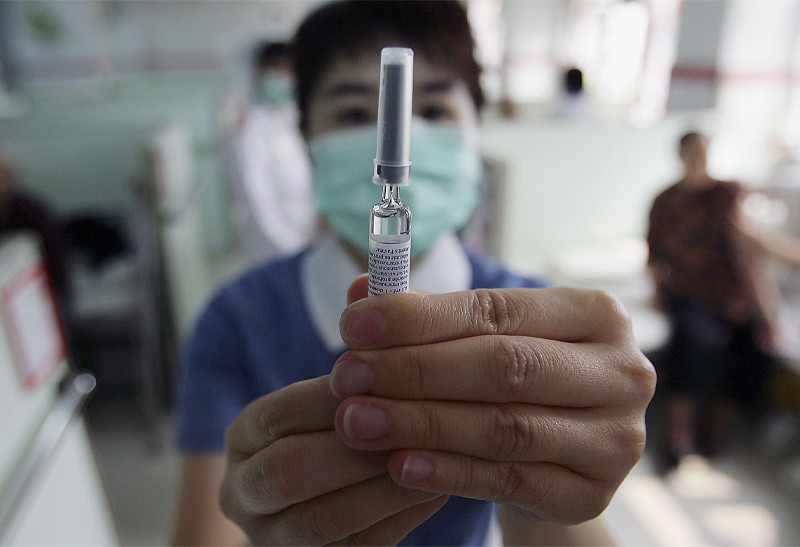
Free flu Shots in Hospitals Significantly Reduce Death and Rehospitalization for Heart Failure Patients, Landmark China Study Finds
A new study reveals a simple intervention – offering free influenza vaccinations to patients hospitalized with advanced heart failure – dramatically improves outcomes, reducing the risk of death or rehospitalization by 17%. Published in The Lancet,the research addresses a critical gap in preventative care for a vulnerable population and offers a model for resource-limited healthcare systems.
Patients with advanced heart failure face a heightened risk of severe complications from influenza, yet vaccination rates remain alarmingly low, especially in countries like China where costs pose a significant barrier to access. The PANDA II study, conducted across 164 hospitals in china with 7,771 participants, demonstrates that removing financial obstacles and integrating vaccination into discharge procedures can yield substantial benefits. Prior research on influenza vaccination in this high-risk group had been inconclusive, making these findings particularly impactful.
The study employed a cluster-randomized trial design.Hospitals assigned to the intervention group provided free influenza vaccinations to patients before discharge. Vaccination coverage in these hospitals reached 94.4%, a stark contrast to the 0.5% rate in hospitals offering only facts about fee-for-service options. after 12 months of follow-up, researchers observed a significant reduction not only in death or rehospitalization but also in the incidence of serious adverse events, reinforcing the safety of vaccination for this patient group.
These results underscore the effectiveness and feasibility of routine influenza vaccination within hospital care for heart failure patients, with potential for widespread adoption, especially in settings with limited resources. The study was reported by Anderson et al. in the Lancet (2025).
