
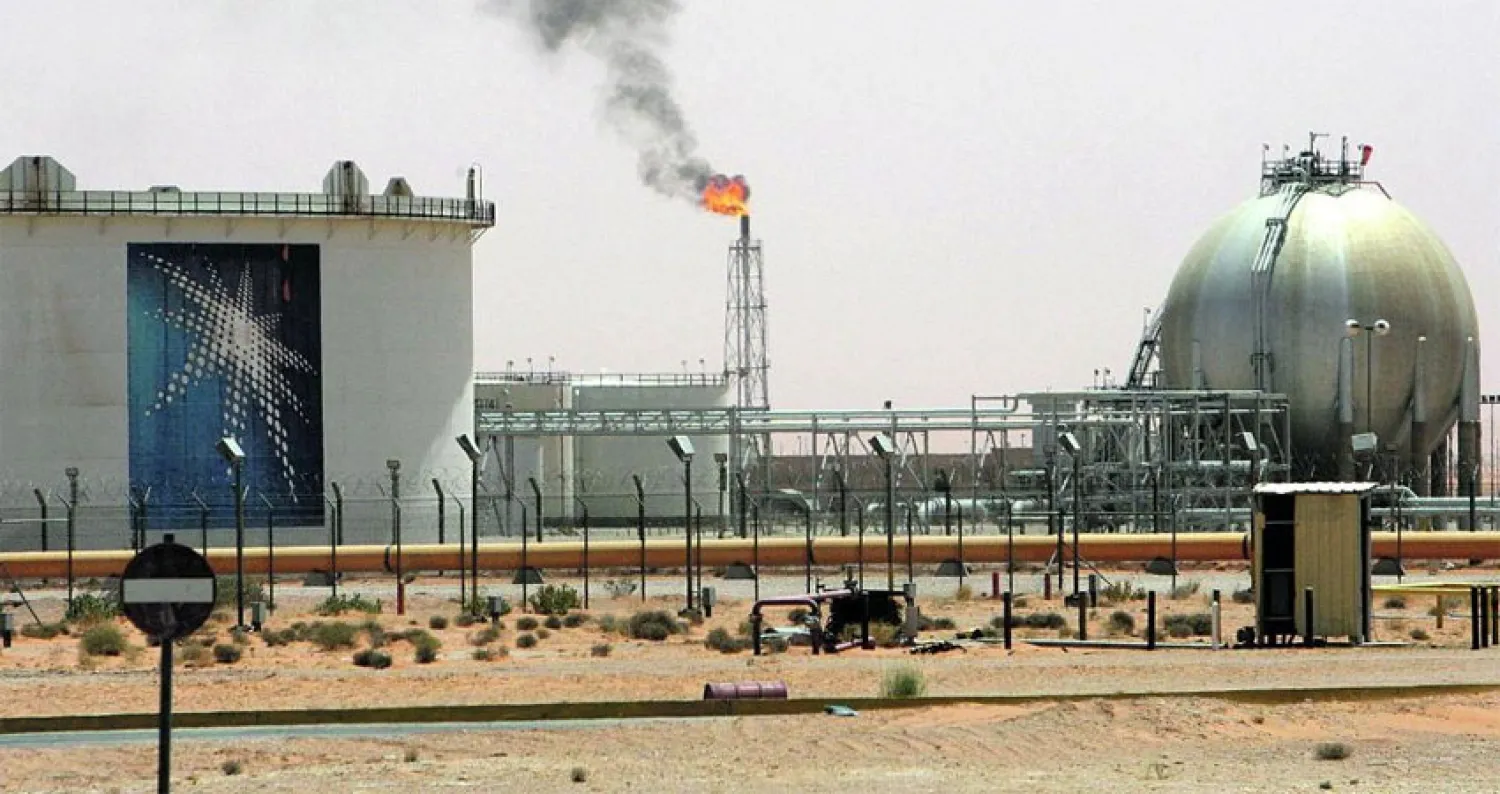
Saudi Oil Exports Dip to Four-Month Low, Fueling Market Uncertainty
RIYADH – Saudi crude oil exports experienced a important decline in July 2025, falling to 5.994 million barrels per day – the lowest level in four months, according to data released today by the joint data initiative of organizations (Judy). This represents a decrease from 6.141 million barrels per day in June.
The reduction in exports coincides with a drop in overall crude oil production within the Kingdom, which reached 9.201 million barrels per day in July, down from 9.752 million barrels per day the previous month, as reported by Reuters. Together, Saudi refineries increased crude consumption by 10%, reaching 2.978 million barrels per day compared to 2.703 million barrels per day in june. Direct crude oil burning decreased by 674 thousand barrels per day to 608 thousand barrels per day.
Saudi Arabia, a leading member of OPEC, provides monthly export figures to the “Judy” initiative, contributing to clarity in global oil market data.
The decline in Saudi output occurs as eight members of the “OPEC+” coalition recently agreed to a smaller increase in oil production – 137 thousand barrels per day starting in october - a substantial reduction from the 555 thousand barrels per day increase seen in September and August, and the 411 thousand barrels per day increase in july and June. The eight nations involved in the agreement are Saudi Arabia, Russia, Iraq, the Emirates, Kuwait, Kazakhstan, Algeria, and the Sultanate of Oman.
Looking ahead, the International Energy Agency anticipates a rapid rise in global oil supply throughout 2025, possibly leading to a surplus in 2026, driven by increased production from OPEC+ members and non-member countries. This evolving supply landscape is being closely monitored by investors and policymakers within the oil sector,raising questions about future market dynamics and potential shifts in global energy strategies.
