
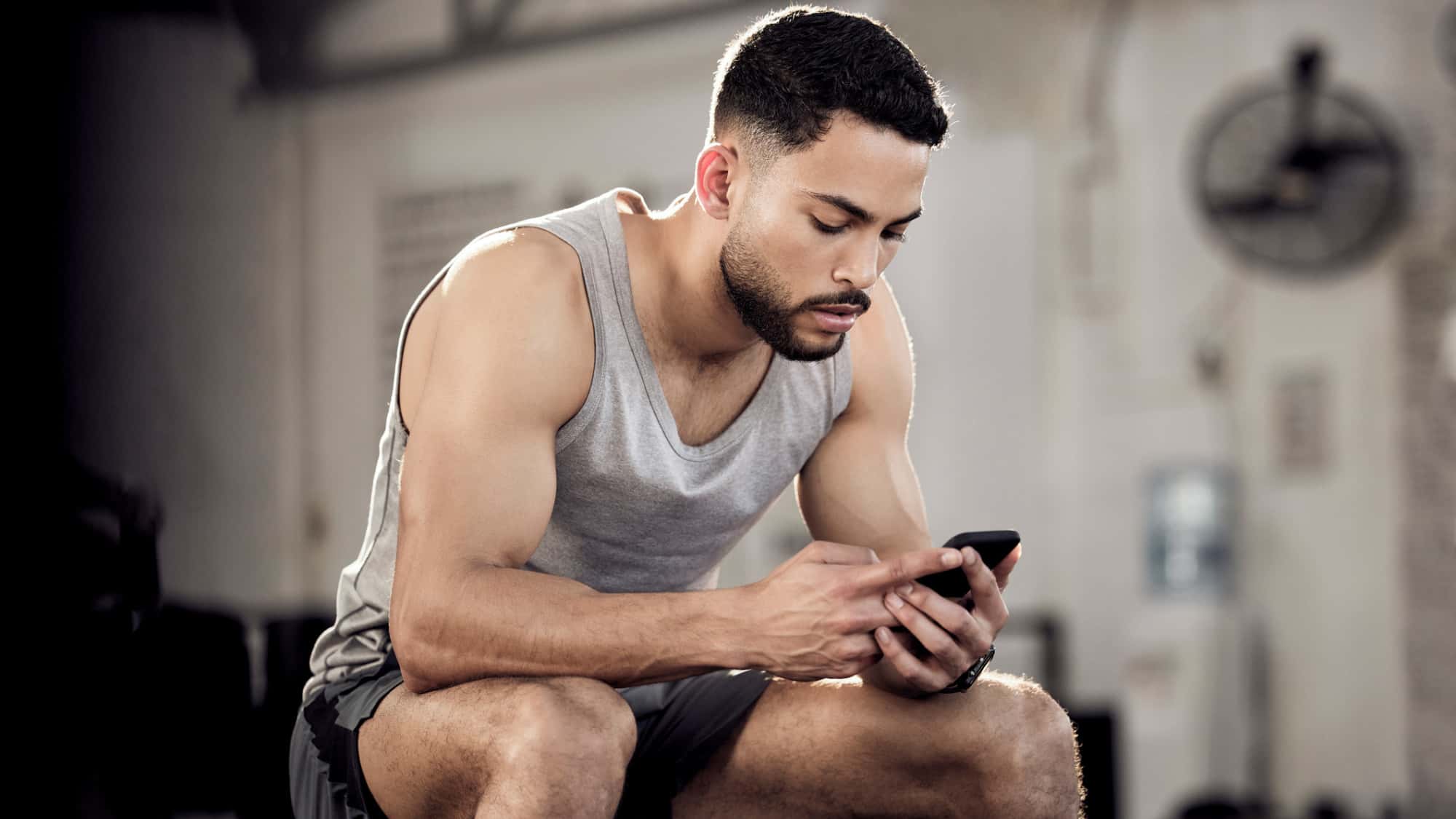
The Double-Edged Scroll: How Instagram Impacts Your Fitness Journey
Instagram is a ubiquitous source of fitness inspiration. From notable deadlift PRs to the latest HIIT routines, millions of men find motivation, tips, and training ideas within its feed. However, this readily available inspiration carries a hidden cost: the potential for damaging comparison and a distorted self-image. Its time to examine the complex relationship between social media and your fitness goals.
The benefits of fitness content on platforms like Instagram are clear. Influencers can be incredibly motivating, offering accessible training ideas and fostering a sense of community.Studies show that men who engage with fitness content often report increased motivation to exercise and prioritize their physical health, effectively turning social media into a digital training partner.
However, research published in Body Image demonstrates a notable downside. Men who frequently view muscular physiques on Instagram report higher levels of body dissatisfaction, regardless of their own fitness level. This constant exposure to idealized bodies fuels pressure, encourages excessive self-monitoring, and can even contribute to unhealthy behaviors related to diet and supplementation.
A crucial element to remember is the curated nature of online content. Images are often meticulously crafted using lighting, filters, and post-processing techniques. Many fitness influencers dedicate their lives to training, optimizing their nutrition, recovery, and content creation - a lifestyle unattainable and unnecessary for the average individual. The standard presented is often unrealistic and shouldn’t be viewed as a benchmark for personal progress.
Furthermore, the platform itself can subtly shift your focus. Social media activates the brain’s reward system,releasing dopamine with each like and comment. While this can be motivating, relying on external validation for your training can erode intrinsic motivation, turning exercise into a performance for an audience rather than a personal pursuit.
So, how can you navigate Instagram’s fitness landscape healthily? Consider these strategies:
* Curate Your Feed: Follow accounts that prioritize education and genuine inspiration, rather than those that promote unrealistic ideals.
* Embrace Realism: Recognize that most images are carefully constructed and don’t reflect everyday reality.
* Focus on Self-Enhancement: Track your own progress using apps or a training journal, comparing yourself to your past self, not others.
* disconnect to Reconnect: Dedicate training sessions to the experiance itself,free from the pressure of capturing content for social media. Your workout is valuable regardless of likes or views.
* Prioritize Mental Wellbeing: If social media consistently induces stress or negativity, take a break, limit your screen time, or unfollow accounts that trigger those feelings.
Instagram can be a powerful tool for fitness motivation, or it can be detrimental to your self-perception. The key lies in mindful consumption. Are you using social media as a source of inspiration, or as a measuring stick? Conscious engagement unlocks the benefits of community and information, while constant comparison risks spiraling into a toxic cycle.Ultimately, the most effective path to fitness is to train for yourself – not for the feed.
