
Western Cars still Rolling in Russia Despite Sanctions: How Are They Getting There?
Moscow, Russia – despite sweeping international sanctions imposed following the conflict in Ukraine, sales of European, American, Japanese, and Korean vehicles in Russia haven’t just stopped – they’re surprisingly growing. New data from automotive specialist Jato Dynamics, reported by Motor, reveals a complex and evolving automotive landscape in the country.
When major Western automakers like Toyota, Hyundai, Kia, Volkswagen, and Renault exited the Russian market following the outbreak of war, they left behind established infrastructure and production facilities. This created a vacuum quickly filled by Chinese manufacturers, who now dominate the Russian market.They’ve even secured agreements to produce models under recognizable Russian brands, such as Moskvitch.
According to recent figures from the Russian Traffic Safety Directorate (GIBDD), chinese automakers now control a commanding 56% of the Russian car market.Combined with domestic Russian brands, which hold 34% of the share, they account for a staggering 90% of all new car sales.
But what accounts for the remaining 10%? the answer lies in a network of “parallel imports” and a resilient consumer demand for familiar brands.
Leading this surprising segment is Solaris, a Russian company now assembling Hyundai and Kia vehicles without official licensing at the former Hyundai factory in St. Petersburg. The factory is currently producing models based on the Hyundai Creta, Kia Rio, and Hyundai Accent, rebranded as the Solaris HC, KR, and HS respectively.
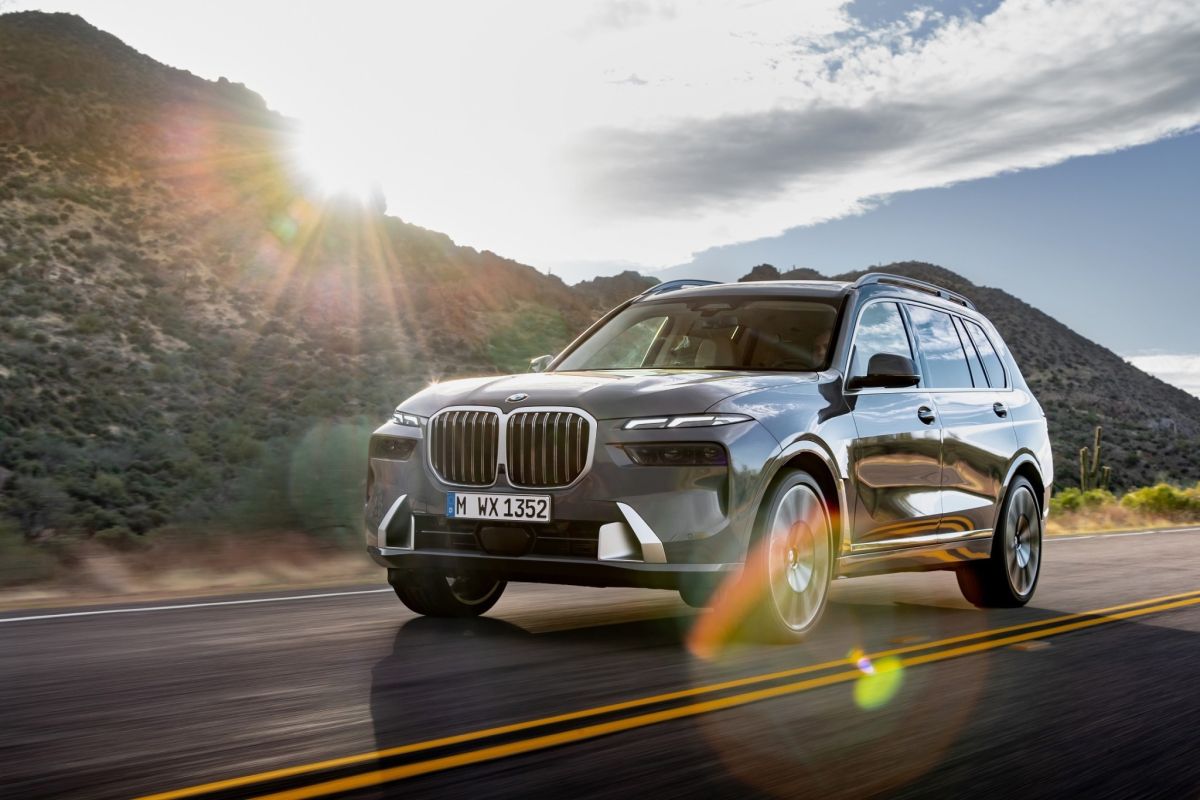
Solaris currently leads the pack with 10,500 units sold, followed by toyota (nearly 7,800 units, ranking 15th), BMW (5,300, 18th), Mercedes (4,000), Hyundai (3,200), and Kia (3,000).
This continued flow of Western vehicles is largely attributed to individuals importing cars directly from China, Korea, and Europe, utilizing Central Asian countries – notably Kazakhstan – as key transit hubs. In the first half of 2025 alone, approximately 39,000 Western-made vehicles were registered in Russia through these parallel import channels.
The situation highlights the challenges of enforcing sanctions and the ingenuity of both consumers and importers in circumventing them, demonstrating a surprising resilience in the demand for Western automotive brands within the Russian market.
Keywords: Russia, car sales, sanctions, automotive industry, China, parallel imports, Hyundai, Kia, Toyota, BMW, mercedes, Jato Dynamics, GIBDD, solaris, Kazakhstan.
