
US Deepens security Ties with Philippines & Japan Amidst Rising Chinese Influence
WASHINGTON D.C. – A shifting strategic landscape in Asia, driven by China‘s growing military and economic power, is prompting the United States to bolster security cooperation with key allies, particularly the Philippines and Japan. While both nations require enhanced intelligence, surveillance, and reconnaissance (ISR) capabilities, the Philippines faces a more acute need for support, experts say, as it navigates escalating tensions in the South China Sea.
The need for advanced military technologies is becoming increasingly critical for these Pacific partners. Both the Philippines and Japan require access to space-based and over-the-horizon ISR systems. The Philippines, specifically, lacks its own dedicated maritime patrol aircraft like the P-8 and Airborne Warning and Control System (AWACS) aircraft, necessitating reliance on U.S.support.A notable step forward in this cooperation came last year with the finalization of a General Security of Military Facts Agreement (GSOMIA) between the U.S. and the Philippines, after two decades of negotiation. This agreement allows for the sharing of highly classified and near-real-time data with Manila.
Beyond ISR, the Philippines also requires assistance with strike capabilities.While the nation has acquired a battery of BrahMos intermediate-range cruise missiles from India, their limited range – approximately 150-200 miles - necessitates reliance on longer-range systems like U.S.Tomahawk cruise missiles, which have been rotating through the Philippines for joint exercises over the past two years.
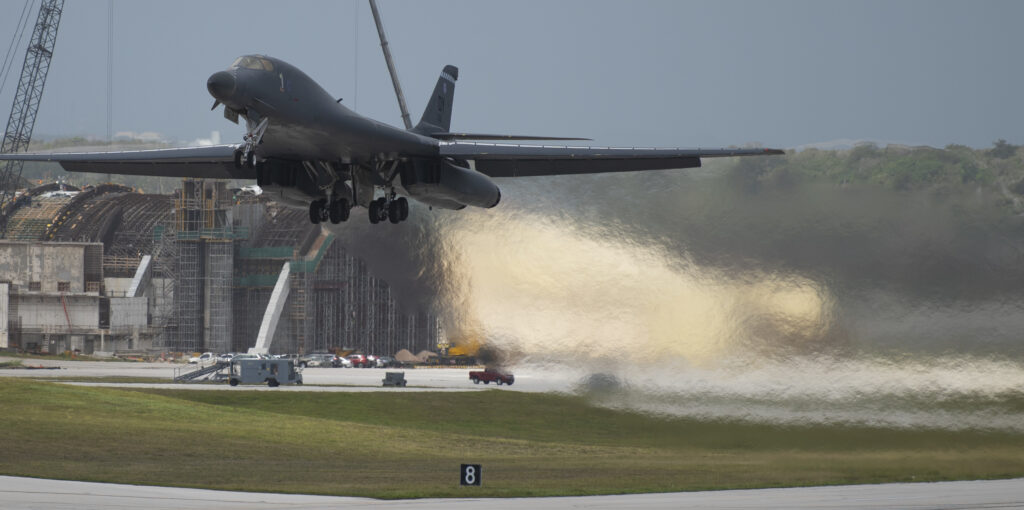
Ultimately, both allies depend on the U.S. for deterrence, particularly the U.S. surface fleet and strategic bomber fleet, in the event of escalation with China. “They don’t have anything they could throw against the Chinese if this escalated,” a source noted.
However, experts emphasize that military hardware is only part of the equation. A crucial element for securing continued Philippine cooperation, particularly regarding access during a potential taiwan crisis, is a firm and repeated U.S. political commitment to intervene if China uses force against Filipino forces in the South China Sea. “Without that, the Filipinos are not going to say, you can have access to the Philippines through a Taiwan crisis, and you don’t have to defend us if we’re attacked in the South China Sea.Those two are intrinsically linked in a way that the Americans sometimes have trouble remembering,” the source explained, referencing the request of Article 5 of the U.S.-Philippines Mutual Defense Treaty even in situations considered secondary or tertiary concerns.
