
The Erosion of Free Movement within the EU
Recent developments signal a significant shift in European Union policy, with member states increasingly prioritizing national border control over the foundational principle of free movement enshrined in the Schengen Area. This change is driven by concerns over migration and security, leading to a resurgence of internal border checks and stricter external border controls, casting doubt on the future of Schengen.
Germany, citing the need to safeguard its borders, has implemented measures allowing Federal Police to deny entry to individuals lacking proper documentation, even to asylum seekers. Friedrich Merz, a key figure in German politics, stated, “Protecting the external borders of Europe is not sufficiently guaranteed,” justifying the renewed checks.This move has strained relations with Poland, which itself introduced temporary border controls last month following the election of conservative Carol Narotsky, whose campaign slogan was “Frist Poland, First Poles.” Far-right activists have formed “Civil Patrols” along the Polish-German border, actively protesting and attempting to obstruct German authorities’ efforts to return migrants.
The situation highlights a growing divergence within the EU, reminiscent of the concerns voiced by former British Prime Minister David Cameron in 2015 and 2016. His requests for modest restrictions on free movement were rejected by Brussels, ultimately contributing to the UK’s decision to leave the EU. The current wave of border checks goes significantly further than Cameron’s initial proposals, and is contributing to a “collapse of trust” that “make[s] the future of the Schengen zone doubtful.”
The EU is responding with plans to bolster external border security. Beginning October 12th,a new “entry and exit system” will require third-country citizens to provide fingerprints and photos upon border crossing. By the end of 2024, a “European Information System and Travel Authorization” will mandate pre-travel authorization for entry.
While many of the current temporary border checks are slated to expire in the coming months, eliminating them is considered politically risky. This suggests a pragmatic shift where national political considerations are taking precedence over the ideals of free movement. The resulting dynamic sees individual nations acting independently in the absence of a unified EU migration strategy.Ironically, the UK, which left the EU partly to regain border control, is experiencing a rise in illegal immigration. While illegal crossings to the EU decreased by 18 percent in the first seven months of this year, attempts and prosperous illegal transitions to the UK increased by 26 percent compared to last year.
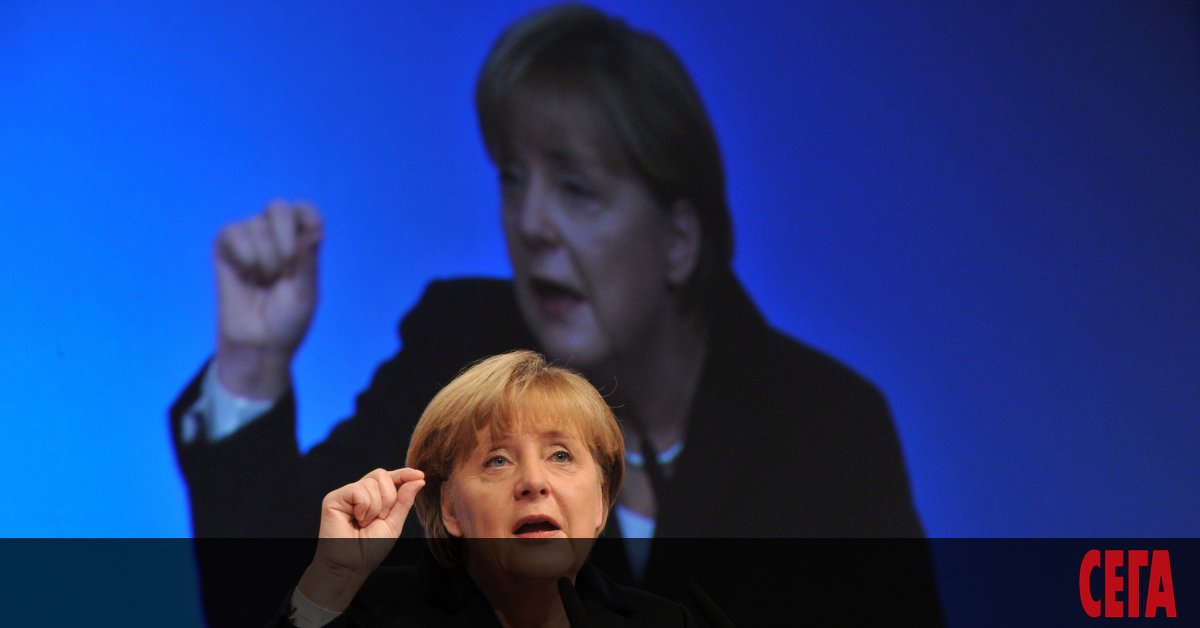
The article concludes with a pessimistic outlook, suggesting that European leaders will prioritize their political survival over the principles of EU integration. As Angela Merkel stated, “I have always advocated for European solutions. Otherwise we can see Europe destroyed,” but increasingly, leaders are focused on safeguarding their own nations, even if it means dismantling aspects of the European project.
