
Indonesia Weighs Medical Aid for Gaza, Balancing Humanitarian Concerns and Geopolitical Realities
Table of Contents
Jakarta – Indonesia is actively evaluating a proposal to offer medical treatment to two thousand individuals wounded in the ongoing conflict in Gaza, initiating a series of high-level discussions to address the logistical, legal, and foreign policy ramifications of such a sensitive undertaking. The potential aid, announced earlier this month, underscores Indonesia’s longstanding support for the palestinian cause and its commitment to humanitarian relief efforts.
Galang Island as a Potential Site
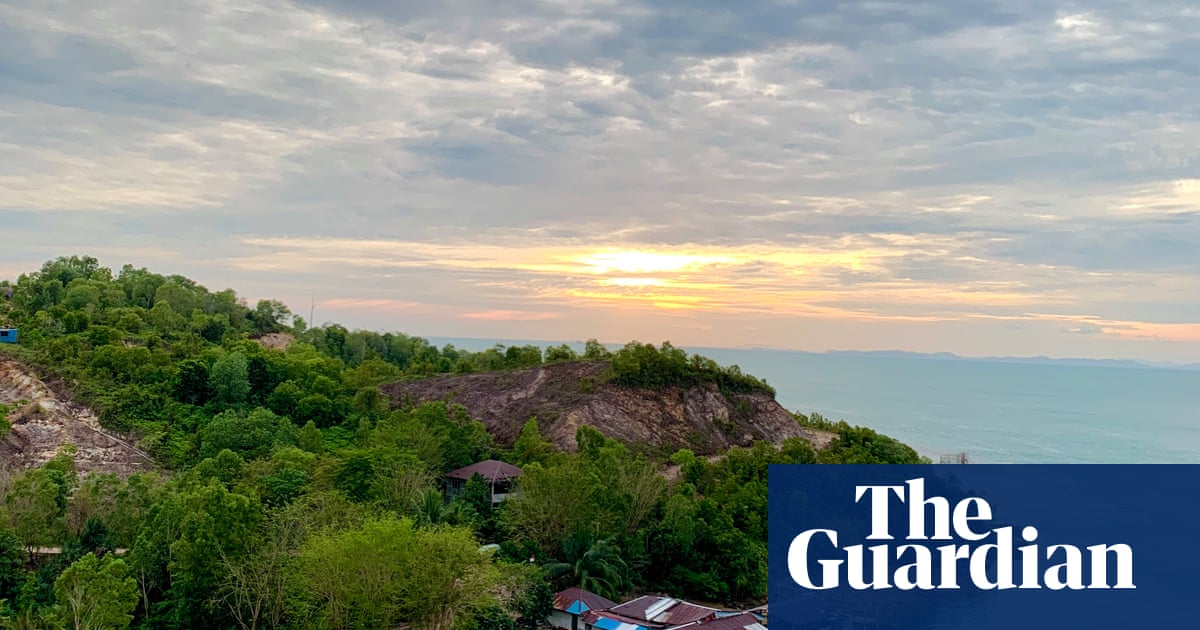
The Indonesian government initially identified Galang Island, a former refugee camp south of Singapore, as a possible location for providing temporary medical assistance. The island, which previously housed Vietnamese refugees and more recently served as a pandemic hospital, offers existing infrastructure that could be repurposed for this purpose.
Did You Know? Galang Island has a history of providing refuge for displaced populations, dating back to the late 1970s and early 1980s.
However, officials emphasize that Galang Island remains just one option under consideration. Alternative sites in west Java and Central Java, chosen for their proximity to major hospitals and logistical networks, are also being assessed. The government is also exploring the possibility of utilizing military hospitals in Jakarta and a potential location in Jordan,a nation with which Indonesian President Prabowo Subianto maintains a strong relationship.
Inter-Ministerial Coordination and Strategic Implications
The plan’s complexity has prompted extensive inter-ministerial collaboration, involving the coordinating Ministry for Security, the Ministry of Health, and the Ministry of Foreign Affairs. Dave Laksono,deputy chair of the parliament’s Commission I-responsible for overseeing defense and foreign affairs-revealed that discussions have centered on logistical feasibility,medical preparedness,and the necessary legal frameworks. Commission I has also been briefed on the strategic implications for Indonesia’s foreign policy and regional stability.
“These discussions have focused on logistical feasibility, medical readiness, and legal frameworks,” Laksono stated.”Commission I has also been briefed on the strategic implications, especially regarding Indonesia’s foreign policy posture and regional stability.”
the proposal has sparked debate within Indonesia,a nation with a majority Muslim population and no formal diplomatic ties with Israel. Some Islamic leaders have voiced concerns,alleging potential deception by Israel and demanding assurances regarding the eventual return of the Palestinian patients. Abdul Kadir Jailani, the Director General for Asian, Pacific and African Affairs at Indonesia’s Ministry of Foreign Affairs, acknowledged these concerns.
“One of the issues is how to make sure the right to return of the Palestinians can be respected becuase we know that many are worried that this kind of policy can be interpreted in other ways,” Jailani explained. “So we have to make sure it will be consistent with the principle of international humanitarian law, and in particular how to respect the right to return of the Palestinians.”
The Indonesian government is committed to securing the approval and support of relevant stakeholders, including Palestinian authorities and regional countries, before proceeding.
Pro Tip: Understanding the historical context of Indonesia’s relationship with Palestine is crucial to grasping the sensitivity surrounding this initiative.
International Context and Allegations
Indonesia’s humanitarian efforts extend beyond potential medical care. The nation recently completed its second airdrop of aid to Gaza,coordinated with neighboring Jordan. Furthermore, reports surfaced in July, as detailed by Axios, alleging that Israel’s Mossad intelligence agency sought support from the United States to encourage countries, including Indonesia, to accept Palestinian evacuees from Gaza. The Indonesian government has not directly confirmed these reports.
| Key Decision | Date | Details |
|---|---|---|
| Initial Proclamation of Aid | Early August 2025 | Indonesia pledges temporary medical assistance to 2,000 Palestinians from Gaza. |
| Inter-Ministerial Discussions Begin | Mid-August 2025 | Key ministries convene to assess logistical, legal, and foreign policy implications. |
| Galang Island Identified | Early August 2025 | The uninhabited island is proposed as a potential site for medical facilities. |
Despite the potential for controversy, public criticism of the plan within Indonesia has been relatively subdued. Political analyst Kennedy Muslim attributes this to the current media landscape, where other issues are dominating headlines. Parliament member Laksono reiterated that any acceptance of Palestinians from Gaza would be strictly temporary, with coordination with organizations like UNRWA and the ICRC to ensure proper documentation and repatriation protocols.
“Our objective is to provide care, not resettlement, and to support their eventual return once conditions in Gaza allow,” Laksono affirmed. “This is a delicate undertaking, and we are fully aware of the geopolitical sensitivities involved.”
What challenges do you foresee in coordinating international humanitarian aid in conflict zones? How might Indonesia’s role influence regional dynamics?
Indonesia’s Humanitarian Tradition
Indonesia has a long-standing tradition of providing humanitarian assistance,rooted in its cultural values and religious beliefs. The nation has consistently responded to international crises, offering aid and support to those in need. This commitment is further solidified by indonesia’s active participation in international organizations dedicated to humanitarian relief. The country’s geographic location and its role within ASEAN also position it as a key player in regional disaster response and humanitarian efforts.
Frequently Asked Questions about Indonesia’s Gaza Aid Plan
- What is the primary goal of Indonesia’s aid plan for Gaza? The primary goal is to provide temporary medical care to wounded Palestinians.
- Is Indonesia considering permanent resettlement of Palestinians? No, Indonesian officials have repeatedly stated that the plan focuses on temporary medical assistance and eventual repatriation.
- What is the meaning of Galang Island? Galang Island has a history of serving as a humanitarian refuge, previously housing Vietnamese refugees and a pandemic hospital.
- What are the main concerns surrounding this aid plan? Concerns revolve around logistical challenges, legal frameworks, and potential political sensitivities.
- What role is Jordan playing in this effort? Jordan is providing support and coordination for Indonesia’s humanitarian airdrops to gaza.
We hope this report provides valuable insight into a developing story. Share this article with your network to keep the conversation going, and subscribe to our newsletter for the latest updates on global events.
