
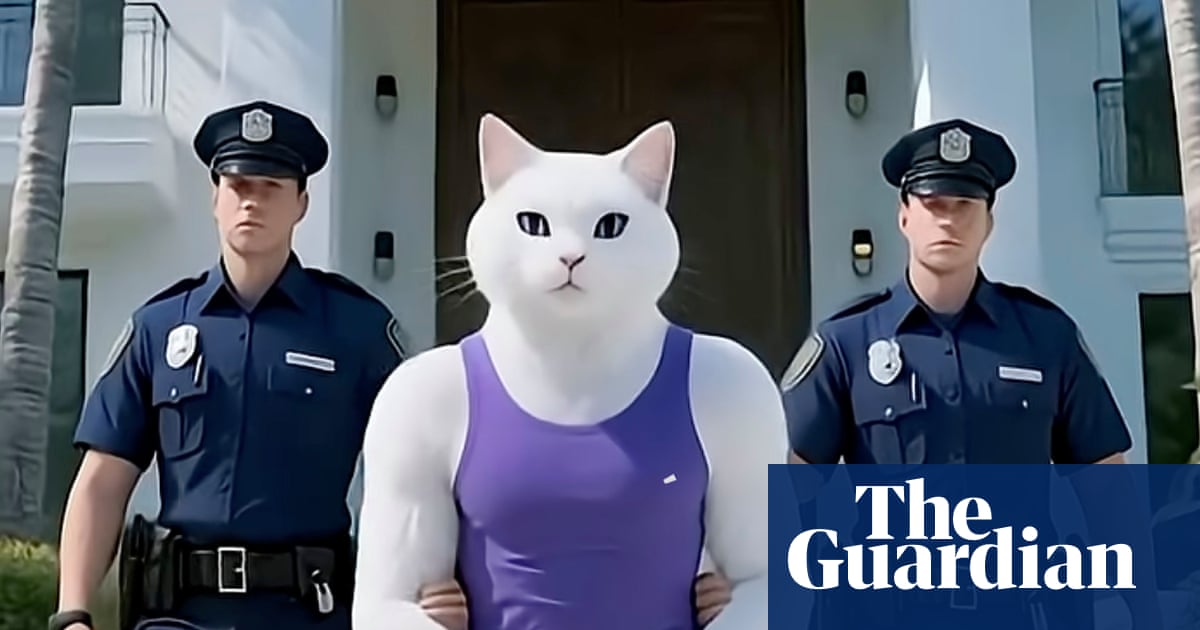
YouTube Cracks Down on AI-Generated “Slop” as Platforms Grapple with content Flood
MOUNTAIN VIEW, CA – November 27, 2024 – YouTube has begun removing channels and demonetizing content creators found to be flooding the platform with low-quality, AI-generated videos, responding to growing concerns about the impact of artificial intelligence on online content ecosystems. the action comes after inquiries from The Guardian highlighted a surge in channels dedicated to AI-produced “shorts,” some of which rapidly gained traction in June’s fastest-growing lists.
A YouTube spokesperson confirmed the removal of three channels and the blocking of advertising revenue for two others, though the specific channel names were not disclosed. This move signals a growing awareness within Google,YouTube’s parent company,of the potential for AI to degrade user experience and undermine the value of the platform.
The Rise of “Enshittification” and the AI Content Wave
The issue extends beyond YouTube. instagram Reels and TikTok are also experiencing a deluge of AI-generated content, raising questions about the future of online creativity and the quality of information available to users. The phenomenon has been dubbed “enshittification” by author Cory Doctorow, who in 2022 described it as the cyclical decline of online platforms as they prioritize profit over user experience.
“AI slop is flooding the internet with content that essentially is garbage,” explains Dr. Akhil Bhardwaj,an associate professor at the University of Bath’s school of management. “This is ruining online communities on Pinterest, competing for revenue with artists on Spotify and flooding YouTube with poor quality content.” He argues that removing the financial incentive – monetization – is a key step in regulating the proliferation of this low-effort content.
The current wave of AI video generation is largely powered by accessible tools like Pika Labs, RunwayML, and Kaiber, which allow users to create videos from text prompts with relative ease and low cost. These tools have lowered the barrier to entry for content creation, but have also led to a significant increase in volume, much of which lacks originality or artistic merit.
Ryan Broderick, author of the Garbage Day newsletter, characterized YouTube as a “dumping ground for disturbing, soulless AI shorts,” highlighting the unsettling nature of some of the generated content.
Examples of Viral AI Content & Platform Responses
The types of AI videos gaining traction are diverse. On Instagram,a Reel featuring celebrities’ faces superimposed onto animal bodies – dubbed “Rophant” (Dwayne Johnson/elephant) and “Emilla” (Eminem/gorilla) – has garnered 3.7 million views. TikTok has seen viral success with videos like a fictionalized Abraham lincoln vlogging about a trip to the opera and a humorous depiction of cats competing in olympic diving. while some of these examples lean into playful internet humor, the sheer volume of AI-generated content is raising concerns.
both Instagram and TikTok state they require realistic AI-generated content to be labeled in this vrey way. The Guardian cross-referenced videos from the identified channels with Reality Defender, a deepfake detection service based in San Francisco, California, to verify the presence of AI. Reality Defender utilizes a proprietary algorithm analyzing video for inconsistencies and artifacts indicative of AI generation.
Looking Ahead: Regulation and the future of Online Content
The current situation presents a significant challenge for social media platforms. while complete eradication of AI-generated content is likely unachievable, and arguably undesirable given the potential for creative applications, the need for effective regulation is becoming increasingly apparent.
Beyond demonetization, potential solutions being discussed include:
Enhanced AI Detection: Investing in more sophisticated AI detection tools to accurately identify and label AI-generated content.
Algorithm Adjustments: Modifying platform algorithms to prioritize original,high-quality content over AI-generated “slop.”
Clarity Requirements: Mandating clear and conspicuous labeling of all AI-generated content, allowing users to make informed decisions about what they consume. Copyright Considerations: Addressing the complex legal questions surrounding copyright and ownership of AI-generated works.
The debate over AI-generated content is likely to intensify in the coming months as the technology continues to evolve and its impact on the digital landscape becomes more pronounced. The actions taken by YouTube, Instagram, and tiktok will serve as a crucial test case for how platforms navigate this new era of content creation.
