
Poland-Germany Relations Face Early Test as Far-Right Victory Complicates Repair Efforts
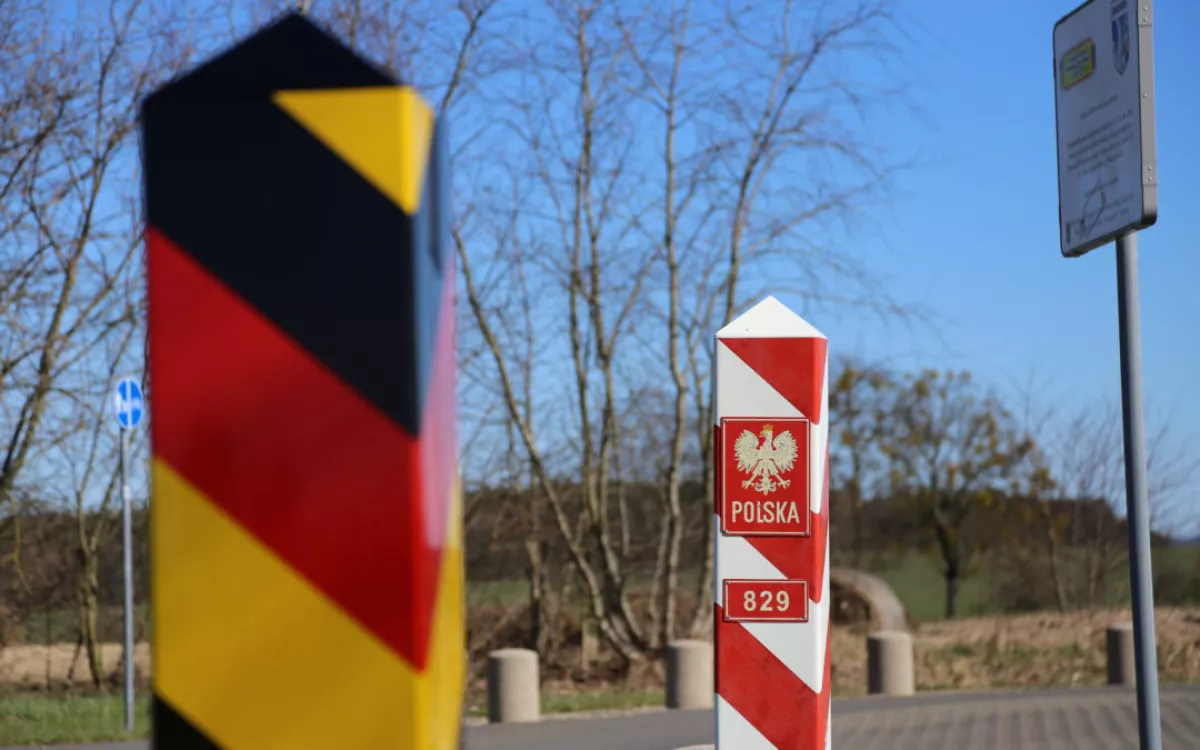
Berlin/Warsaw – A recent victory by a far-right candidate in Poland, Karol Nawrocki, has thrown into question ongoing efforts too mend the historically fraught relationship between Germany and Poland, just as a new German government under Chancellor Friedrich Merz seeks closer cooperation. The advancement presents a meaningful challenge to German efforts to strengthen ties with Warsaw, a key partner in bolstering European security amid growing concerns over Russia.
For decades, the relationship between Europe’s two largest economies on its east-west axis has been burdened by the legacy of World War II and unresolved issues of reparations. Despite both nations being staunch supporters of Ukraine and major defense spenders, past grievances continue to fuel nationalist sentiment in Poland. Berlin’s refusal to address Polish demands for further war reparations remains a potent rallying cry for the nationalist Law and Justice (PiS) party, which supported Nawrocki’s candidacy.
The current push for improved relations is spearheaded by German Chancellor Merz, who signaled the importance of Warsaw by visiting on his first day in office and afterward traveling with Polish Prime Minister Donald tusk, along with leaders from France and the United Kingdom, to Kyiv. However, the unexpected election result has complicated the task of rebuilding trust.
German diplomat stefan Abraham, tasked with coordinating the relationship repair, reportedly expressed initial concern, stating the outcome would be “a challenge.” His role is critical, as a stable Poland-Germany partnership is considered vital to europe’s security framework.
Recent events have already tested the nascent thaw.Poland’s foreign ministry dismissed Abraham’s counterpart in August and eliminated the position following reports he had considered a seminar on property left by Germans expelled after WWII. More recently, Germany’s decision to implement border controls to stem the flow of asylum seekers has further strained relations. False claims circulated alleging German police were pushing migrants into Poland, prompting Warsaw to institute its own border checks – a rocky start to Merz’s attempt at a “reset.”
Despite the tensions, Abraham maintains that the German border measures actually “align more closely with Poland’s position” on migration, and that Polish officials have demonstrated “a lot of understanding.” he emphasizes the core mission: “The most important thing is to restore trust.”
The new Polish government, backed by Prime Minister Tusk, is reportedly demonstrating a greater willingness to integrate with Europe than its predecessor. However, navigating the historical sensitivities and political risks associated with improving relations with Germany will be a delicate balancing act for both nations. As Jan Tombiński, Poland’s ambassador in Berlin, stated, both countries “bear a great duty for the future of the EU and our societies.” Failure to strengthen this partnership coudl undermine broader EU efforts to enhance military coordination in the face of the escalating Russian threat.
(This article is based on reporting from Euractiv: https://www.euractiv.com/section/politics/news/warsaw-woes-how-germany-wants-to-fix-its-toxic-relationship-with-poland/)
