
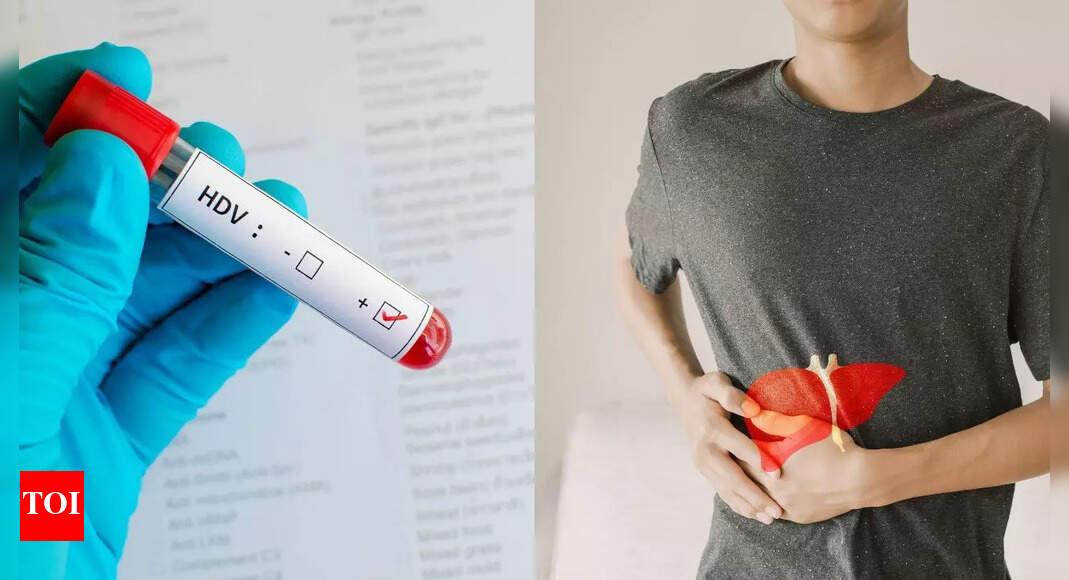
Hepatitis D Now a Classified Human Carcinogen
Global Health Bodies Elevate Virus’s Cancer Link
The World Health Organization (WHO) and the International Agency for Research on Cancer (IARC) have officially declared the Hepatitis D virus (HDV) carcinogenic to humans. This critical reclassification positions HDV alongside Hepatitis B and C as a significant contributor to liver cancer, underscoring the urgent need for greater awareness and improved interventions.
Understanding the Stealthy Threat of HDV
Hepatitis D is a unique pathogen that cannot infect individuals on its own. It requires the presence of the Hepatitis B virus (HBV) to replicate, hijacking the HBV infection process. This co-infection leads to more aggressive liver disease and accelerated damage, making early detection crucial.
Symptoms of HDV infection often mimic other liver ailments and can be easily missed. Common signs include profound fatigue, nausea, loss of appetite, abdominal discomfort, dark urine, jaundice (yellowing of the skin and eyes), unexplained weight loss, and fever. Due to these overlapping symptoms, many delay seeking medical care, allowing for potentially irreversible liver damage.
Transmission Routes and Risk Factors
HDV primarily spreads through direct contact with infected blood or bodily fluids. This includes unsafe medical practices, sharing contaminated needles and syringes, unprotected sexual contact, and less commonly, mother-to-child transmission. Anyone with chronic Hepatitis B is therefore at risk of contracting HDV.
Populations with elevated risk include individuals residing in regions with high HBV prevalence, such as parts of Asia, Africa, and the Amazon Basin. Intravenous drug users who share needles, patients on hemodialysis, those undergoing frequent blood transfusions, and individuals with multiple sexual partners also face a higher likelihood of infection. Infants born to mothers coinfected with HBV and HDV are also vulnerable.
The Devastating Impact of Coinfection
Coinfection with HDV significantly worsens liver health outcomes. Research indicates that HDV can increase the risk of liver cancer by two to six times compared to HBV infection alone. Furthermore, up to 75% of individuals with chronic HDV infection develop liver cirrhosis within 15 years, a rate substantially higher than in HBV-only cases. HDV accelerates liver inflammation and damage, escalating the risk of severe complications and mortality.
Globally, over 300 million people are affected by Hepatitis B, C, or D, leading to approximately 1.3 million deaths annually, primarily from liver cirrhosis and cancer. An estimated 5% of chronic HBV carriers, totaling about 12 million people worldwide, are coinfected with HDV, highlighting the scale of this public health challenge.
According to the World Health Organization, global efforts have made strides in Hepatitis B prevention. As of 2025, 129 countries now test pregnant women for Hepatitis B, an increase from 106 in the previous year. Additionally, 147 countries provide the essential Hepatitis B birth dose vaccine, up from 138 in 2022. These advancements are vital in halting HBV, and consequently HDV, transmission.
Advancing Treatment and Prevention Strategies
While chronic HBV can be managed with long-term antiviral therapy, specific treatments for HDV are evolving. Bulevirtide has been approved in Europe for its role in blocking HDV entry into liver cells, often used alongside pegylated interferon for improved results. Pegylated interferon may also be used to suppress HDV replication, though its effectiveness varies.
Currently, there is no specific vaccine for Hepatitis D. Prevention hinges on widespread Hepatitis B vaccination, which offers protection against both HBV and HDV. To meet the WHO’s hepatitis elimination goals by 2030, health authorities are urged to scale up HBV vaccination coverage, ensure universal testing for HDV among HBV-positive individuals, and improve access to novel HDV therapies.
Strengthening healthcare infrastructure, enhancing data systems, and actively combating the stigma associated with viral hepatitis are also crucial. These comprehensive measures are projected to save 2.8 million lives and prevent 9.8 million new infections by the end of the decade.
