
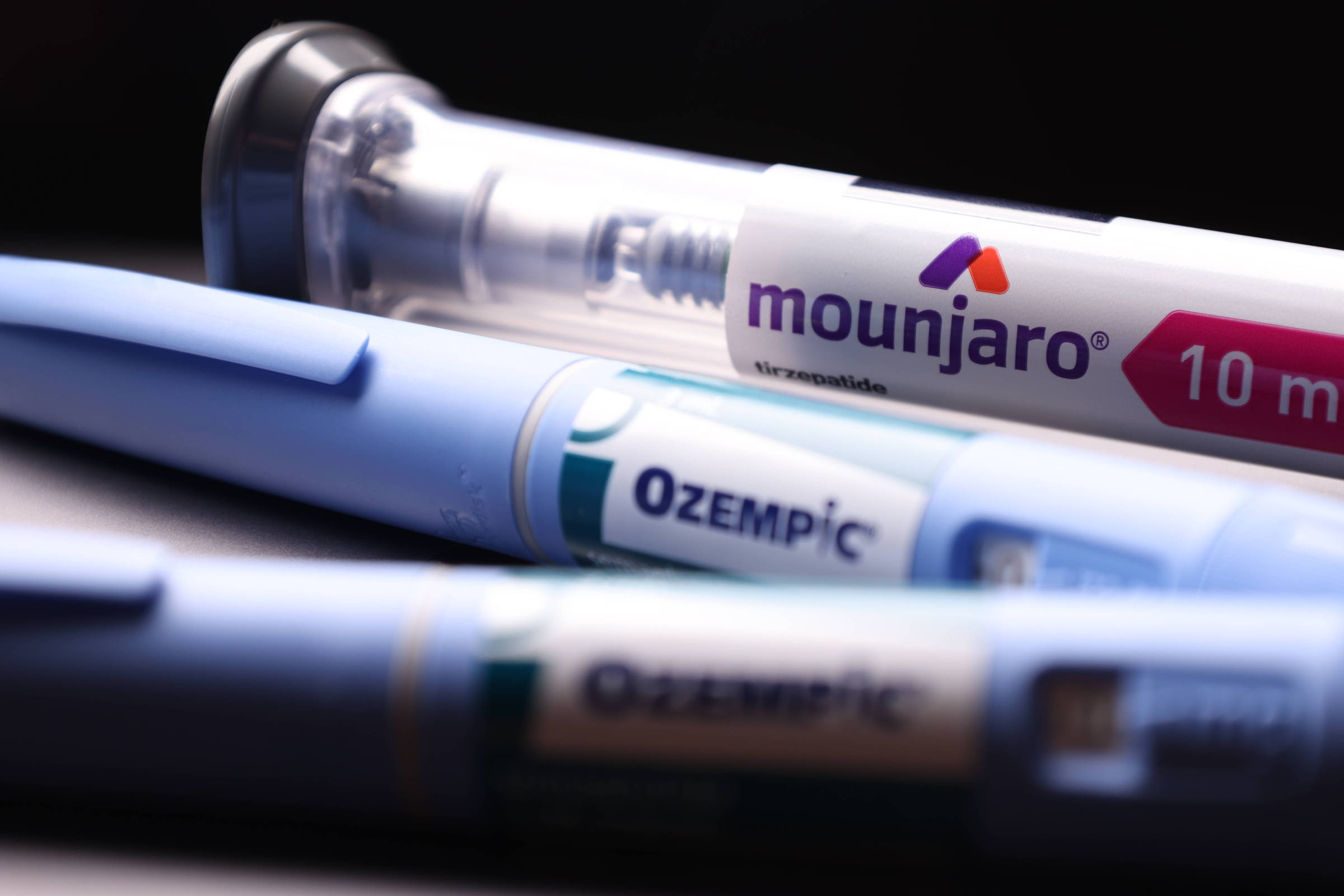
Novo Nordisk’s semaglutide shows promise in treating obesity-related conditions, while Eli Lilly’s tirzepatide faces scrutiny.
The pharmaceutical landscape for obesity treatment is evolving, wiht both Novo Nordisk and Eli Lilly making meaningful strides. Novo Nordisk’s semaglutide, known for its efficacy in weight management, is now being explored for its potential to alleviate symptoms of heart failure in individuals with obesity. While Eli Lilly had initially planned a study of approximately 700 participants for its drug tirzepatide in this area, the company withdrew its US approval request in May.
In a significant development, the European Medicines Agency (EMA) endorsed the use of Novo Nordisk’s semaglutide in September 2024 for managing heart failure symptoms in obese patients.
Chronic Kidney Disease
Table of Contents
Novo Nordisk’s Ozempic (semaglutide) has received US approval for its ability to reduce the risk of renal failure, disease progression, and cardiovascular death in diabetic patients with chronic kidney disease.
Eli Lilly’s tirzepatide is currently undergoing an intermediate phase study involving patients with chronic kidney disease and obesity. This study, which aims to enroll up to 140 participants, is scheduled for completion next year.
Liver Disease
Novo Nordisk is conducting an advanced phase trial for semaglutide in patients diagnosed with non-alcoholic steatohepatitis (NASH), a prevalent and challenging form of fatty liver disease. The study, expected to conclude in april 2029, will involve around 1,200 patients.
In a separate intermediate phase study for NASH (now also referred to as steatohepatitis associated with metabolic dysfunction, or MASH), Eli Lilly’s tirzepatide demonstrated notable results. After 52 weeks, up to 74% of patients treated with tirzepatide achieved disease remission without worsening hepatic fibrosis, compared to only 13% of patients receiving a placebo.
Neurological Disorders
Researchers at the Danish Center for Headache are investigating the efficacy of semaglutide in conjunction with a very low-calorie diet for the treatment of recent-onset idiopathic intracranial hypertension. This condition,often associated with obesity,involves an increase in blood pressure within the skull. the study, which included approximately 50 participants, is slated for completion in October 2025.
Sleep Apnea
In December 2024, the US Food and Drug Administration (FDA) approved Zepbound (tirzepatide) for the treatment of obstructive sleep apnea. This marks a significant milestone as it is indeed the first medication to directly address this common disorder, characterized by breathing interruptions during sleep.
