
Lawmakers Push for Social Media Safeguards for Youth
Bipartisan Effort Addresses Growing Concerns Over Adolescent Well-being
U.S. Senators are intensifying efforts to establish critical protections for young people navigating the complex landscape of social media. The focus is on implementing necessary “guardrails” to shield adolescents from prevalent online dangers.
Alarming Trends Spark Action
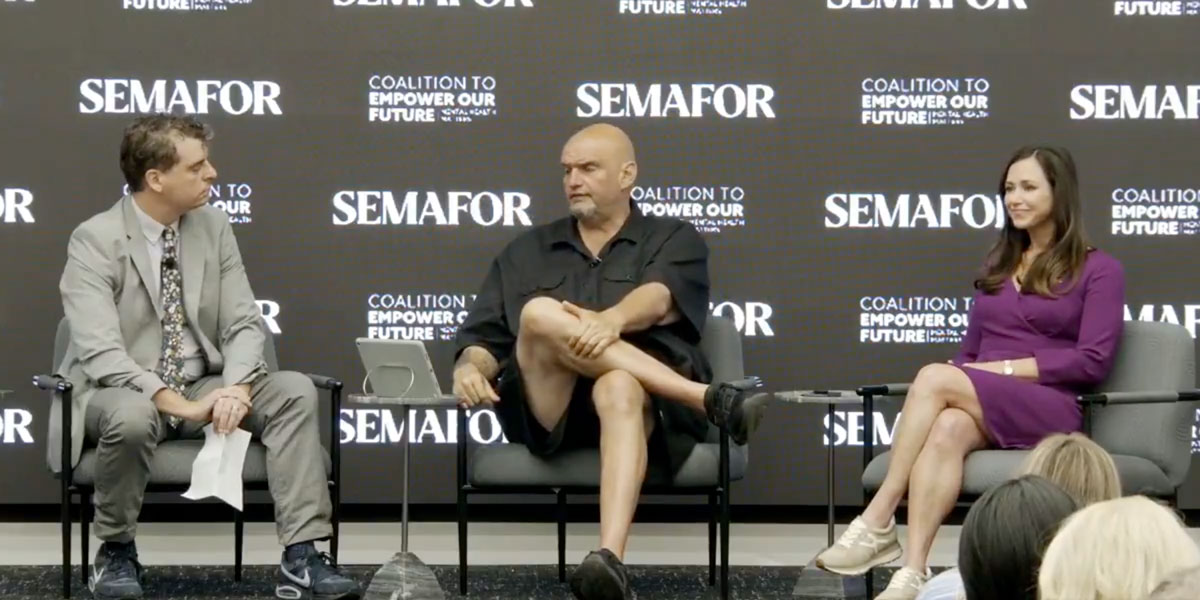
Senator Katie Britt, joined by Senator John Fetterman, highlighted the urgent need for action during a recent panel discussion. She emphasized the bipartisan consensus on addressing the challenges that have persisted for over two decades, noting how outdated previous online legislation is.
As a mom, I know how dangerous social media can be for our kids—the statistics are staggering. @SenFettermanPA and I believe that, like cigarettes and alcohol, social media needs warning labels that link to real help for our children and families. pic.twitter.com/8Pq5wu5XlS
– Senator Katie Boyd Britt (@skatatiebritt) July 16, 2025
Senator Britt articulated the shared parental concern driving legislative efforts. She stated,
I think we came to the table not as Democrats or Republicans, but truly as concerned parents that are looking at the data and then are also looking at what’s happening within our own homes or with our friends and realize the struggle that’s happening with young people.
This sentiment underscores a unified approach to a pressing societal issue.
Youth Mental Health Crisis Intensifies
Drawing on concerning data, Senator Britt detailed the escalating youth mental health crisis. She cited Centers for Disease Control and Prevention (CDC) statistics revealing stark realities: one in three high school girls considered suicide in the past year, with 25% developing a plan and 13% attempting it. For high school boys, 9% attempted suicide.
These figures, coupled with issues like algorithmic manipulation and sextortion, compel lawmakers to act. Senator Britt asserted,
I think John and I believe that doing nothing is not an option, that our kids deserve better. Putting up the proper guardrails, the proper safety nets to allow them to continue to explore. But to do so in a more responsible manner is incumbent on us as legislators.
This perspective highlights the responsibility legislators feel to protect younger generations.
Screen Time and Mental Health Link
Research consistently shows a significant correlation between social media usage and diminished mental health among children. Between 2019 and 2021, screen time for adolescents and pre-teens saw a substantial increase. Pre-teens averaged five hours and 33 minutes of screen use daily, while teenagers logged eight hours and 39 minutes.
A recent study by the Pew Research Center found that 95% of teens aged 13-17 report using YouTube, with TikTok and Instagram also being highly popular platforms among this demographic. This widespread engagement necessitates thoughtful regulation and parental guidance.
Urgent Call for Protective Measures
The push for social media warning labels, likened to those on tobacco and alcohol, aims to provide immediate resources for families struggling with the impact of these platforms. The bipartisan collaboration signifies a shared commitment to safeguarding the well-being of America’s youth in the digital age.
