
Trump Slaps 30% EU Tariffs, Igniting Trade War Fears
Brussels scrambles as new US duties threaten €1.7 trillion in commerce.
Former US President Donald Trump‘s latest economic decree, announced via Truth Social, has sent shockwaves through European capitals. A surprise 30% tariff on EU goods, effective August 1st, has prompted urgent weekend talks among leaders in Brussels, Paris, and Berlin.
Cautious Optimism Amidst Escalation
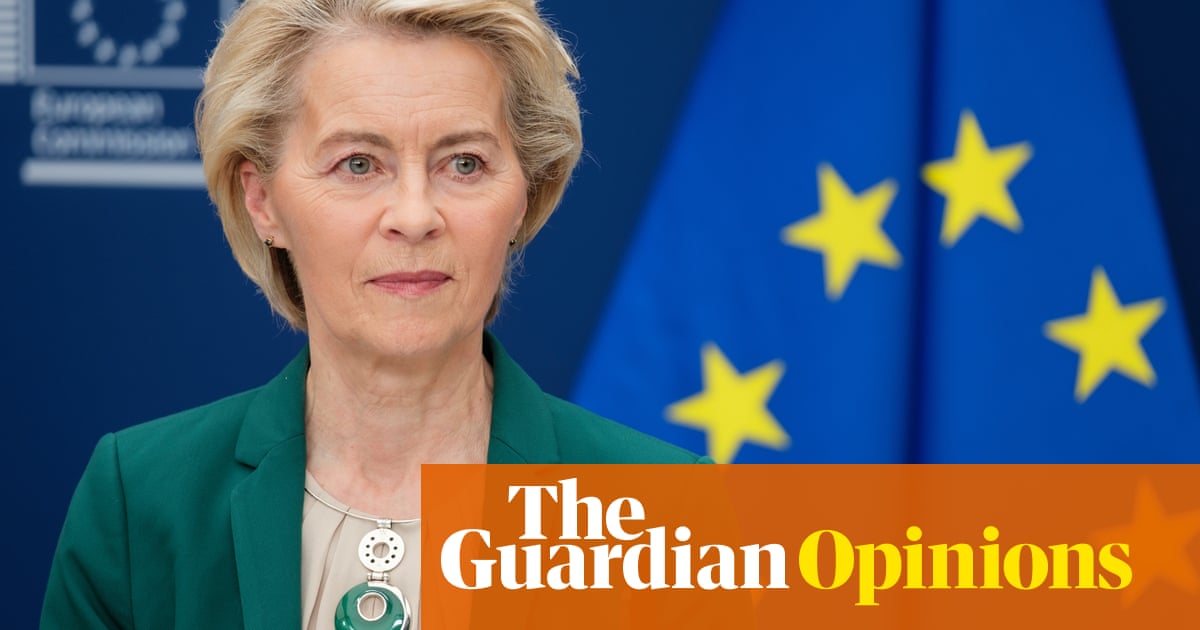
European Commission President Ursula von der Leyen is currently holding back retaliatory measures, hoping for a diplomatic resolution. German Chancellor Friedrich Merz expressed a desire for reasonable solutions
, suggesting a measured approach to de-escalate the growing trade dispute.
This strategy is seen as prudent given the high stakes. Previous US tariffs on European automakers, which added 25% on top of existing rates, already caused significant concern, particularly among German manufacturers. The potential impact of further measures on an annual €1.7 trillion in commercial activity risks a substantial market downturn.
Ukraine Aid Entangled in Trade Tensions
Concerns are mounting that a trade confrontation could jeopardize crucial discussions regarding Ukraine. Trump‘s recent pledge to supply Patriot missiles and a broader weapons package, financed by Europe, underscores the complex interplay between trade policy and geopolitical support.
However, the EU’s cautious stance is viewed as a strategic necessity. The delicate balance of international relations, especially concerning Russia, means that an overly aggressive trade response could have severe repercussions.
EU Urged to Bolster Economic Resilience
The persistent trade volatility highlights a critical need for the EU to enhance its economic independence. A year after the publication of Mario Draghi‘s competitiveness report, which called for a significant increase in annual investment, a sense of urgency appears to be lacking.
Draghi‘s report recommended investment levels three times that of the post-war Marshall Plan. Yet, despite the escalating challenges, including economic stagnation, the green transition, and increased defense spending, von der Leyen‘s administration has not pursued the fiscal ambition advocated by the report’s author.
Budget Debates Under Trade Cloud
As the European Commission prepares to unveil its 2028-34 budget proposal, member states are divided on the scale of future investment. Spain’s push for a doubled budget, financed by common borrowing, was reportedly met with caution by more fiscally conservative nations.
The proposed budget, expected to be unveiled this week, is likely to reflect a more restrained approach than many believe is necessary. With ongoing global instability and trade uncertainties, such caution may prove insufficient to safeguard the European social model.
The need for bolder economic strategies is amplified by current events. For instance, the United States’ recent inflation rate was reported at 3.2% in May 2024, indicating persistent economic pressures that influence global trade dynamics (U.S. Bureau of Labor Statistics, 2024).
