
In an article, a journalist from the “Washington Post” says, after a trip to Italy, because according to her in our country the problem of extra pounds is less than the United States
«I had the great fortune to spend the entire month of May in Italy. And if you have heard the reports of people who go on vacation, they eat long and wide for the country and miraculously return home with a few more pounds, I’m here to tell you that it does not always go like this »debuts Tamar Haspel in his editorial on Washington Post.
We try to summarize his observations, starting from the question that arises at the beginning: How is it possible that Italians are less obese than the Americans If when you turn around the Bel Paese you see that they eat biscuits for breakfast, maybe pasta or risotto and/or dinner and maybe even appetizers and second? Not to mention pizzas, focaccia and ice cream. Having said that Haspel stressed that it is not based on scientific studies but only on his observations the reasons that has been given are “in summary” essentially the following.
- Italians They eat more fish of the Americans;
- They drink in general quite less alcohol;
- They eat much less flesh;
- Consume A little less added sugars;
- Drink Less carbonated drinks.
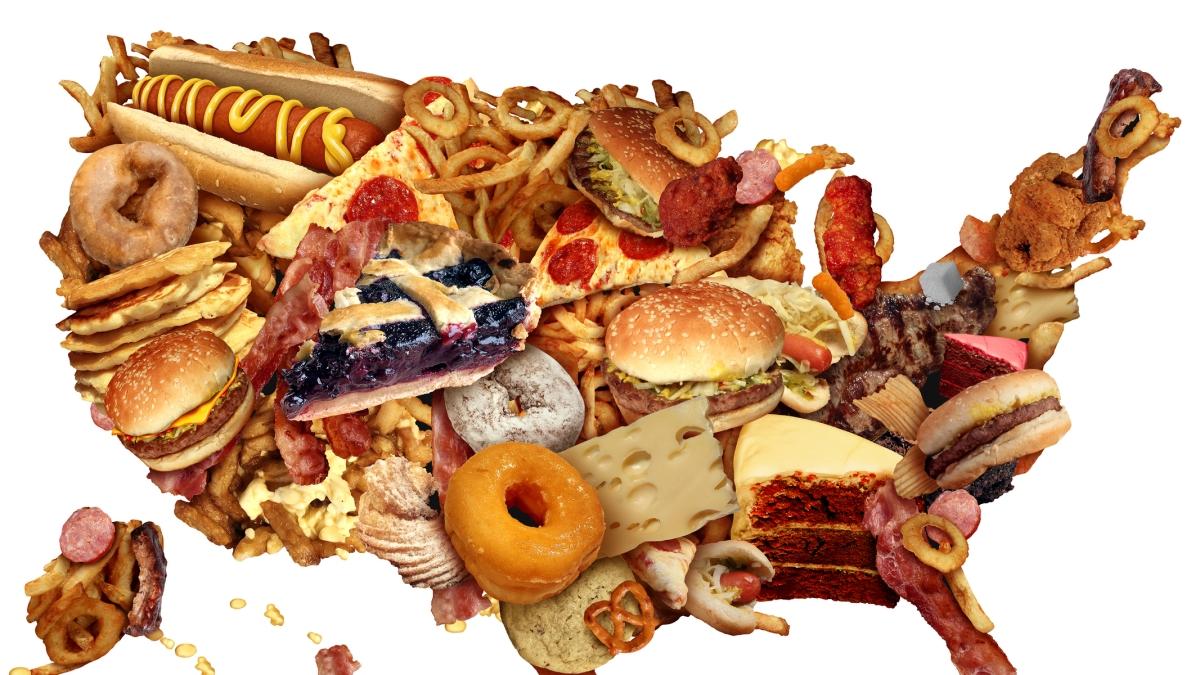
Then it is true that they probably eat more pasta but other considerations come into play: one is the dimension of portions and snacks. In the USA, the journalist underlines, the dimension of the portions is probably able to explain the largest number of calories consumed while the Italian portions seemed to be much more moderate.
Another are the snacks: Eating between meals is less common in Italy than in the USA (except ice cream).
Another aspect noticed by Haspel is that the non -food stores have fewer candies and snacks at the speakers.
«However, there is no doubt that food, and the way of eating it, is central to the sense of Italianness of many Italians. And a cuisine that is part of a national identity is something that America does not have, “concludes Haspel. “But the biggest differences are in where, when, in how and how much you eat”.
