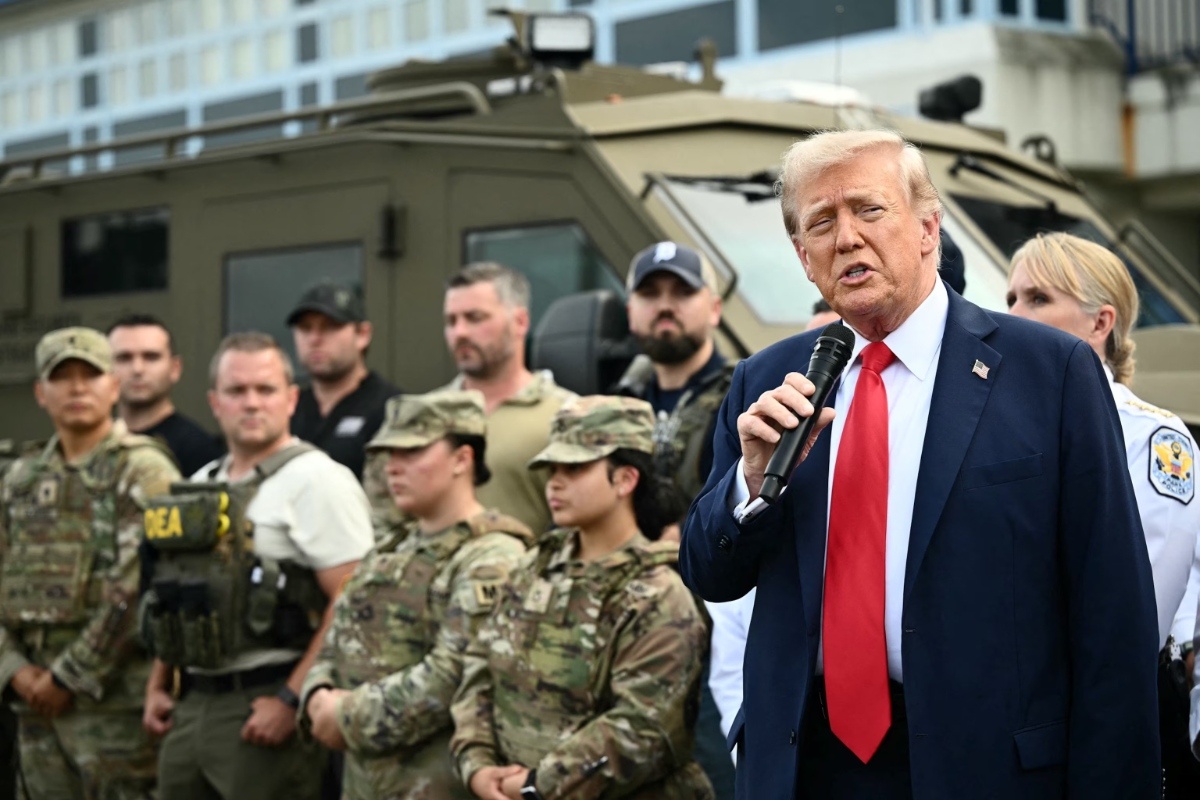
The US military is preparing for “weeks of ground operations” in Iran, a move that threatens to derail recent, fragile optimism surrounding potential peace talks and is already sending shockwaves through global energy markets. This escalation, driven by a renewed hardline stance from the Trump administration, presents significant risks to supply chains, geopolitical stability, and corporate earnings, particularly within the energy and defense sectors. Brent crude oil has already jumped, and investors are bracing for increased volatility.
The immediate fiscal problem isn’t simply higher oil prices; it’s the cascading effect on businesses reliant on predictable energy costs and stable international trade. Companies with significant exposure to the Middle East, or those dependent on uninterrupted supply chains, are facing a rapidly escalating risk profile. Here’s where proactive risk mitigation becomes paramount, and businesses are turning to specialized risk management consulting firms to model potential scenarios and develop contingency plans.
Escalation Beyond Rhetoric: Assessing the Military Posture
Sources within the Pentagon, as reported by the Washington Post (Washington Post), indicate that the planned operations are not envisioned as a full-scale invasion. Instead, the focus appears to be on targeted raids conducted by infantry troops and special operations forces. The timeframe, estimated at “weeks, not months,” suggests a swift, decisive action intended to demonstrate resolve. Still, even limited ground operations carry the potential for significant escalation, particularly given Iran’s increasingly belligerent rhetoric. Mohammad Bagher Qalibaf, Iran’s parliament speaker, warned of retaliatory strikes against US troops and allies, threatening to “set American troops on fire.”
The arrival of 3,500 US sailors and marines in the region, reported last Friday, underscores the seriousness of the situation. This deployment, coupled with the shifting deadlines issued by President Trump regarding the Strait of Hormuz – initially a 48-hour ultimatum, then extended to Friday, and subsequently another 10 days – demonstrates a volatile decision-making process. The initial ultimatum, demanding Iran reopen the Strait of Hormuz or face the “obliteration” of its power plants, was widely criticized as reckless and destabilizing.
Market Reaction: A Flight to Safety and Rising Commodity Prices
Brent crude oil finished the week at $114.81, a six percent jump on Friday alone, as market hopes for a ceasefire diminished. This surge in oil prices is not merely a reflection of supply concerns; it’s a broader indicator of risk aversion. Investors are seeking safe-haven assets, driving up demand for gold and US Treasury bonds. Neil Wilson, investor strategist at Saxo Markets, noted on Thursday that market sentiment is “sensitive to headlines and risk sentiment is fragile.”
The impact extends beyond energy. The aerospace and defense sector is experiencing increased volatility, with companies like Lockheed Martin and Northrop Grumman seeing fluctuating stock prices as investors weigh the potential for increased defense spending against the risks of prolonged conflict. According to the latest SEC 10-Q filing from Raytheon Technologies (Raytheon Technologies Investor Relations), international sales account for approximately 35% of their revenue, making them particularly vulnerable to geopolitical instability.
“We are seeing a significant uptick in inquiries from companies looking to stress-test their supply chains and assess their exposure to geopolitical risk. The situation in Iran is a wake-up call for many organizations that had previously underestimated the potential for disruption.” – Dr. Anya Sharma, Lead Geopolitical Analyst, Global Strategic Partners.
The Fragility of Peace Talks and the US Position
The escalation follows a period of tentative diplomatic engagement. Reports suggested the US presented Iran with a 15-point plan aimed at de-escalation, as detailed by the Wall Street Journal and Reuters. However, Tehran dismissed the plan as unrealistic and a thinly veiled attempt to justify US aggression. Lieutenant Colonel Ebrahim Zolfaghari, a spokesperson for the Iranian military, publicly mocked the US administration, stating, “The one claiming to be a global superpower would have already gotten out of this mess if it could.”

The US strategy appears to be a combination of military pressure and diplomatic maneuvering. However, the credibility of US diplomatic efforts is undermined by the inconsistent messaging and shifting deadlines emanating from the Trump administration. This unpredictability is creating a climate of uncertainty that is detrimental to global economic stability.
The Corporate Legal Landscape: Navigating Sanctions and Compliance
The potential for expanded military operations in Iran also raises complex legal and compliance challenges for businesses operating in the region or conducting transactions with Iranian entities. Existing US sanctions against Iran are already stringent, and any military escalation is likely to result in further tightening of these restrictions. Companies must ensure they are fully compliant with all applicable sanctions regulations to avoid significant penalties. This is driving demand for specialized international trade law firms capable of navigating the complex web of sanctions and export controls.
Looking Ahead: A Volatile Fiscal Quarter
The next fiscal quarter will be critical. The immediate impact will be felt in energy markets, with continued volatility in oil prices. However, the broader economic consequences could be far-reaching. A prolonged conflict in Iran could disrupt global trade, exacerbate inflationary pressures, and trigger a broader risk-off sentiment in financial markets. Businesses must prepare for a period of heightened uncertainty and prioritize risk management. The situation demands a proactive approach, leveraging expert advice and robust contingency planning.
The World Today News Directory remains committed to providing in-depth analysis and connecting businesses with the trusted B2B partners they need to navigate these turbulent times. From risk management consultants to international trade lawyers, our directory offers a comprehensive resource for organizations seeking to mitigate the risks and capitalize on the opportunities presented by this evolving geopolitical landscape. Don’t navigate this uncertainty alone – find your strategic advantage today.