
The Dawn of 6G: What to Expect from the Next Generation of Wireless Technology
the global rollout of 5G networks is still underway, yet the future of wireless communication is already on the horizon: 6G. While roughly 25 percent of the world currently has access to 5G, the development of 6G is accelerating, with global technical standards slated for completion before the end of 2030.
What is 6G and Why Does it Matter?
6G represents the next evolution in cellular technology, building upon the foundation laid by 5G. It promises ample improvements in speed, reliability, and efficiency, alongside ultra-low latency – the delay in data transmission. This reduction in latency is critical for applications requiring real-time responsiveness, such as remote surgery, advanced virtual reality experiences, and sophisticated monitoring systems.
Did You know? Reducing latency is crucial for applications like remote surgery,where even milliseconds of delay can have meaningful consequences.
Unprecedented Speeds: A Leap Beyond 5G
The potential speeds of 6G are truly remarkable. Current 5G networks typically deliver speeds between 100 and 500 megabits per second (Mbps). In contrast, 6G is projected to reach up to 1 terabit per second (Tbps)-approximately 2,000 times faster.this exponential increase in speed would enable instantaneous downloads, seamless streaming of ultra-high-definition video, and the development of entirely new applications leveraging real-time data processing.
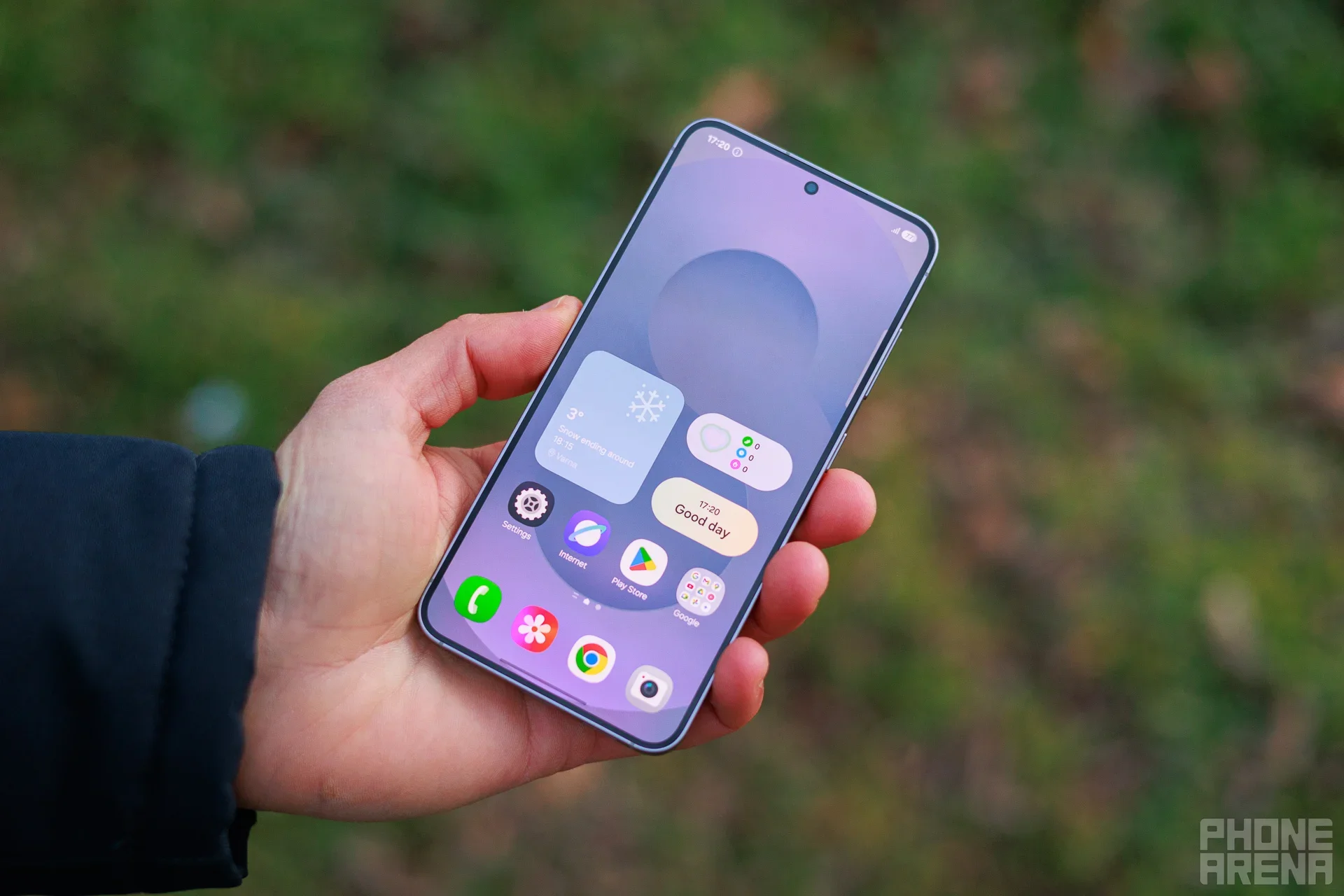
Image depicting the potential of 6G connectivity.
The Technology Behind the Speed
These aspiring speed targets are rooted in several key technological advancements. 6G is expected to utilize terahertz frequencies (100 GHz to 1 THz), substantially higher than the sub-6 GHz and millimeter wave bands used by 5G. This wider spectrum allows for the transmission of more data concurrently.
Furthermore, 6G networks could employ wider channels-tens of gigahertz compared to 5G’s 100-400 MHz-increasing data-carrying capacity. Innovative coding and signal transmission methods will also contribute to maximizing data throughput.
Pro Tip: While theoretical speeds reach 1 Tbps,real-world 6G speeds will likely be lower,dependent on proximity to hotspots and line of sight.
Key Technological Components of 6G
| Component | Description |
|---|---|
| Terahertz Frequencies | Utilizing higher frequency bands (100 GHz – 1 THz) for increased bandwidth. |
| Wider Channels | Employing channels tens of GHz wide to carry more data. |
| Massive MIMO | Using hundreds or thousands of antennas for simultaneous data streams. |
| Advanced Coding | Implementing new coding schemes to maximize data transmission efficiency. |
To achieve peak performance, 6G networks may leverage massive multiple-input multiple-output (MIMO) technology, employing hundreds or even thousands of antennas to transmit multiple data streams concurrently. Though, realizing the full 1 Tbps potential will require close proximity to specialized hotspots with unobstructed line of sight.
The Race to 6G: Who Will lead the way?
The telecommunications industry is already gearing up for the 6G era. Major carriers-including AT&T, Verizon, and T-Mobile-are actively researching and developing 6G technologies. The competition is fierce, with industry analysts suggesting that US carriers may lead the global deployment of 6G, perhaps ahead of Europe. T-Mobile’s CEO, Mike Sievert, has made ambitious predictions regarding the timeline for 6G availability.
Do you think the United States will maintain its lead in wireless technology with 6G? What impact will 6G have on your daily life?
Looking Ahead: The Long-Term Impact of 6G
Beyond faster download speeds, 6G is poised to revolutionize numerous industries. The combination of ultra-low latency and massive bandwidth will unlock new possibilities in areas such as autonomous vehicles, precision medicine, industrial automation, and immersive entertainment. The development of 6G will also drive innovation in artificial intelligence, machine learning, and edge computing.
Frequently Asked Questions About 6G
- What is the main benefit of 6G over 5G? 6G offers significantly faster speeds, lower latency, and greater network capacity compared to 5G.
- When can we expect to see 6G networks deployed? Global technical standards are expected by the end of 2030, with initial deployments likely following shortly after.
- What technologies enable 6G’s increased speed? Terahertz frequencies, wider channels, and massive MIMO are key technologies driving 6G’s performance.
- Will 6G be available everywhere? Initial deployments will likely focus on urban areas and hotspots, with wider coverage expanding over time.
- How will 6G impact everyday life? 6G will enable new applications in areas like autonomous vehicles, remote surgery, and immersive virtual reality.
The arrival of 6G promises a transformative shift in the landscape of wireless communication. As research and development continue, we can anticipate a future where connectivity is faster, more reliable, and more pervasive than ever before.
