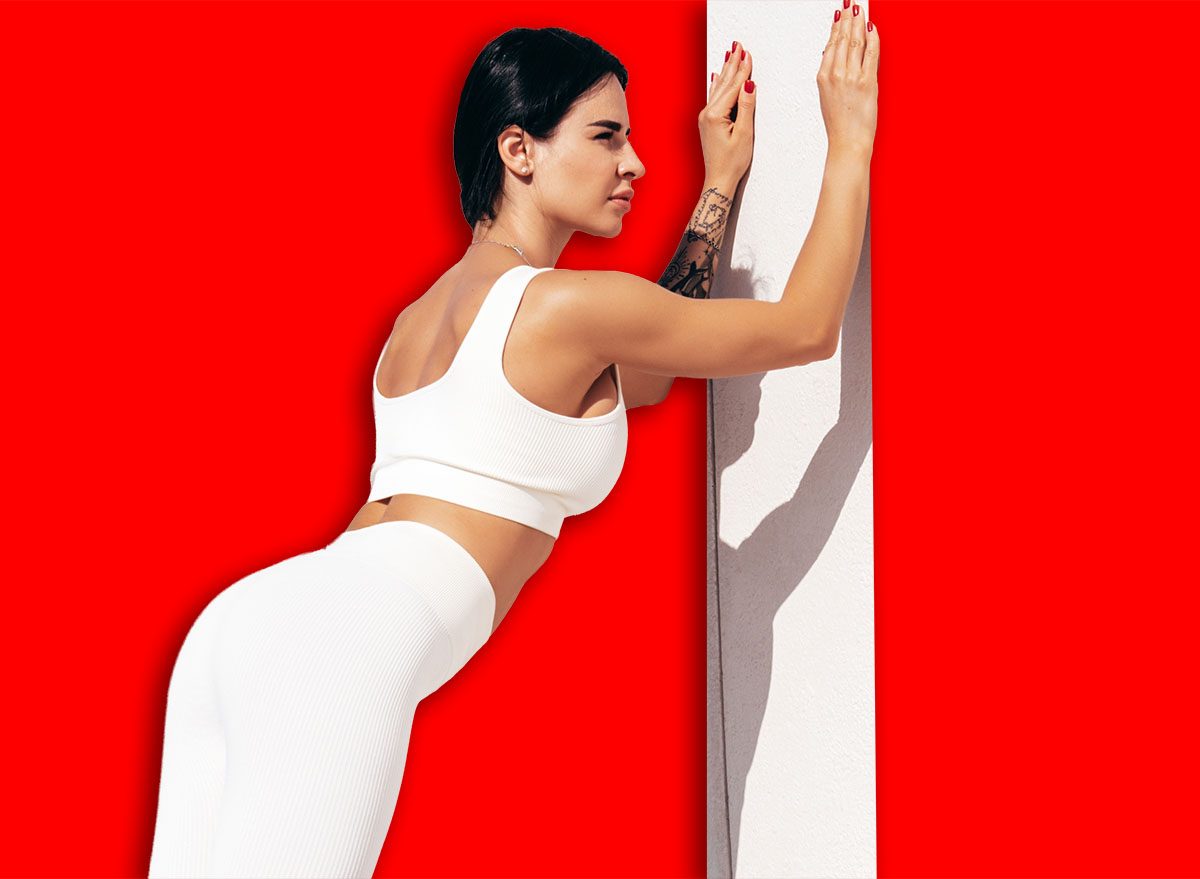
4 Wall Exercises That Tighten Loose Skin Better Than Expensive Treatments After 60
Addressing loose skin on the arms, belly, or thighs after age 60 involves understanding that the primary issue is often the loss of underlying muscle mass rather than just surface skin elasticity. While non-invasive cosmetic treatments like laser skin tightening target surface collagen production, they generally require repeat sessions and do not strengthen the underlying musculature that shapes the body profile. For older adults seeking sustainable changes in body composition without the risk of heavy gym equipment, targeted wall exercises provide stable mechanical loading to rebuild supporting muscle.
- Loose skin after 60 frequently stems from age-related muscle atrophy combined with declining collagen and elastin production.
- Wall exercises offer a stable, low-impact method to safely load muscles and rebuild underlying tissue without high fall risks.
- Consistent routine execution three to four times per week yields visible firmness and muscle tone improvements within 4 to 12 weeks.
Anatomical Distribution of Age-Related Skin Laxity
The upper arms, abdomen, neck, and inner thighs represent the most frequent anatomical sites for age-related skin laxity. These regions feature skin resting over relatively small muscle groups. As these underlying muscles fade from disuse, the skin loses its structural scaffolding and appears more prominent. Historical weight fluctuations can further stretch dermal tissues, limiting natural retraction depending on individual genetic factors. Building muscle through progressive resistance changes how skin drapes over the body, offering a reliable, low-cost alternative to expensive cosmetic interventions.
Biomechanics of Wall Exercises Versus Cosmetic Procedures
Wall-supported movements allow older adults to engage in resistance training safely. By utilizing a vertical plane for stability, participants can exert higher force loads than freestanding exercises permit, stimulating muscle hypertrophy without joint-jarring impact. Unlike laser therapies that carry high costs and limited structural impact, wall routines enhance overall strength, balance, and bone density simultaneously. Clinical recovery guidelines indicate that skeletal muscle requires approximately 24 to 48 hours of rest between loading sessions to optimize protein synthesis and structural adaptation.
Targeted Wall Movements for Upper and Lower Body Tone
Executing a comprehensive routine involves four primary movements designed to engage major muscle groups:
- Wall Push-Up: Stand two to three feet from a vertical surface with palms at shoulder height. Lower the chest toward the wall over three seconds and push back in one second to engage the chest, shoulders, and triceps. Complete 12 to 15 repetitions.
- Wall Sit: Place the back flat against a wall and slide down until knees form a 90-degree angle, keeping knees behind the toes. Hold for 30 seconds followed by a 30-second rest for three rounds to load the quadriceps and glutes.
- Wall Plank: Position forearms on a vertical surface at shoulder height with feet walked back to maintain a straight line from heels to head. Brace the core and hold for 30 seconds across three rounds to strengthen deep trunk musculature.
- Wall Glute Squeeze With Hip Extension: Stand facing a wall for balance, shift weight to one leg, and extend the opposite leg backward by two inches while contracting the gluteal muscle. Perform 12 controlled repetitions per side.
Long-Term Progression and Clinical Expectations
Initial physiological adaptations manifest within the first two weeks as increased firmness from heightened muscle tone and neural recruitment. Visible alterations in arm contour, gluteal elevation, and abdominal tightness typically emerge between weeks four and six, with noticeable changes in garment fit by week eight. For personalized guidance on safe exercise progression or addressing persistent musculoskeletal concerns, patients should consult with a qualified healthcare provider. Maintaining progress beyond three months requires gradual overload, such as transitioning wall push-ups to lower surfaces or increasing wall-sit durations.
*Disclaimer: The information provided in this article is for educational and scientific communication purposes only and does not constitute medical advice. Always consult with a qualified healthcare provider regarding any medical condition, diagnosis, or treatment plan.*