4 Home Exercises to Rebuild Shoulder Strength After 60
For adults over 60, rebuilding shoulder strength often requires moving beyond fixed-path gym machines to exercises that prioritize scapular stability and range-of-motion control. Research published in the International Journal of Sports Physical Therapy highlights the necessity of targeting scapular stabilizers to maintain joint health, while a 2025 systematic review in Frontiers in Bioengineering and Biotechnology emphasizes that specific exercise modes are critical for managing rotator cuff-related discomfort. By utilizing simple equipment like resistance bands and light dumbbells, individuals can better integrate shoulder, core, and upper back functionality for daily tasks.
- Prioritize scapular movement and core engagement over heavy, fixed-path resistance to reduce joint strain.
- Integrate rotational and overhead movements—such as halos and half-kneeling presses—to improve functional capacity.
- Maintain consistent, low-load training to facilitate neuromuscular recruitment, which often declines due to age-related sarcopenia.
The Clinical Rationale for Home-Based Shoulder Training
Muscle mass and power output decline at an accelerated rate after age 60, a process clinically defined as sarcopenia. According to insights from practitioners at TRAINFITNESS, this decline is not merely a reduction in muscle size, but a decrease in the nervous system’s efficiency in recruiting muscle fibers. While gym machines provide a guided path for movement, they often bypass the stabilizing muscles required for real-world tasks like reaching or carrying. By training at home with bodyweight or light resistance, the body is forced to coordinate multiple muscle groups simultaneously, improving overall joint proprioception and functional stability.
Targeted Exercises for Scapular and Rotator Cuff Health
Effective home routines focus on movement quality rather than sheer load. Band pull-aparts serve as an foundational movement, targeting the rear deltoids and upper back to ensure the shoulders remain in an optimal position. By standing tall and pulling the band with control, practitioners can receive immediate feedback regarding posture. If the shoulders shrug during the movement, the load or form requires adjustment.
The half-kneeling shoulder press provides a controlled method for overhead work. By anchoring one knee to the floor, the exercise limits the ability to hyperextend the lumbar spine, effectively isolating the shoulder and core. This approach, supported by standard physical therapy protocols, ensures that the shoulder blade moves cleanly through its natural arc.
Integrating Mobility and Strength Through Flow
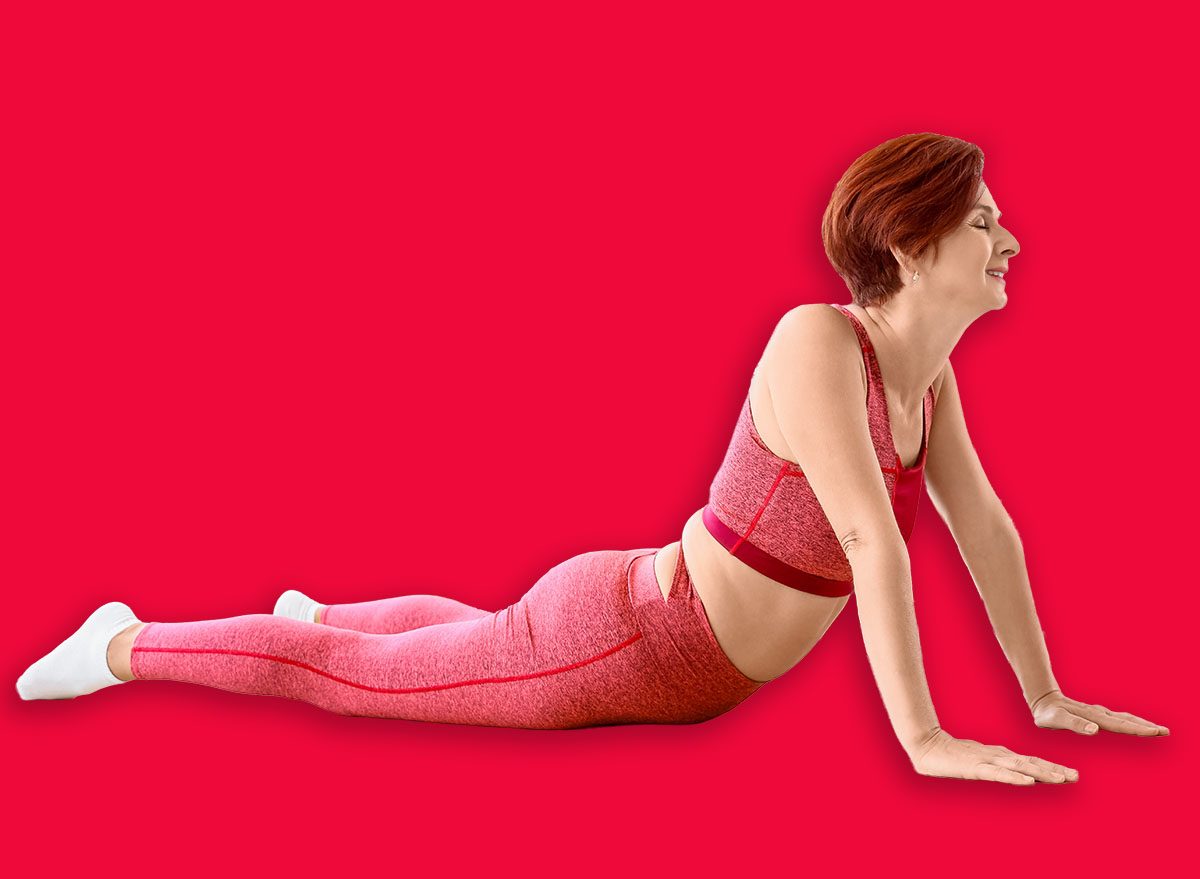
Combining strength and mobility can be achieved through movements like the down dog to cobra transition. This sequence asks the shoulders to provide stability during the push phase while encouraging thoracic extension. Similarly, shoulder halos—performed with a light dumbbell or kettlebell—train the rotator cuff through a full range of motion. Because these exercises are self-limiting, the risk of acute injury is significantly lower than with heavy, machine-based lifting.
Optimizing Long-Term Joint Function
Consistency is the primary driver of success in strength restoration. Engaging in these targeted exercises three to four days per week allows for sufficient recovery while maintaining neuromuscular pathways. As strength improves, practitioners should focus on incremental increases in volume—either through higher repetition counts or slightly increased resistance—rather than rapid progression in load. This measured approach supports the findings in the 2025 Frontiers in Bioengineering and Biotechnology review, which suggests that tailored exercise modes are superior for improving rotator cuff outcomes compared to generic weight training.
By prioritizing controlled, multi-planar movement, older adults can effectively mitigate the effects of age-related strength loss.