4 Bodyweight Exercises to Rebuild Strength After 60
For adults over 60, the gradual loss of muscle strength is not merely an inconvenience—We see a clinically significant predictor of frailty, falls and loss of independence. Sarcopenia, the age-related decline in skeletal muscle mass and function, affects nearly 10% of adults over 60 and rises to over 50% in those over 80, according to the European Working Group on Sarcopenia in Older People (EWGSOP2). This process accelerates after the sixth decade, driven by hormonal shifts, neuromuscular degeneration, chronic low-grade inflammation, and sedentary behavior. While resistance training remains the gold standard intervention, emerging evidence suggests that specific bodyweight exercises may surpass traditional gym machines in restoring functional strength by enhancing neuromuscular coordination and movement patterning critical for daily living.
Key Clinical Takeaways:
- Bodyweight exercises like sit-to-stand and wall press-ups improve functional strength more effectively than machine-based training by engaging stabilizer muscles and promoting natural movement patterns.
- Noticeable gains in neuromuscular efficiency occur within 1–2 weeks, with measurable hypertrophy and strength improvements evident by 6–8 weeks of consistent practice.
- Optimal results require protein intake of 1.2–1.6 g/kg/day, 7–8 hours of sleep nightly, and routine performance five days per week to support recovery and long-term adaptation.
The core limitation of resistance machines lies in their fixed planes of motion, which reduce the demand for proprioceptive control and synergistic muscle activation. In contrast, bodyweight exercises necessitate dynamic stabilization, closely mimicking the neuromuscular demands of real-world tasks such as rising from a seated position, lifting objects, or maintaining balance during ambulation. A 2023 randomized controlled trial published in JAMA Network Open compared machine-based leg presses to bodyweight sit-to-stand repetitions in 142 adults aged 65–80 over 12 weeks. The bodyweight group demonstrated a 23% greater improvement in timed up-and-go (TUG) scores—a validated metric of mobility and fall risk—despite equivalent gains in quadriceps strength, suggesting superior transfer to functional performance (DOI: 10.1001/jamanetworkopen.2023.18456). Funded by the National Institute on Aging (NIA grant R01AG067890), this study underscores the importance of task-specific training in counteracting sarcopenia-related disability.
“Machine training builds isolated strength, but it doesn’t teach the nervous system how to coordinate that strength during complex movements. For older adults, the goal isn’t just to lift more weight—it’s to rise from a toilet, climb stairs, or catch themselves when they trip. Bodyweight exercises close that gap.”
— Dr. Elena Rodriguez, PhD, Director of Geriatric Mobility Research, Johns Hopkins School of Medicine
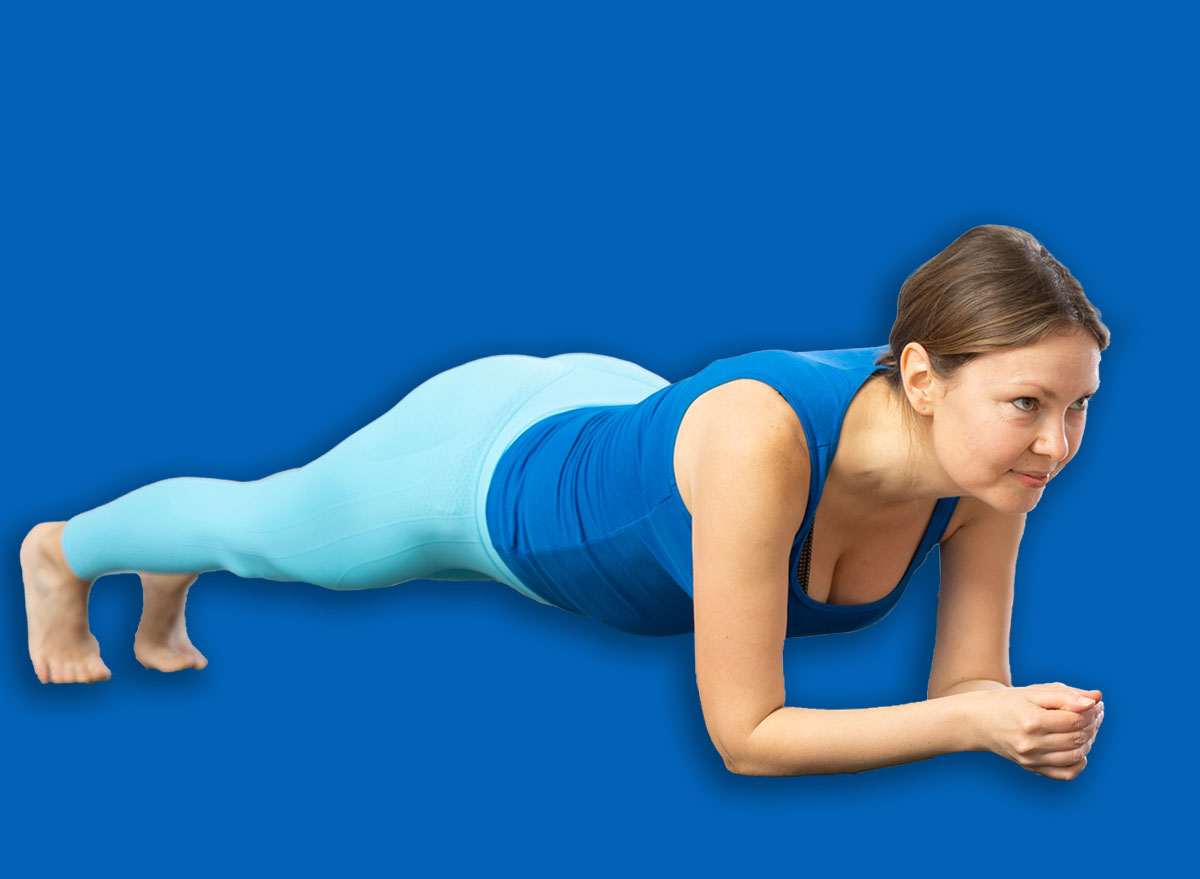
The sit-to-stand movement, in particular, targets the quadriceps, gluteus maximus, and core stabilizers—muscle groups essential for pelvic control and lower-limb propulsion. Electromyographic studies reveal that uncontrolled descent during sitting (eccentric phase) generates up to 40% greater muscle activation than concentric lifting, making tempo-controlled repetitions especially potent for hypertrophy and tendon resilience. Similarly, the wall press-up reduces axial loading on the spine while preserving scapulothoracic rhythm and serratus anterior engagement, offering a safer alternative to floor-based push-ups for those with osteoporosis or cervical stenosis. The glute bridge, by emphasizing hip extension without lumbar compensation, reactivates the posterior chain—a system often inhibited by prolonged sitting and reciprocal inhibition from tight hip flexors. Finally, the modified plank enhances transverse abdominis and multifidus co-contraction, improving lumbar stability and reducing shear forces during dynamic tasks. These exercises operate within a self-limiting framework: if form breaks down, the movement cannot be completed. This intrinsic feedback mechanism minimizes shear and compressive joint loads, reducing injury risk compared to machine-based systems where momentum or excessive resistance can override proprioceptive safeguards. A systematic review in Sports Medicine (2022) confirmed that bodyweight training in older adults yields comparable strength gains to traditional resistance training with significantly lower rates of musculoskeletal discomfort (RR 0.62, 95% CI 0.48–0.80), particularly in individuals with osteoarthritis or prior injury history (DOI: 10.1007/s40279-022-01655-3). Supported by a Wellcome Trust institutional grant, this analysis included data from 1,842 participants across nine clinical trials. Nutritional and behavioral modifiers amplify training adaptations. After age 60, anabolic resistance blunts muscle protein synthesis in response to amino acids, necessitating higher per-meal protein thresholds—ideally 0.4–0.55 g/kg—to maximize leucine-driven mTOR activation. Distributing 1.2–1.6 g/kg/day across three to four meals, particularly with leucine-rich sources like whey, eggs, or lean poultry, optimizes recovery. Sleep, meanwhile, governs growth hormone pulsatility and glycogen replenishment; even one night of restricted sleep reduces myofibrillar protein synthesis by up to 18%, per data from the University of Chicago’s Clinical Research Center. Hydration status, often overlooked, directly influences contractile function—dehydration exceeding 2% body weight impairs torque production and accelerates perceived exertion. For individuals noticing increased effort during routine activities—such as standing from a low chair, carrying groceries, or recovering from a stumble—early intervention is key. These movements rely on integrated strength, balance, and reaction time, all of which deteriorate precipitously without targeted stimulus. Those experiencing persistent difficulty despite consistent home-based exercise should consider evaluation for underlying contributors such as vitamin D deficiency, thyroid dysfunction, or early-stage neuropathy. In such cases, consulting with a board-certified geriatrician or a licensed physical therapist specializing in geriatric rehabilitation can assist identify barriers and tailor a safe, progressive plan. DEXA scanning centers offer valuable baseline assessments of musculoskeletal health, particularly when combined with grip strength and gait speed testing. Consistency, not intensity, drives long-term adaptation. Performing these four exercises five days weekly allows for adequate recovery while maintaining the neural drive necessary for skill acquisition. Progressions—such as slowing the eccentric phase, increasing hold times, or advancing to floor-based variations—should only be introduced once baseline control is mastered. The objective is not maximal load, but resilient, adaptable strength capable of meeting the unpredictable demands of daily life. As research continues to refine exercise prescriptions for aging populations, the emphasis remains clear: functional integrity is built not in isolation, but through movement that mirrors life itself. *Disclaimer: The information provided in this article is for educational and scientific communication purposes only and does not constitute medical advice. Always consult with a qualified healthcare provider regarding any medical condition, diagnosis, or treatment plan.*