
one in Three Women Experience Hormone-Related Work Challenges, Prompting calls for Workplace Changes & Research
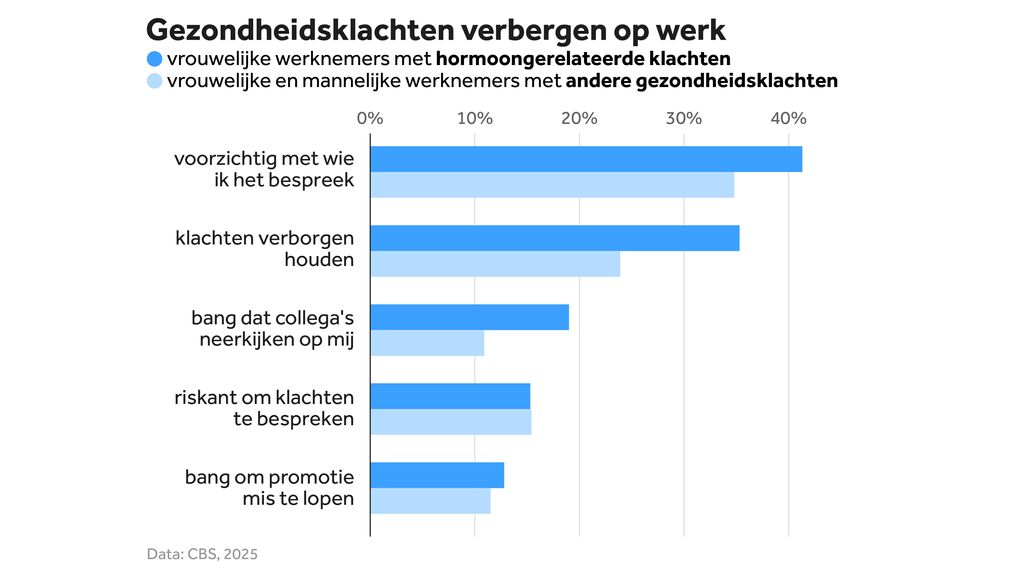
THE HAGUE – A significant portion of the dutch workforce – roughly one in three women – grapple with hormone-related complaints that impact their ability to perform at work, according to recent research from Statistics Netherlands and TNO. The findings are fueling a growing discussion about workplace culture, the need for better support for women experiencing menstrual problems, and the urgent demand for improved diagnostics and treatments.
The study highlights a critical gap in addressing the impact of conditions like menstruation, perimenopause, and endometriosis on professional lives. Experts emphasize that these aren’t simply “personal” issues, but significant factors affecting productivity, career progression, and overall health equity. While organizations like Statistics Netherlands and TNO recommend fostering open and healthy work environments that acknowledge these challenges, advocates are pushing for more concrete action, including increased research funding and potential policy changes.
Researchers stress the importance of supporting women who regularly experience menstrual problems, noting the long-term implications for their careers. “As they still have a whole career,” the institutes wrote, underscoring the need for sustainable solutions.
Gynecologist Huirne welcomes the increased attention to the issue, pointing to examples like Spain, where some cities are piloting menstrual leave programs. “That is good for emancipation,” she stated, adding that women experience more years of poor health than men. However,she argues that simply accommodating symptoms isn’t enough. “You accept that women are going to suffer at home. I argue for solving the problem by developing better diagnostics and better treatments. This requires more research.”
The call for improved medical solutions reflects a broader push to move beyond symptom management and address the root causes of hormone-related health issues, ultimately aiming to create a more equitable and supportive work environment for all women.
