
Yemen Faces Escalating Crisis: UN Warns of Famine, Renewed Fighting, and Hindered Aid Delivery
The United Nations has voiced grave concerns over a rapidly deteriorating situation in Yemen, marked by escalating conflict, a spiraling humanitarian crisis, and increasing threats to aid workers. Briefings to the UN Security Council highlighted a surge in violence, worsening food insecurity, and significant obstacles to delivering life-saving assistance.
Special Envoy for Yemen,Hans Grundberg,reported recent attacks,including those targeting Israel,resulting in civilian casualties and damage to critical infrastructure.He warned that the renewed cycle of violence is diverting Yemen away from potential peace negotiations and lasting development. “This escalatory cycle must end…we need to get the focus back on Yemen – focus on both its internal challenges and on unlocking its great potential,” Grundberg stressed.
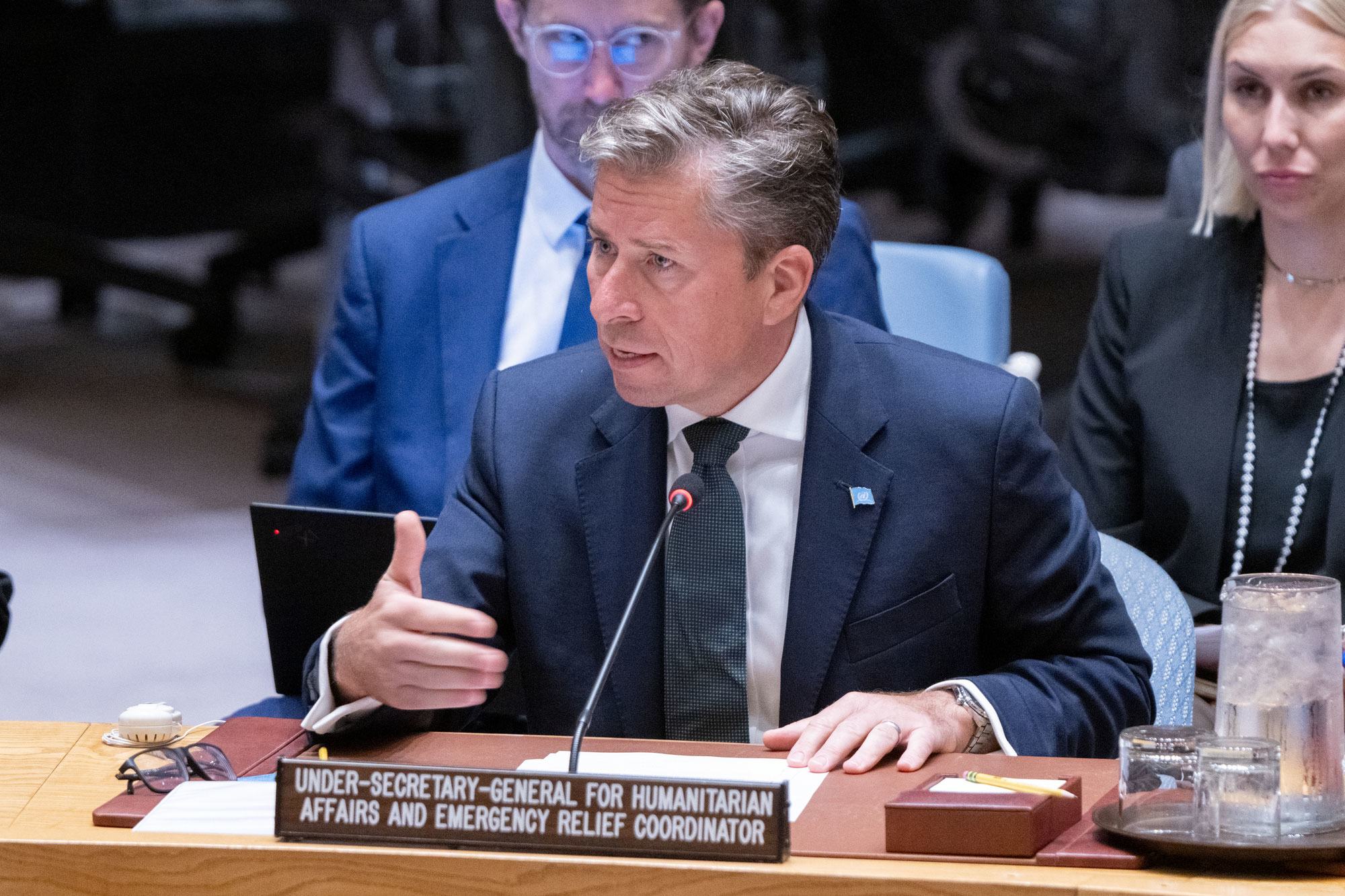
The humanitarian situation is notably alarming. UN Emergency Relief Coordinator Tom Fletcher informed the Council that Yemen remains the third most food-insecure country globally, with 17 million people already struggling with hunger and an anticipated increase of one million facing extreme food shortages before February. He stated that 70% of Yemeni households lack sufficient food to meet daily needs – the highest rate ever recorded - and one in five households experiences entire days without food. Furthermore, two million women and girls have lost access to reproductive health services due to funding shortfalls.
despite these challenges,humanitarian organizations continue to provide aid where access allows. Recent assistance in Hajjah, Amran, and Ma’rib has included food, water, health services, and nutritional support to tens of thousands. over 172,000 individuals affected by flooding have received essential supplies like non-food items, shelter, hygiene kits, and clean water.
However, Mr. Fletcher emphasized that ongoing hostilities, damage to infrastructure, and the detention of UN personnel are severely hindering aid operations. he revealed that twenty-two UN staff members have been arbitrarily detained by Ansar Allah, with one released, but over 40 remaining in custody, including a colleague who tragically died while detained.
Both UN officials underscored the urgent need for dialog and adherence to international law. Grundberg urged Yemeni leaders to de-escalate unilateral actions and pursue a nationwide ceasefire, alongside economic reforms and inclusive political engagement. Fletcher called for the immediate and unconditional release of all detained aid workers and a secure operating environment, warning that funding cuts and conflict-related obstacles are directly contributing to loss of life.
“Detaining humanitarian staff does not help the people of Yemen. It does not feed the hungry, heal the sick, nor protect those displaced by floods or fighting,” Fletcher stated. He concluded by emphasizing the basic right of the Yemeni people to receive humanitarian aid and to a future characterized by security, justice, and possibility.
