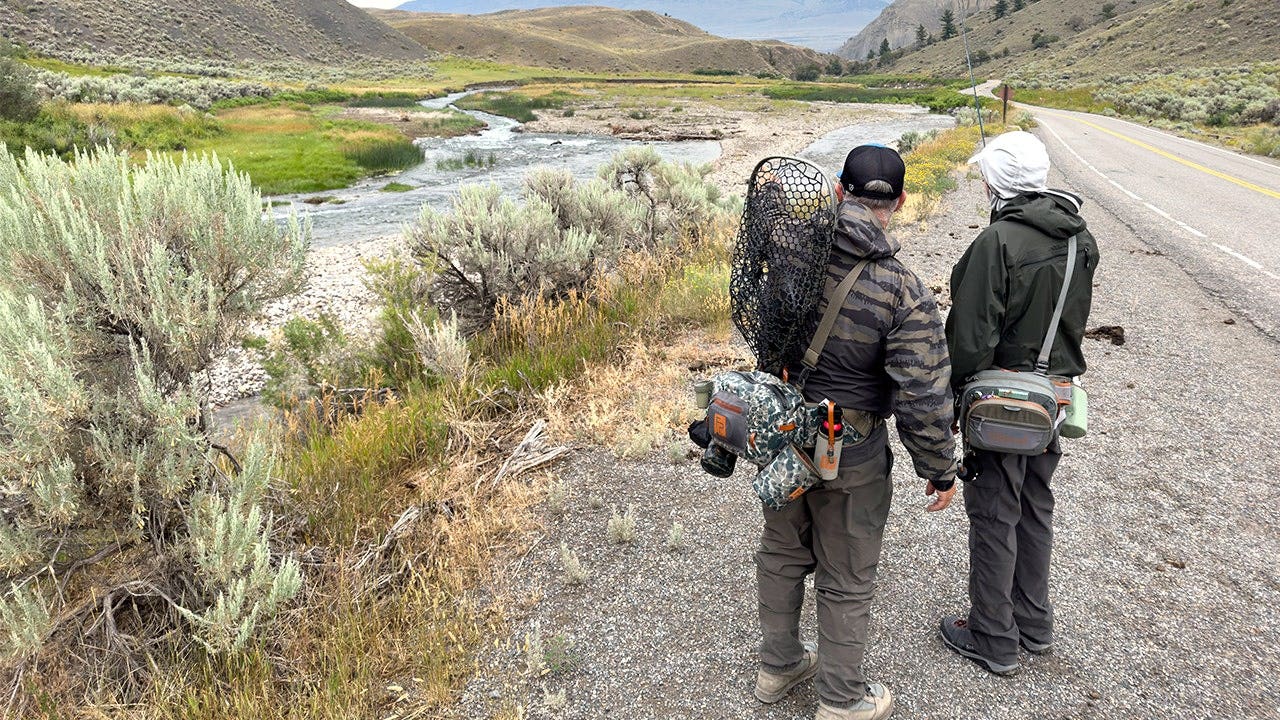
Yellowstone National Park Closes Popular Rivers to Fishing Due to Extreme Heat
On July 15, National Park Service officials announced 24-hour emergency fishing closures on the Madison, Firehole, and Gibbon rivers in Yellowstone National Park. Driven by peak water temperatures reaching 80 to 86 degrees Fahrenheit alongside high air temperatures, these lethal conditions threaten the park’s native and wild trout populations, prompting immediate regulatory intervention to protect vulnerable fisheries.
Emergency Closures Target Yellowstone’s Iconic Western Waterways
The restrictions sweep across Yellowstone’s west and northwest sectors, targeting aquatic ecosystems near some of the park’s heaviest tourist corridors. Most notably, the Firehole River flows directly through the Old Faithful area. According to National Park Service announcements, these waterways are closed to angling around the clock until environmental conditions improve. Officials confirmed that dead fish have already been documented in the Firehole River as thermal stress pushes local trout populations to their biological limits.
While the Madison, Firehole, and Gibbon rivers face strict shutdowns, the National Park Service noted that other lakes, rivers, and streams across the park remain open without heat-related restrictions. Park management maintains that these temporary closures are required to protect native and wild trout fisheries from catastrophic mortality events during peak summer heat waves.
Physiological Stress and the Ectothermic Vulnerability of Trout
Steven J. Cooke, a biology professor at Carleton University in Canada, explained that trout are ectotherms whose body temperatures match their surrounding aquatic environment. At temperatures ranging from 80 to 86 degrees Fahrenheit, fish struggle to extract sufficient oxygen from the water and often fail to recover even if released quickly by anglers.
Cooke, who serves on the board of the nonprofit organization Keep Fish Wet, emphasized that anglers must adapt to a shifting climate where thermal river closures will occur more frequently. When angling is permitted, practitioners can mitigate stress by minimizing fight times and eliminating air exposure entirely. Organizations specializing in aquatic resource management help local municipalities and conservation groups monitor watershed health during extreme weather anomalies.
Historical Context of Yellowstone Fisheries and Conservation Management
Yellowstone National Park supports some of the most famous fisheries in the world, drawing generations of recreational anglers for over 150 years. Park regulations have historically balanced recreational access with the preservation of native fish abundance and genetic integrity. However, extreme meteorological conditions are increasingly forcing managers to choose between visitor recreation and aquatic resource survival.
Conservation experts point out that similar thermal stress management protocols are increasingly common across North America, affecting muskellunge fisheries in the Midwest and Atlantic salmon runs in the Northeast.
As summer temperatures persist across the region, park officials continue to monitor water gauges and daily weather forecasts to determine when river systems will cool enough to safely reopen. Until then, resource managers urge visitors to respect the 24-hour closures to safeguard the long-term ecological resilience of Yellowstone’s wild trout populations.