
Researchers have identified links between Y chromosome variation and a range of health conditions, including type 2 diabetes, in a large-scale study of Japanese men. The findings, published today, shed light on the complex interplay between genetics and disease risk, and could pave the way for improved diagnostic and preventative strategies.
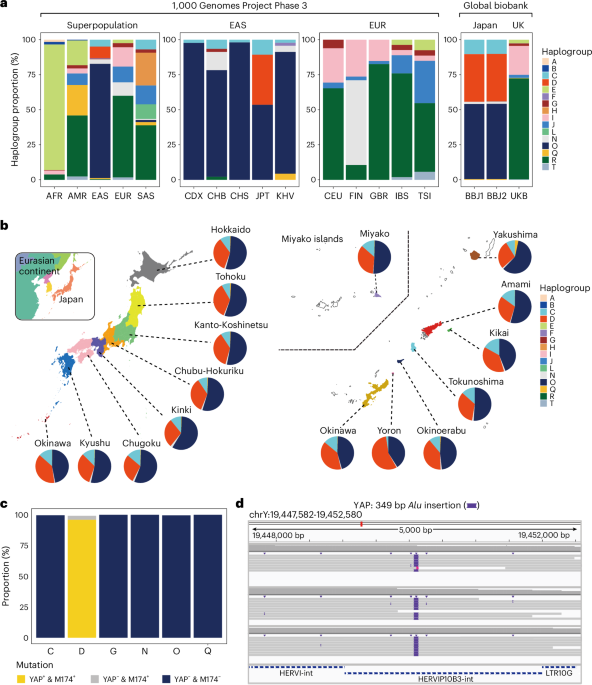
The study, leveraging data from the BioBank Japan (BBJ) project, a national biobank containing samples and clinical information from over 260,000 individuals, examined the genomes of approximately 200,000 Japanese men. Researchers analyzed Y chromosome variations, including haplogroups and loss-of-Y (LOY) events, in relation to a wide spectrum of phenotypes, both binary (disease presence/absence) and quantitative (measurable traits).
LOY, characterized by the loss of all or part of the Y chromosome, emerged as a significant factor in several health outcomes. The research team found a correlation between LOY and an increased risk of type 2 diabetes. Further analysis, including replication studies using data from the Tohoku Medical Megabank (TMM), supported this association. The study also revealed that specific Y chromosome haplogroups were linked to variations in circulating metabolite and protein levels, suggesting a broader impact on metabolic processes.
The BBJ project, initiated in 2003 by the Institute of Medical Science at the University of Tokyo, has been instrumental in gathering comprehensive genetic and clinical data from a diverse Japanese population. The project’s second cohort, BBJ2, added another 80,000 participants between 2013 and 2018. Data from both cohorts were utilized in this latest analysis.
Researchers employed advanced genomic techniques, including single-cell analysis, to investigate the mechanisms underlying these associations. Single-cell RNA sequencing revealed altered gene expression patterns in cells lacking the Y chromosome, particularly in pancreatic beta cells and monocytes. These changes pointed to disruptions in insulin secretion and immune function, potentially contributing to the observed disease risks.
The study also explored the potential for incorporating Y chromosome information into predictive models for type 2 diabetes and height. While autosomal and X chromosomal genetic factors remained dominant predictors, the inclusion of haplogroup risk scores and somatic mutations modestly improved prediction accuracy.
The findings were validated through meta-analysis with other East Asian cohorts, and replication studies in the Finnish biobank FinnGen confirmed the negative association between LOY and type 2 diabetes in a European population. The researchers caution that further investigation is needed to fully elucidate the causal pathways involved and to determine the clinical implications of these findings.
The research team is now focusing on longitudinal follow-up analyses within the BBJ cohort to assess the prospective association between baseline LOY status and the incidence of various diseases. They are also conducting metabolomics and proteomics analyses to identify specific biomarkers influenced by Y chromosome variation.
