Wyoming US House Debate Highlights Absent Republican Chuck Gray
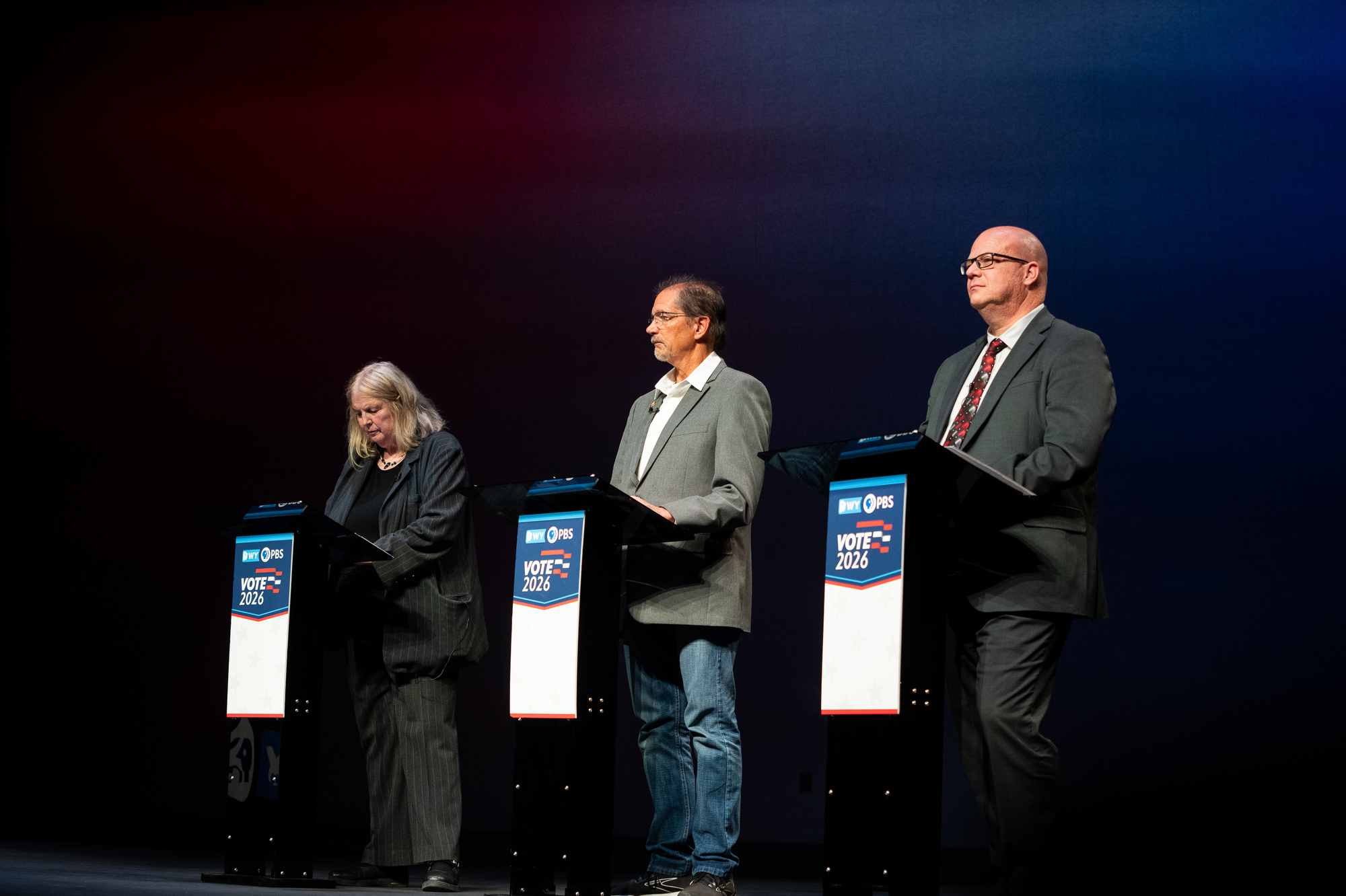
Wyoming voters face a stark contrast between a dominant historical precedent and an unusual general election absence as candidates pitch themselves for the state’s lone U.S. House seat. While history suggests a safe path for the Republican nominee, the decision by current Secretary of State Chuck Gray to skip a livestreamed forum hosted by Wyoming PBS, Wyoming Public Media, and Cowboy State Daily has left his opponents to debate alone, WyoFile reported.
Absent Frontrunner Shapes the Riverton Forum
For those familiar with Wyoming political history, a Republican victory in the at-large U.S. House race appears to be a foregone conclusion. Tight general elections remain exceptionally rare in the state, and it has been twenty years since a Democrat came close to winning when Gary Trauner lost to Republican Representative Barbara Cubin by just 0.5% of the vote. The last time Wyoming actually elected a Democrat to the House traces back a full half century to 1976, when Teno Roncalio won reelection over Republican Larry Hart.
Even though Chuck Gray secured only 25% of the vote in a nine-candidate Republican primary, assumptions that he is on a glidepath to Washington, D.C. are understandable. Yet, the frontrunner failed to show up on Thursday evening for the hour-long candidate forum in Riverton.
Democratic candidate Lisa Kinney seized on Gray’s absence immediately during her introductory remarks. “Where is the GOP nominee?” Kinney said. “I still haven’t seen him.”
Other candidates displayed more understanding regarding the empty podium. “Chuck Gray is his own man,” Constitution Party candidate Jeffrey Haggit said. “I don’t know if he’s being told to not show up here, or if it’s just a personal decision.”
Gray explained his absence in a text message statement to WyoFile, pointing out that past Republican nominees in similar positions have skipped general election debates, including current U.S. House Representative Harriet Hageman in 2022, 2024, and 2026. Hageman is currently running for the U.S. Senate. Gray also pointed to his broader outreach efforts. “So far, I’ve hosted over 50 townhalls, done at least 6 debates, dozens of forums, and also attended other events across Wyoming,” Gray stated.

Major Party Status Hangs in the Balance
Beyond individual candidate strategies, the contest carries institutional weight for the state’s political infrastructure. The Democratic Party currently qualifies as a major political party in Wyoming, but this U.S. House race could determine whether that classification survives.
Wyoming law defines a major political party as an organization whose candidate for any one of the offices of the United States house of representatives, governor or secretary of state, receives not less than 10% of the total votes cast for that office in the most recent general election. Minor and provisional parties must nominate candidates through a convention rather than primary elections, making the 10% threshold critical for party operations.
Whether Lisa Kinney can hit that threshold in a four-way race remains an open question, though 2024 general election results offer precedent. Even in a strongly conservative state, Democrat Kamala Harris drew nearly 26% of the vote on Wyoming presidential ballots.
Rapid Fire Exchanges on Immigration and Federal Land
During the forum, Kinney, Haggit, and Libertarian candidate Shawn Johnson reacted quickly to a series of pressing policy questions.
When asked about Harriet Hageman, Haggit remarked that she has done a pretty good job. Johnson adopted a neutral stance, stating he was not running against her and wishing her luck. Kinney took a sharper policy angle, noting her past professional connection to Hageman while sharply criticizing her stance on public lands.
Immigration and Immigration and Customs Enforcement policy drew distinct philosophical divides among the candidates. Haggit described public perception challenges surrounding federal agents, pointing to local sanctuary policies that force federal intervention, while calling the broader immigration system broken. Johnson argued that ICE is overly funded and used improperly, though he emphasized that secure borders define a nation. Kinney criticized enforcement methods that lack due process and target individuals based on race, calling for immediate reform.
The ballot remains set for November, leaving voters to weigh an absent frontrunner against active alternative platforms while minor party survival hangs on the final vote tallies.