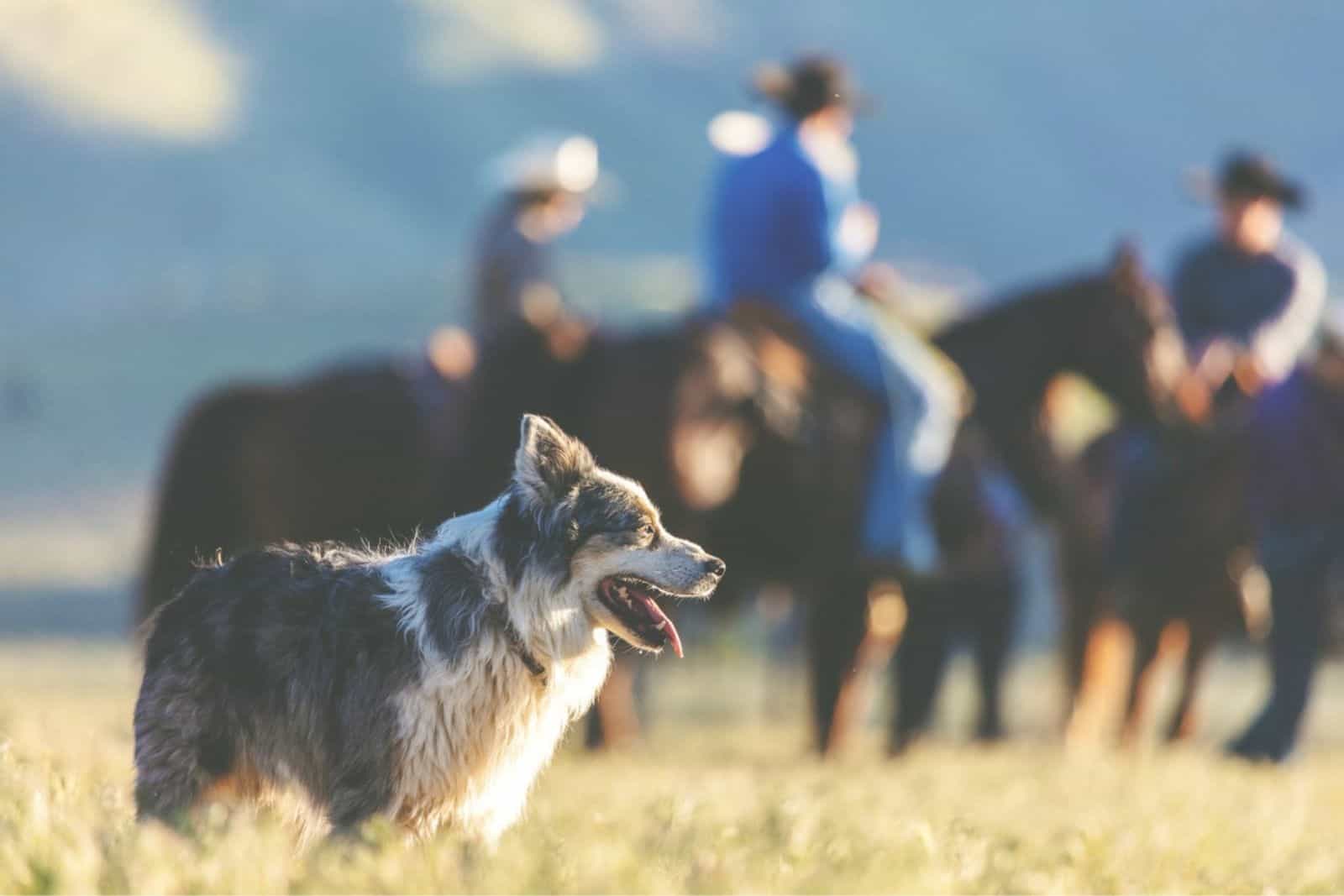
Wyoming ranch dog’s discovery reveals black-footed ferret colony
At approximately 3 a.m. on September 26, 1981, a cattle rancher named John Hogg and his wife, Lucille, were awakened by their dog barking outside their bedroom window, according to an account from the Fort Collins Museum of Discovery. Thinking their dog Shep had tangled with a porcupine, the couple went back to sleep, completely unaware that the animal in the yard was about to alter conservation history by revealing a species previously believed to be extinct.
The Discovery on the Hogg Ranch
The following morning, John Hogg found what Shep had actually caught: the carcass of a small animal featuring a black mask, black feet, and a black-tipped tail, with its back broken. Believing it might be worth getting mounted, the couple drove the specimen into Meeteetse to a local taxidermist. The taxidermist took one look at the animal, went quiet, and immediately stated he needed to make a phone call.
The animal was a black-footed ferret. By every official account at the time, the species was extinct. The last wild population had vanished by the mid-1970s, and the last known captive individual had died in 1979. The taxidermist’s urgent call reached Wyoming wildlife officials, prompting biologists to arrive at the Hogg property to investigate.

Dog Finds Last Wild Ferret Colony
Subsequent surveys, trapping efforts, and radio tracking revealed a small colony living quietly on the Hogg property and the neighboring Pitchfork Ranch. The group numbered between 120 and 130 ferrets, constituting the last known wild population on the planet. Years of public appeals and newspaper ads across Wyoming in the late 1970s had failed to prompt any sightings from ranchers, leaving a domestic dog to locate the elusive colony overnight.
Biologists monitored the colony through the early 1980s, but disaster struck in the summer of 1985. Canine distemper and plague swept through the ferret population and their primary food source, prairie dogs, simultaneously. The population crashed rapidly.
Captive Breeding and the Return to Wyoming
Wildlife managers brought six ferrets into captivity that fall to initiate a breeding program, but all six contracted distemper and died within weeks, according to records from the Wyoming Game and Fish department. Former Wyoming Game and Fish biologist Bob Oakleaf later described the tense environment surrounding the rescue efforts, noting the intense debate over when and how to pull the remaining animals from the wild.
By February 1987, officials had removed every ferret they could locate from the wild: seven males and 11 females, totaling 18 animals. This group formed the entire remaining breeding population of the species. The captive breeding program was managed initially by Wyoming Game and Fish and later expanded to include the U.S. Fish and Wildlife Service alongside zoos nationwide.
Reintroductions began in Wyoming in 1991, eventually expanding to 29 sites across eight states, Canada, and Mexico. In 2016, wildlife officials released 35 captive-bred ferrets onto the exact same ground where Shep had made the discovery 35 years prior. Nearly every living black-footed ferret today traces its ancestry back to that original Meeteetse population found by a ranch dog.