Wyoming Maternity Care Deserts: Health Report Links Travel to Higher Risks
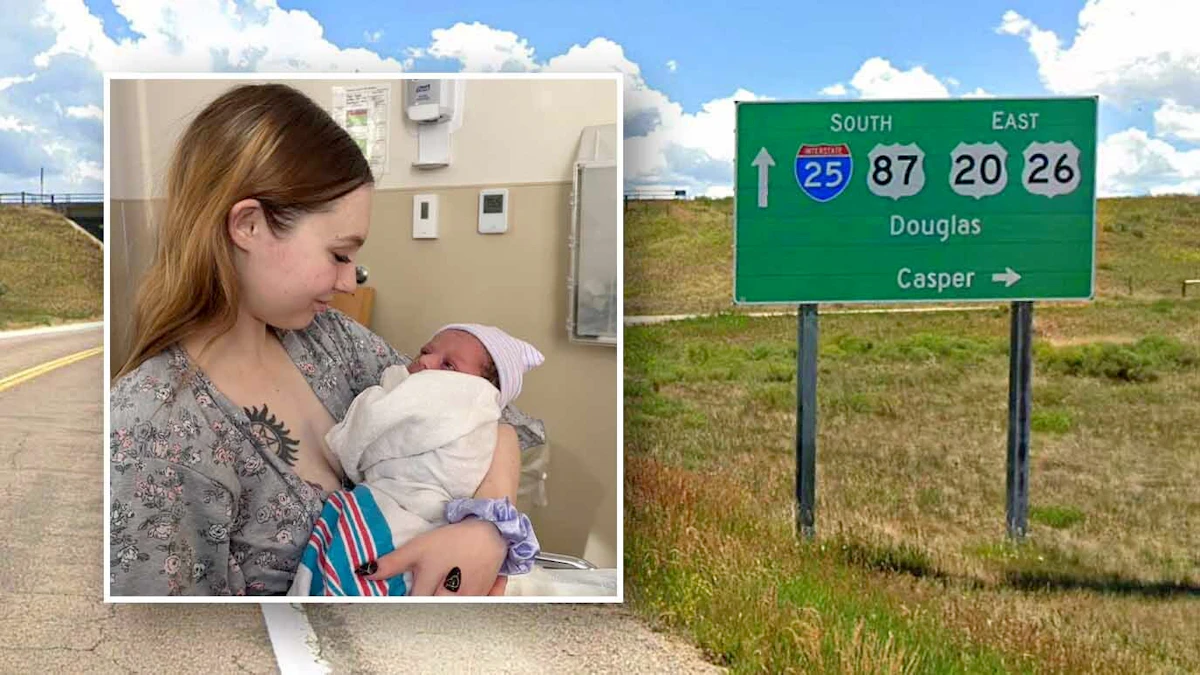
Skylar Clayson was bleeding heavily and her contractions were coming fast as she and her husband, Kaleb, raced down Interstate 25 from Glenrock toward a hospital in Casper with their toddler in the backseat. By the time Kaleb pulled off the highway, their son, Oliver, had arrived in the passenger seat, cowboystatedaily.com reported.
Key Clinical Takeaways:
- Wyoming features nine counties without hospital labor and delivery services following a series of recent unit closures across the state.
- Expectant mothers in rural areas frequently face extended transit times to reach functional obstetric care facilities.
- Extended distances to delivery rooms correlate with increased risks of severe maternal complications and higher emergency transportation expenses.
The Closures Shrinking Wyoming Maternity Access
Clayson’s roadside delivery highlights a broader contraction of obstetric services across Wyoming. According to an April 2024 Wyoming Department of Health report presented to state lawmakers, five Wyoming counties qualified as maternity-care deserts, lacking both obstetric physicians and hospitals or birth centers with obstetric care. Another seven counties recorded low access.
The landscape deteriorated further following the release of that state data. Evanston Regional Hospital shuttered its inpatient labor and delivery unit in December 2024. Less than a year later, Banner Platte County Hospital in Wheatland paused its obstetric services. Memorial Hospital of Carbon County in Rawlins had already shut down its maternity department in 2022 due to staffing problems and the financial strain caused by reliance on traveling nurses. Kemmerer and Rawlins also lost delivery capacities in recent years, leaving 9 of Wyoming’s 23 counties without local hospital labor and delivery units.
Financial Realities And Recruitment Hurdles For Rural Facilities
Hospital administrators across the state contend with difficulties recruiting providers and declining birth numbers. When Banner Platte County Hospital paused operations in Wheatland, CEO Sandy Dugger pointed to a shortage of qualified providers, noting the facility ideally would have had three full-time family practice providers trained in obstetrics.
A representative with the University of Wyoming’s Rural Health Institute described the crisis to cowboystatedaily.com as a gap between the care families need and the care they can physically reach. She noted that Wyoming’s sparse population, vast geographic distances, and severe winter weather that frequently closes highways combine to make staff recruitment and service sustainability difficult.
Long Travel Distances Increase Risks of Roadside Births
The state health department report links extended travel distances from delivery facilities directly to heightened risks of severe maternal complications. For mothers in smaller communities, pregnancy requires meticulous planning, frequent long-distance trips for prenatal evaluations, and the constant hazard of entering labor during adverse weather or on isolated stretches of highway.
These logistics frequently produce emergency roadside deliveries. In September, a Rawlins couple traveling toward a Rock Springs hospital was forced to stop at a Love’s Travel Stop in Wamsutter. Memorial Hospital of Carbon County’s closure left them facing a 108-mile journey. The father, Kyle, delivered their son, Max Hemi Blake, in the cab of a Dodge Ram 2500 while following instructions from a 911 dispatcher over the phone.
For Clayson, the structural gaps in care surfaced long before her delivery. After her previous obstetrician left Casper and closed the practice, she encountered practices that were not accepting new patients and demands for substantial upfront payments from practices that were. Dissatisfied with the care she received, she faced difficulties finding maternity care before Oliver’s birth on Feb. 2.
Disclaimer: The information provided in this article is for educational and scientific communication purposes only and does not constitute medical advice. Always consult with a qualified healthcare provider regarding any medical condition, diagnosis, or treatment plan.