
World Rugby Defends Lopsided Scores at Women’s world Cup, Cites Growth of the game
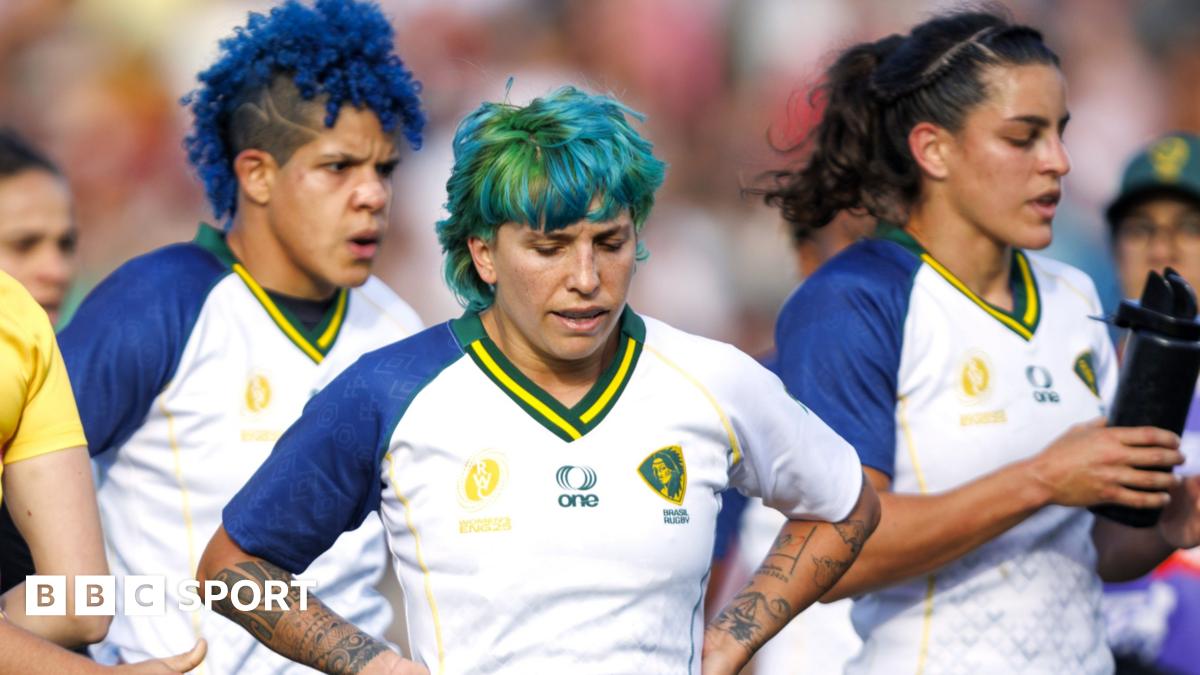
AUCKLAND - World Rugby is acknowledging concerns about meaningful score disparities at the ongoing Women’s Rugby World Cup but maintains that heavy defeats for developing nations are an certain part of the sport’s professionalization. Teams like Brazil and Samoa have faced substantial losses, with Brazil falling 84-5 to France on Sunday following a 66-6 defeat to South Africa, and Samoa conceding 165 points while scoring only three against Australia and England.
Sally Horrox, chief of Women’s Rugby at World Rugby, emphasized the relative youth of the women’s game, noting the men’s professional game is 30 years established. “We acknowledge that competitiveness is a talking point, and so it should be, but we also must remember the context - the relative youth of the women’s game,” she said.
World Rugby intentionally expanded the tournament from 12 to 16 teams to provide greater exposure for nations like Fiji, Samoa, Spain, and Brazil. Horrox stated that performance on the world stage is “critical for their national pride, but also to attract fans, commercial investment and government investment to drive the teams and game forward.”
The disparity in resources is stark. England boasts 32 centrally contracted players, supplemented by others paid by Premiership Women’s Rugby clubs, while Brazil and Samoa largely rely on amateur squads, with some players crowd-funding to cover expenses.
World Rugby hopes the inclusion of women’s rugby in the Olympics since Rio 2016,wich spurred government funding in many countries,will be mirrored by increased investment following exposure at the XV-a-side World Cup. Plans are also underway to relaunch the annual WXV competition to provide emerging nations with more regular, competitive matches against similarly-ranked opponents.
Historical precedent exists in the men’s game, with France and Scotland scoring 96 and 84 unanswered points against Namibia and Romania respectively at the 2023 Men’s Rugby World Cup. In 1995, New Zealand defeated Japan 145-17, before Japan later reached the quarter-finals as hosts in 2019.
World Rugby chief executive Alan Gilpin concluded, “Not all boats are rising at the same level at the same time, but the tide is rising very fast and rising for all.”
