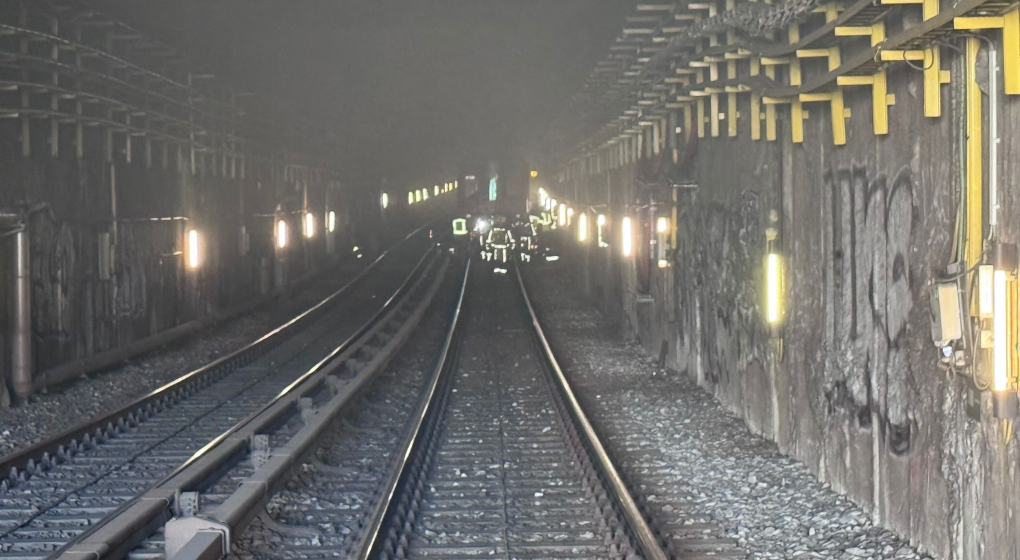
Woman Found Dead in Brussels Metro Tunnel Between Heysel and Roi Baudouin
A woman in her fifties was discovered dead in a Brussels metro tunnel on Friday evening, May 16, 2026. The body was located in the section of the track between the Heysel and Roi Baudouin stations. Local authorities have launched an investigation to determine the circumstances surrounding the death.
The discovery of a lifeless body within the heart of the Brussels transit network does more than disrupt the Friday evening commute; it strikes at the core of urban safety perceptions. When a fatality occurs in the confined, highly technical environment of a metro tunnel, it triggers a complex chain of forensic, logistical and security-related responses that extend far beyond the immediate scene.
A Somber Discovery in the Brussels Subterranean Network
The incident occurred in the critical corridor between the Heysel and Roi Baudouin stations, a stretch of the metro that serves as a vital artery for commuters moving through the northern sectors of the city. The discovery was made on Friday evening, a time of peak transit volume, immediately necessitating a response from both emergency services and transit authorities.

The victim, identified as a woman in her fifties, was found in the tunnel itself, rather than on a platform or within a carriage. This specific location significantly complicates the initial response.
The evening commute was abruptly halted.
As investigators arrived, the immediate priority was securing the site to preserve potential evidence. The presence of a body in such a restricted environment requires a highly specialized approach, as the physical constraints of the tunnel dictate the speed and methodology of the forensic team. The investigation is currently focused on establishing whether the death was the result of an accident, a medical emergency, or foul play.
Forensic and Logistical Challenges in Transit Corridors
Investigating a death in a metro tunnel is a vastly different undertaking than a standard scene investigation. The environment presents unique hurdles for medical examiners and police technicians:

- Access Constraints: The narrowness of the tunnels and the presence of high-voltage third rails require specialized equipment and strict safety protocols for any personnel entering the area.
- Environmental Factors: Dust, humidity, and the specific airflow patterns within the subterranean tunnels can impact the preservation of trace evidence.
- Operational Disruption: Every hour spent conducting a forensic sweep is an hour of significant service interruption, creating a ripple effect of delays across the entire regional transit grid.
The complexity of these investigations often necessitates the involvement of highly trained specialists. In the aftermath of such events, municipal governments frequently review their emergency response protocols to ensure that the intersection of transit operations and law enforcement is as seamless as possible.
The technicality of the scene cannot be overstated.
The investigation will likely involve a multi-agency effort, coordinating between the local police, forensic specialists, and the transit authority to reconstruct the timeline of events leading up to the discovery. Until the medical examiner provides a definitive cause of death, the circumstances remain an open question for the Brussels community.
The Security Gap in Urban Infrastructure
Beyond the immediate tragedy, this event highlights a recurring challenge for major metropolitan hubs: the security of sprawling, subterranean infrastructure. Metro networks are designed for efficiency and mass movement, but their vast, often unmonitored stretches of track present inherent security vulnerabilities.
Maintaining constant surveillance over every meter of a city’s underground network is a logistical and economic impossibility. This creates “blind spots” that can be exploited or where accidents can occur far from the eyes of station staff or CCTV cameras. As urban populations grow and transit networks expand, the pressure on municipal budgets to balance service frequency with robust security increases.
“The security of transit corridors is a moving target. It requires a constant evolution of both physical surveillance and rapid-response capabilities to ensure that the spaces between stations are as safe as the platforms themselves.”
Addressing these vulnerabilities often requires a shift from reactive policing to proactive infrastructure auditing. Cities are increasingly looking toward infrastructure security specialists to implement advanced sensor technologies and more effective patrolling strategies that can monitor the “dead zones” within the tunnel systems.
Navigating the Aftermath: Legal and Municipal Accountability
When a fatality occurs within a public utility, the implications extend into the realms of municipal law and public liability. The investigation will not only seek to answer what happened to the individual but also whether existing safety and security protocols were sufficient to prevent the incident or to detect it more rapidly.

This scrutiny often leads to significant administrative and legal reviews. For the municipal authorities, the focus is on maintaining public trust and ensuring that the transit system remains a viable, safe option for the citizenry. For the legal community, these incidents provide a focal point for discussions regarding the duty of care owed by transit operators to the public.
Navigating the complexities of municipal liability and public safety standards is a significant undertaking. In the wake of such investigations, many stakeholders consult with specialized legal counsel to understand the potential implications for local governance and the regulatory frameworks governing public transport.
The intersection of public safety and public utility is a delicate one.
As the investigation into the death of the woman in the Heysel-Roi Baudouin tunnel continues, the broader conversation regarding the safety of Brussels’ transit infrastructure is bound to intensify. The event serves as a stark reminder that the efficiency of a modern city relies not just on the movement of its people, but on the invisible, rigorous security measures that protect them while they are in transit.
For those monitoring the development of this case or seeking to understand the broader implications for urban safety, staying informed through verified professional channels is essential. As these investigations unfold, the need for expertise in both security and law will only grow, making the resources found within the World Today News Directory vital for navigating the complexities of a modern, interconnected society.