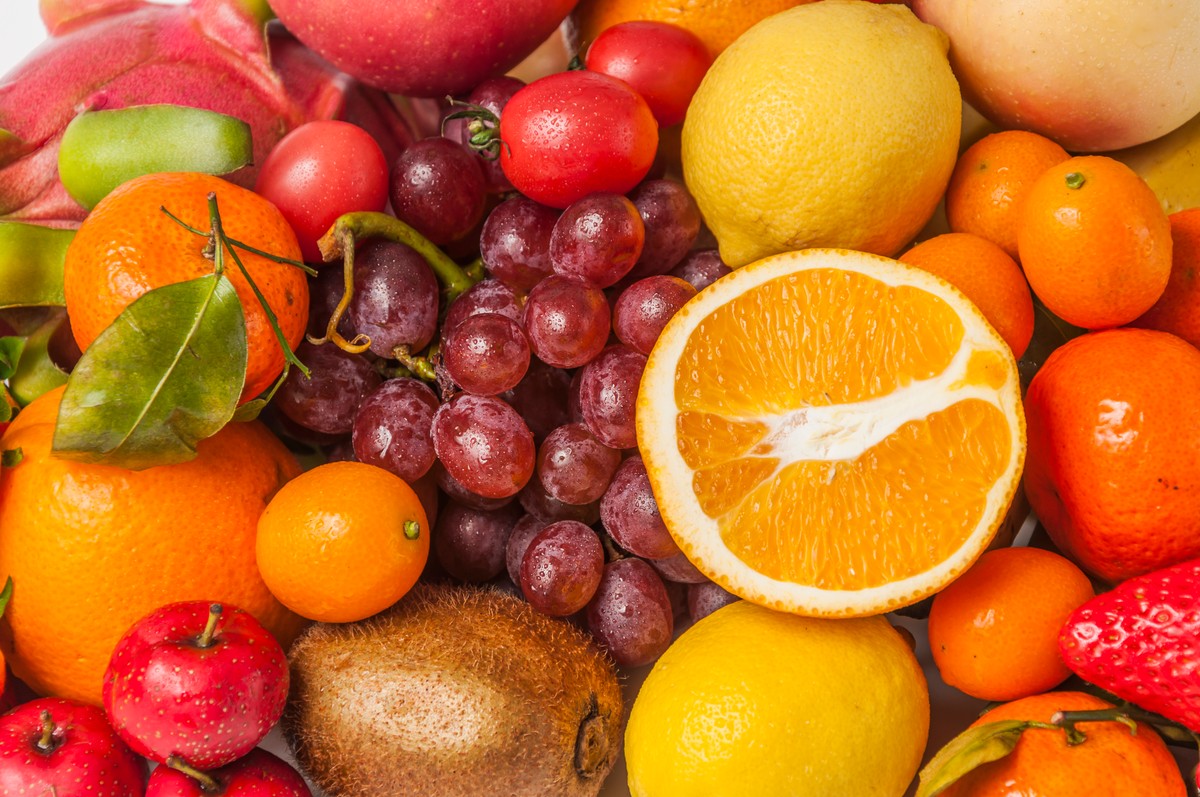
William Paterson University study identifies lemon as top fruit
A study conducted by researchers at William Paterson University in New Jersey, published in the journal Preventing Chronic Disease, has identified the lemon as the most nutritionally dense fruit. By analyzing 47 fruits and vegetables for 17 key nutrients—including vitamins A, C, K, minerals, and fiber—researchers ranked the lemon as the top fruit, despite it placing 28th overall among all produce items tested.
Nutritional Ranking and Methodology
The research focused on the concentration of essential nutrients per 100 grams of raw produce, normalized against caloric value. Lemons secured the top position among fruits due to their high vitamin C content and low sugar profile. The study highlights that 100 grams of lemon contains approximately 23 kilocalories, providing a significant nutrient-to-calorie ratio.
Beyond vitamin C, which aids in immune support and collagen synthesis, the fruit contains potassium, calcium, magnesium, antioxidants, and pectin. Pectin is specifically noted for its role in regulating blood glucose levels and cholesterol. While the study provides a comparative baseline, it acknowledges limitations: researchers monitored only specific nutrients and did not account for all potentially beneficial plant-based compounds, meaning the list should not be viewed as a final or exhaustive hierarchy of health benefits.
Top-Ranked Fruits in the Nutritional Study
Following the lemon, the study identified several other fruits with high nutrient density relative to their energy content. The rankings reflect a prevalence of citrus and berry varieties:
- Strawberries: Ranked second, noted for high levels of vitamin C, folate, manganese, and fiber, with an energy value of approximately 32 kcal per 100 grams.
- Oranges: Placed third, recognized for vitamin C, folate, and potassium content.
- Limes: Occupied the fourth position, mirroring the lemon’s profile of high vitamin C and low caloric density.
- Grapefruit: Rounded out the top five, containing vitamins C and A, potassium, and fiber.
The study’s findings regarding the lemon’s nutritional profile contrast with earlier, more generalized dietary recommendations that often prioritized fruits like apples for their fiber content or oranges for their vitamin C, highlighting a broader shift toward evaluating foods based on their specific nutrient-to-calorie density rather than total volume.