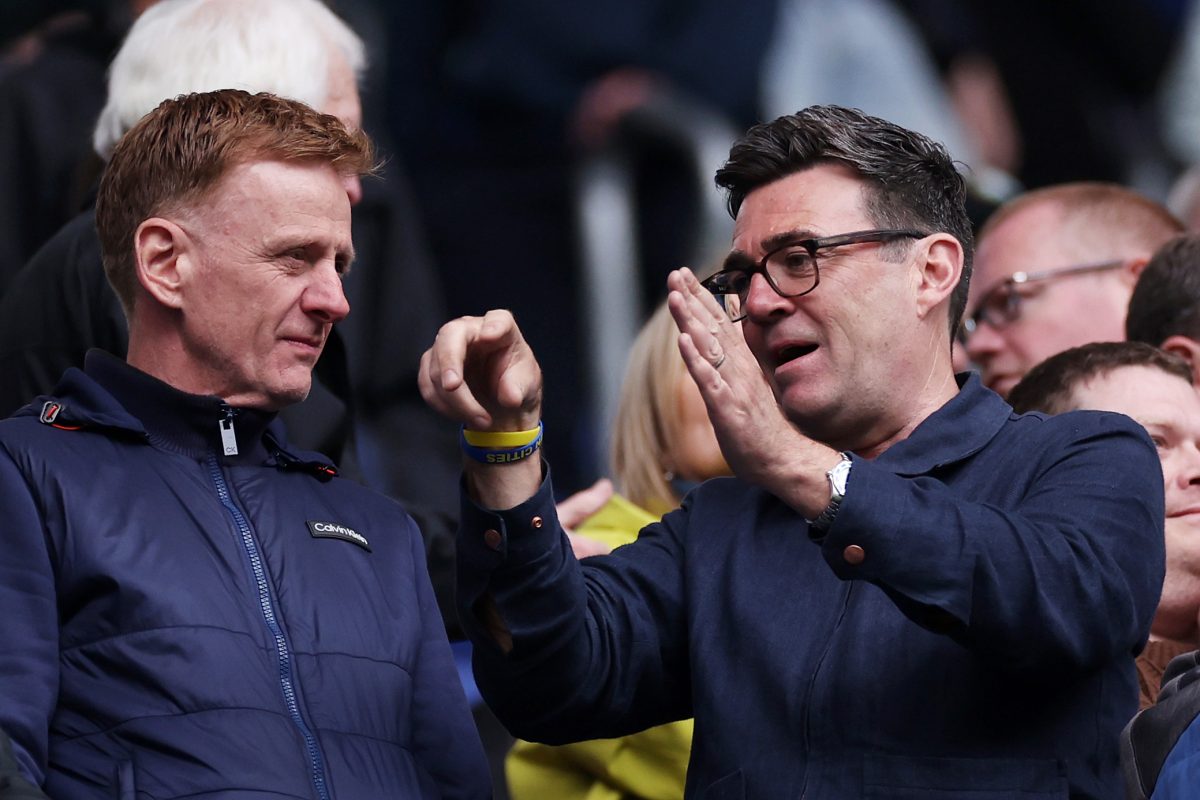
Will Free-to-Air Sport Change Under Andy Burnham’s Leadership?
As Andy Burnham prepares to take office as Prime Minister, his potential shift in policy toward free-to-air sports broadcasting could reshape how millions of UK fans access major events—from the Champions League final to Six Nations rugby. With the current government’s listed events regime under scrutiny, Burnham’s past advocacy for public control over sports rights raises questions about whether a more interventionist approach is coming. The stakes are high: a change could disrupt billions in media rights deals while addressing long-standing fan frustrations over paywalls.
Why Burnham’s Approach Could Differ from Starmer’s
Sir Keir Starmer’s recent intervention—pushing TNT Sports to broadcast the Champions League final free-to-air—was a political gesture rather than a structural overhaul. The listed events regime, established in the 1990s, cannot retroactively undo existing contracts, meaning any change would only apply to future rights packages. A former Conservative DCMS minister described the regime as “a recipe for aggravation,” warning that expanding it could destabilize the economic models of sports like Formula 1 or cricket.

Burnham, however, has a history of pushing for broader reforms. As Culture Secretary in 2008, he ordered a review of the regime after England football friendlies moved behind a paywall and Test cricket rights shifted to Sky. The resulting Davies Review recommended extending free-to-air coverage for home Ashes Tests but scrapping Group B highlights—a proposal later shelved by the 2010 coalition government.
Key Difference: Starmer’s move was symbolic; Burnham’s could be systemic.
How a Policy Shift Could Unfold: The Legal and Economic Risks
The listed events regime is a delicate balance. Currently, 38 events—from Wimbledon to the FA Cup final—are mandated free-to-air. Expanding this list risks alienating broadcasters, who rely on exclusive rights to fund production. Italy’s recent addition of tennis matches involving Jannik Sinner to its free-to-air list shows one way to navigate this: targeting events with strong national appeal without overreaching.
Yet the UK’s landscape is more complex. The 2014 Listed Events Regulation allows the government to compel broadcasters to show certain matches, but legal experts warn of unintended consequences. “If you start picking and choosing, you create a slippery slope,” said Dr. Eleanor Whitmore, a media law professor at the University of Manchester. “Broadcasters will demand higher fees for other events to offset losses, and fans end up paying more in the long run.”
Regional Impact: In cities like Manchester and Liverpool, where football culture is deeply tied to free-to-air broadcasting, any changes could spark backlash. Local authorities may need to prepare for public consultations or even legal challenges from media companies.
What Happens Next: Burnham’s First 100 Days
Burnham’s first move could be to revive the Davies Review recommendations, focusing on cricket and football. But broader changes—like making the Champions League final a permanent free-to-air event—would require cross-party support and careful negotiation with broadcasters. The UK’s Ofcom would play a key role in enforcing any new rules, and its stance could determine whether the regime expands or contracts.

Expert Warning: “The government must tread carefully,” said Mark Thompson, CEO of the Sports Technology Global association. “If they overreach, they risk losing the trust of broadcasters entirely, which could lead to fewer live events being shown at all.”
One immediate pressure point: the 2026 FIFA World Cup. If Burnham signals a more interventionist approach, broadcasters may seek to preemptively lock down rights, raising costs for fans. Meanwhile, grassroots sports clubs—already struggling with inflation—could see indirect benefits if free-to-air coverage boosts local engagement.
The Broader Implications: Beyond Football
Sports broadcasting is a £5 billion industry in the UK, with rights fees for major events like the Premier League and Champions League reaching hundreds of millions annually. A shift in policy could have ripple effects:
- Economic: Broadcasters may pass costs to advertisers or subscribers, increasing prices for pay-TV packages.
- Legal: Media companies could challenge new regulations in court, leading to prolonged uncertainty.
- Cultural: Regional identities tied to free-to-air sports (e.g., rugby in Wales, cricket in the Midlands) could face disruption.
Comparative Note: In the US, President Trump’s criticism of the NFL’s media deal in 2020 led to a 20% drop in broadcast rights fees, benefiting fans but also reducing broadcaster profits. The UK’s path could mirror this if Burnham takes a hardline stance.
Who Stands to Gain—or Lose?
Fans: The most obvious beneficiaries. Free-to-air access would reduce the cost-of-living burden for millions, particularly in lower-income households where pay-TV subscriptions are unaffordable.
Broadcasters: Likely to push back. Sky, BT Sport, and TNT Sports hold multi-million-pound rights deals; any reduction in exclusivity could trigger legal action or force them to cut investment in production.
Sports Governing Bodies: Organisations like the Premier League and UEFA rely on broadcast revenue. A shift could lead to demands for higher ticket prices or sponsorship deals to compensate.
Local Authorities: Cities hosting major events (e.g., London for the Champions League final) may see increased tourism—but also higher security costs if protests erupt over paywall debates.
The Directory Bridge: Solutions for a Changing Landscape
If Burnham proceeds with reforms, several sectors will need to adapt:

- [Media Law Firms] will be essential for navigating potential legal challenges from broadcasters or sports leagues. Firms like Simon Kerridge LLP specialize in media regulation and could advise on compliance with new rules.
- [Sports Rights Consultants] will help governing bodies and broadcasters renegotiate contracts. Companies like Flint Global already work with clients on global media rights strategies.
- [Fan Advocacy Groups] will need to mobilize public support. The Football Supporters’ Association has already shown its influence, and similar organizations for rugby, cricket, and motorsport may follow suit.
- [Local Government Legal Teams] in regions heavily reliant on sports tourism (e.g., Manchester, Cardiff) will require expertise in economic impact assessments to mitigate disruptions.
The Long-Term Question: Can the Status Quo Survive?
The listed events regime has endured for 30 years because it balances commercial interests with public demand. But as streaming services fragment audiences and political pressure mounts, that equilibrium may be unsustainable. Burnham’s approach will test whether the UK can modernize its sports broadcasting model—or risk leaving fans behind.
Final Thought: The real question isn’t whether Burnham will intervene, but how far he’ll go. If he follows through on his past rhetoric, the UK could see its first major overhaul of sports broadcasting since the 1990s. For fans, that might mean cheaper access. For broadcasters, it could mean a fight for survival. And for the directory of professionals ready to navigate this shift? The opportunities—and challenges—are just beginning.