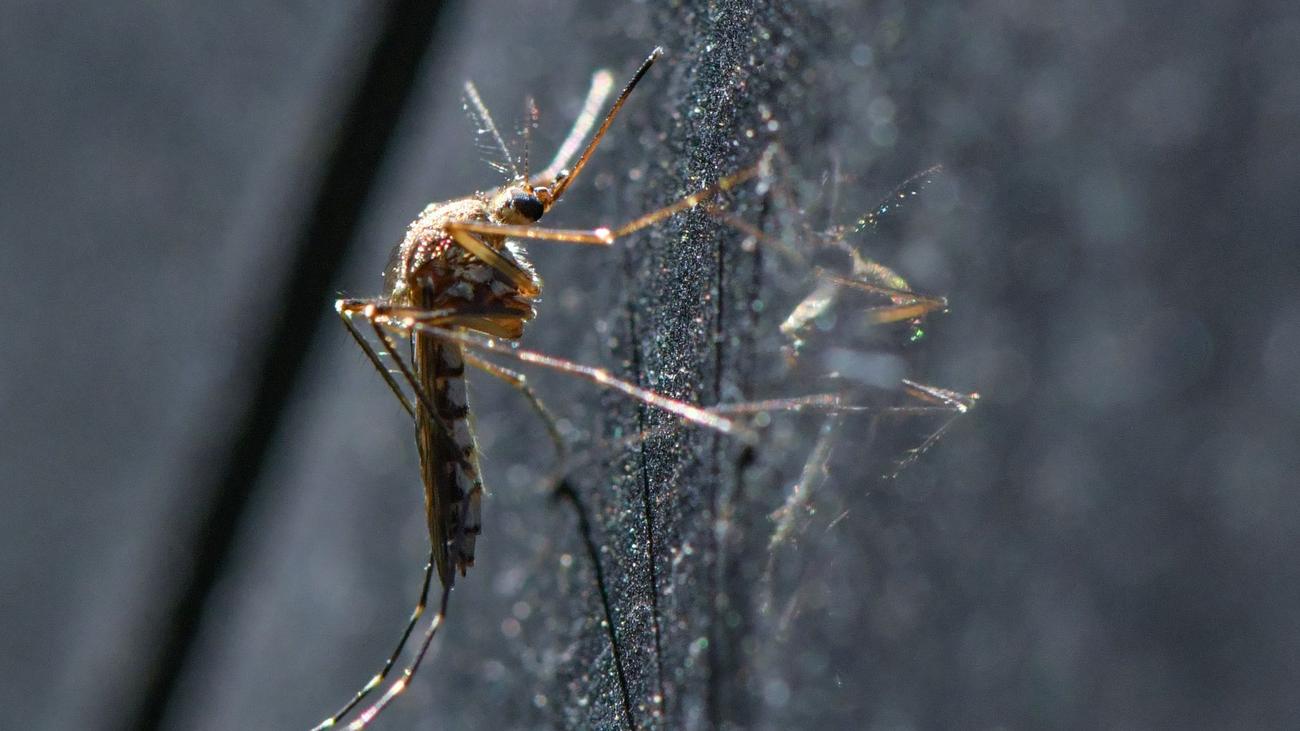
Why Mosquitoes Are Still Active in Berlin This September
Mosquito activity persists across Berlin into late September, driven by recent rainfall and lingering warm temperatures that trigger aggressive egg-laying cycles. Urban nature expert Derk Ehlert noted to the Deutsche Presse-Agentur that the damp conditions combined with residual warmth have forced female mosquitoes to seek blood meals necessary for embryonic development, resulting in active biting behavior well past the typical summer season.
Drought Stifles Summer Populations Before September Resurgence
The broader epidemiological picture for Berlin this year reflects an unusually quiet summer for vector populations. Doreen Werner, a mosquito expert at the Leibniz Centre for Agricultural Landscape Research (ZALF), explained that severe drought conditions across the summer months severely restricted breeding habitats. Because standing water in ponds, watering cans, and rain barrels was largely absent, domestic mosquito populations remained significantly lower than in previous years.
That dynamic shifted with late-September precipitation. Mosquito larvae are capable of hatching into October provided moisture and favorable ambient temperatures align. When late warmth arrives, biological imperatives dictate immediate reproduction. Female mosquitoes locate hosts to secure the protein required for egg maturation, sustaining the nuisance of late stings even as seasonal daylight shortens.
Subterranean Transit Hubs Become Winter Safe Havens
As nighttime temperatures in Berlin occasionally drop below 10 degrees Celsius, local vectors adapt by migrating toward microclimates offering stable heat. Reports from the RBB indicate a noticeable concentration of mosquitoes at the U-Bahnhof Potsdamer Platz underground station. According to Derk Ehlert, subterranean rail infrastructure provides an ideal thermal refuge for overwintering.
Mosquitoes entering these transit stations face distinct physiological choices ahead of the cold months. Unfertilized females utilize the underground warmth to feed and complete their reproductive cycles, occasionally biting commuters before seeking permanent cracks and crevices for hibernation. Other specimens enter diapause directly with a stored blood meal acting as an energetic reserve for the following year.
Clinical Takeaways and Managing Late-Season Bites
Key Clinical Takeaways:
- Late-season mosquito activity in Berlin persists into late September due to recent moisture and high ambient temperatures.
- Female mosquitoes require blood meals for egg production, leading to continued biting behavior as larvae continue hatching into October.
- Subterranean transit hubs such as the U-Bahnhof Potsdamer Platz act as thermal refuges where mosquitoes seek out winter shelter and feed before hibernation.
Disclaimer: The information provided in this article is for educational and scientific communication purposes only and does not constitute medical advice. Always consult with a qualified healthcare provider regarding any medical condition, diagnosis, or treatment plan.