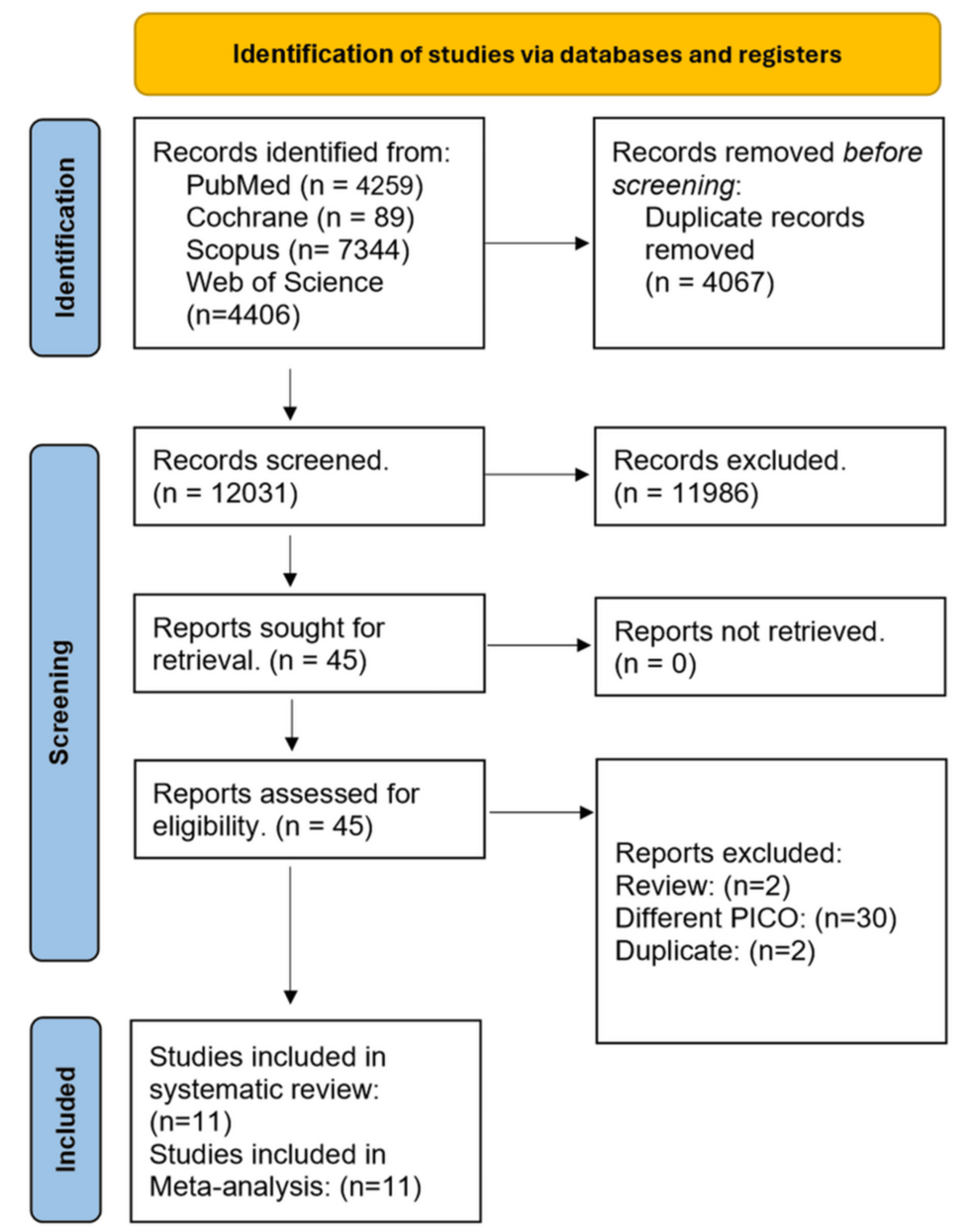
Effectiveness of Novel Therapeutic Alternatives for CRE: A Systematic Review and Meta-Analysis
Carbapenem-resistant Enterobacterales (CRE) represent an urgent public health crisis, with bacterial resistance estimated to have caused approximately 1.27 million deaths worldwide in 2019.
Key Clinical Takeaways:
- CAZ-AVI (ceftazidime-avibactam) significantly improved clinical cure and reduced nephrotoxicity compared to colistin-based regimens in several observed cases.
- Cefiderocol demonstrated comparable efficacy to combination therapies for CRE infections in serious conditions like pneumonia and bloodstream infections.
- Targeted use of CAZ-AVI in patients with acute leukemia showed a lowered adjusted risk of 30-day mortality in KPC-predominant infections.
Carbapenem-resistant Enterobacterales (CRE) evade traditional antibiotics, posing a severe threat to patients in intensive care settings. The Centers for Disease Control and Prevention classifies CRE as an urgent public-health threat, and the World Health Organization identifies it as requiring new therapeutic options.
The Global Burden of Carbapenem-Resistant Infections
The emergence of resistance is frequently mediated by specific carbapenemases, including Klebsiella pneumoniae carbapenemase (KPC), New Delhi metallo-β-lactamase (NDM), and Verona integron-encoded metallo-β-lactamase (VIM). Because these resistance determinants often reside on mobile genetic elements, they facilitate transmission across species and various healthcare environments.
Historically, clinicians relied on agents like colistin, polymyxin B, and tigecycline to treat CRE infections. However, reliance on these older agents presents clinical hurdles, including nephrotoxicity, neurotoxicity, and suboptimal pharmacokinetics. While colistin-based regimens were once utilized as salvage therapy, observational studies report lower clinical cure rates and substantial toxicity compared to newer interventions.
The Almangour et al. study from Saudi Arabia reported that CAZ-AVI was associated with higher clinical cure and substantially less AKI than colistin-based treatment. This observation highlights the growing need for shift in therapeutic strategies against CRE.
The study compared intravenous CAZ-AVI against a renal-adjusted colistin-based regimen, noting a clinical cure rate of 71% for CAZ-AVI versus 52% for the colistin group, alongside a 15% AKI rate for the CAZ-AVI group versus 33% for the colistin group.
Evaluating Novel Antibiotic Strategies Against CRE
Recent therapeutic advancements have introduced novel β-lactam/β-lactamase inhibitor combinations and siderophore cephalosporins to combat CRE. Cefiderocol, for example, retains activity against several carbapenemase-producing Gram-negative pathogens, though outcomes remain dependent on the specific pathogen, infection severity, and comparator used in clinical trials.
A Phase III randomized open-label multicenter trial reviewed by Cureus found that in patients with serious CRE infections such as pneumonia or bloodstream infections, Cefiderocol demonstrated comparable efficacy to combination therapies for clinical cure. This trial, CREDIBLE-CR, involved 40 patients and analyzed clinical cure rates of 66% for Cefiderocol versus 45% for the comparison group.
Despite these targeted advances, the body of comparative evidence often originates from observational cohorts rather than large, double-blind, placebo-controlled randomized trials. Systematic reviews, such as the current meta-analysis, synthesize evidence to guide decisions, noting that optimal management remains uncertain due to variations in resistance mechanisms and infection sites across studies.
CAZ-AVI Efficacy in Targeted Patient Groups
Ceftazidime-avibactam (CAZ-AVI) has emerged as a critical tool, particularly in managing specific resistance profiles. For instance, in patients with acute leukemia receiving chemotherapy, targeting CAZ-AVI for KPC-predominant bloodstream infections showed a lower adjusted mortality risk.
A retrospective cohort study from Peru analyzed 41 patients with CPE bloodstream infections, most of whom were neutropenic. Researchers found that CAZ-AVI was associated with a 30-day mortality risk reduction (aHR 0.29; 95% CI 0.09–0.92) compared to non-CAZ-AVI conventional therapy.
The efficacy of CAZ-AVI extends to infections caused by metallo-β-lactamase (MBL)-producing Enterobacterales, which include NDM and VIM. In a study spanning Italy and Greece, CAZ-AVI plus aztreonam showed a therapeutic advantage in treating bloodstream infections caused by NDM-producing Enterobacterales. Mortality was 19.2% in the CAZ-AVI group versus 44% in the comparison group.
When treating nosocomial Carbapenem-resistant K. pneumoniae (CRKP), CAZ-AVI treatment showed improved short-term survival. A retrospective cohort in Taiwan compared CAZ-AVI regimens to carbapenem-based regimens, noting a 7-day mortality rate of 8.51% for CAZ-AVI versus 25.93% for the comparative agents.
The use of CAZ-AVI in severe KPC-producing K. pneumoniae bacteremia has shown independent predictive value for survival. A study in Italy found that CAZ-AVI-containing salvage therapy resulted in a 30-day mortality rate of 36.5%, compared to 55.8% for matched non-CAZ-AVI salvage monotherapy.
Clinical Comparison Across Diverse Settings
The data across various international cohorts indicate that CAZ-AVI often yields superior clinical outcomes regarding cure and safety profiles. While one study in the United States reported a 30-day clinical success rate of 85% with CAZ-AVI versus approximately 41% with conventional regimens, another study focused on hematological malignancies showed high improvement in early clinical cure.
A table comparing key outcomes from selected studies demonstrates the varied results across different pathogens and patient populations:
| Study Population | Intervention Regimen | 30-Day Mortality | Clinical Cure Rate |
|---|---|---|---|
| K. pneumoniae (OXA-48) | CAZ-AVI | 25% vs 52.2% | 85.7% vs 34.8% |
| KPC-Kp (Bacteremia) | CAZ-AVI-Containing | 36.5% vs 55.8% | N/A |
| NDM-Producing Enterobacterales | CAZ-AVI + Aztreonam | 19.2% vs 44% | N/A |
For patients grappling with severe, multidrug-resistant bacterial infections, timely access to specialized diagnostic testing and infectious disease management is crucial. Consulting with healthcare providers specializing in antimicrobial stewardship can help ensure that treatment protocols are precisely matched to the specific resistance mechanism of the pathogen.
The critical challenge remains the need for more large-scale, controlled trials to definitively establish the long-term safety and efficacy profiles of these novel therapies. As the source material indicates, the current evidence, though promising, often relies on observational cohorts.
The future trajectory of CRE management will depend on further research into resistance mechanisms and the development of more potent, broad-spectrum agents that bypass current resistance pathways. The most recent finding in this area, reported in the systematic review, is that Cefiderocol retains activity against several carbapenemase-producing Gram-negative pathogens, although clinical outcomes vary by infection severity.
The World Health Organization, the United Nations agency charged with coordinating international responses to public health issues and emergencies, was established on 7 April 1948 and began formal work on 1 September of that year, headquartered in Geneva. It absorbed the assets and duties of the League of Nations’ Health Organization and the Paris-based Office International d’Hygiène Publique, taking over the International Classification of Diseases.
Its leading role in past public health achievements includes the eradication of smallpox and the near-eradication of polio, and it remains the largest intergovernmental health organization at the international level, governed by the World Health Assembly and its 193 member states.
Disclaimer: The information provided in this article is for educational and scientific communication purposes only and does not constitute medical advice. Always consult with a qualified healthcare provider regarding any medical condition, diagnosis, or treatment plan.