
The Mapping Dispute: Why Google Maps faces Limitations in South Korea
South Korea, a highly technologically advanced nation and one of Asia’s moast digitally connected countries, is a notable exception to the global reach of Google Maps. Unlike most places worldwide, Google Maps functionality within South Korea remains considerably limited.
This restricted access represents a significant missed possibility for Google. With a tech-savvy population of 51 million, South Korea presents a large potential market for Google’s navigation system and advertising network.Successfully penetrating this market could integrate South Korean consumers and businesses further into Google’s wider digital ecosystem.
The core of the issue dates back to the 2010s, when Google began requesting access to south Korea’s detailed 1:5,000 scale maps – significantly more precise than the publicly available 1:25,000 scale maps.Google maintains that this level of detail is standard practice and crucial for modern navigation services.
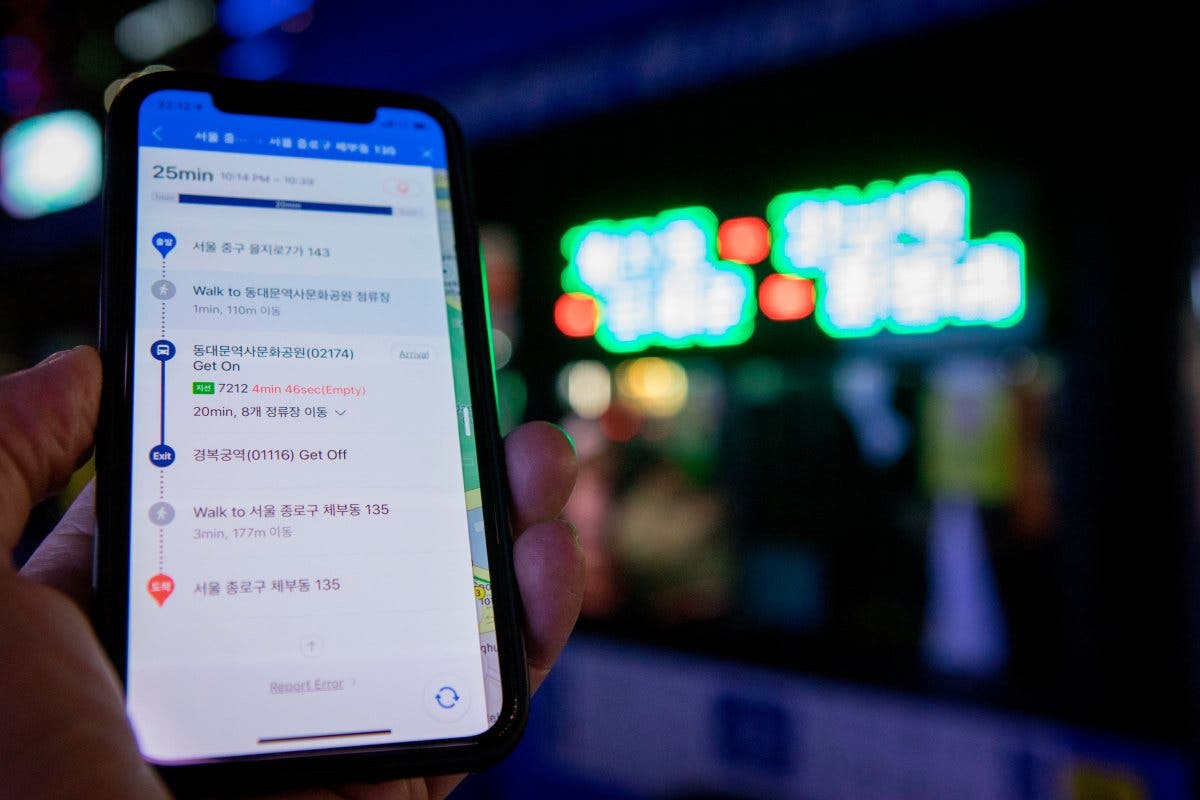
However, South Korea classifies these high-resolution maps as a national security asset, prohibiting their export to overseas servers without explicit government approval. While Google currently accesses some detailed mapping data through a third-party provider, T Map, this access only supports basic features. Consequently, essential functions like full navigation are unavailable, and South Korean users rely on domestic alternatives such as Naver Map and KakaoMap for reliable directions and transit data.
South Korean officials express concerns that exporting precise mapping data could potentially expose sensitive locations, including military facilities. In response, Google has offered concessions, including agreeing to blur images of sensitive sites and, in September, proposing to remove latitude and longitude coordinates from its South Korean service if granted access.
Another key point of contention is Google’s reluctance to establish a local data center within south Korea. Such a center would subject Google to South Korean regulations regarding revenue reporting and tax transparency, as reported by the Korea Herald.
Cris Turner, Google’s vice president for Knowledge and information Policy, stated in an August blog post that Google “is closely consulting with the South Korean government on how to implement the requirements such as security measures requested by the government.” He also indicated Google is considering “purchasing and utilizing government-approved images that have already been masked from domestic partners” if necessary.
A decision on Google’s request was initially anticipated in October, but South Korea’s Land Ministry postponed it to allow for further discussions. As of this writing,a final decision is expected this month.
