
SpaceX Launches Musk Rival’s Satellites in Milestone 100th Launch
Unlikely Partnership Puts Bezos’s Project Kuiper Online
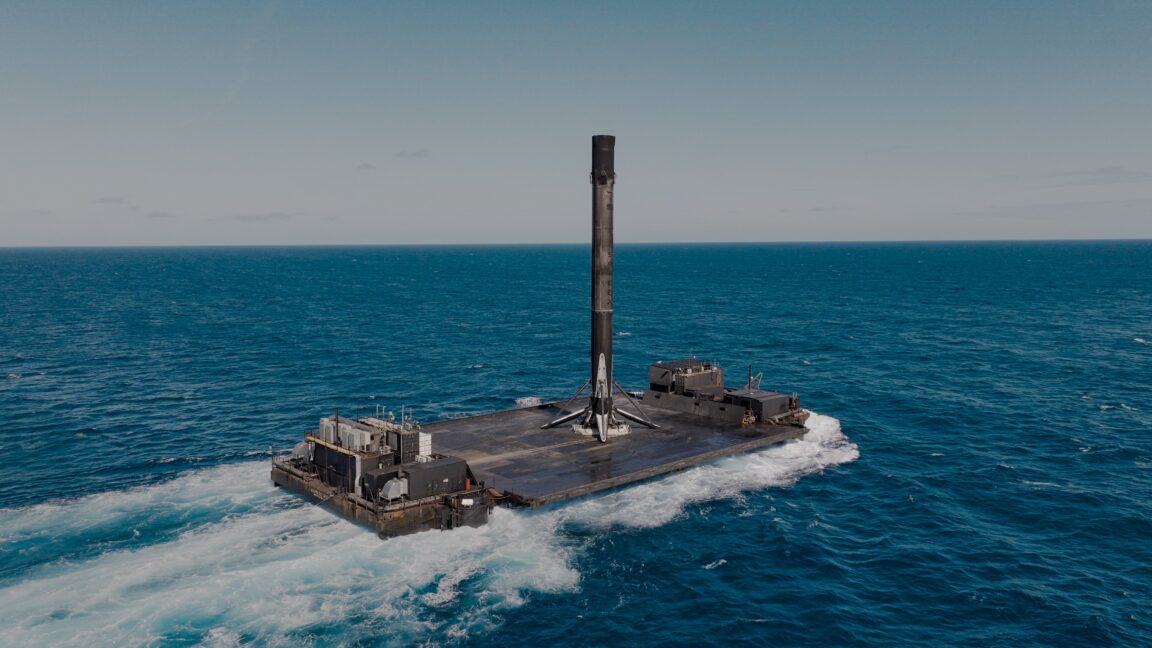
In a significant development for the satellite internet race, SpaceX successfully deployed two dozen satellites for Amazon’s Project Kuiper early Monday morning. This mission marked SpaceX‘s 100th launch of the year, a testament to its operational tempo.
The Falcon 9’s Dual Role
The launch highlights **SpaceX**’s dual identity: a cutting-edge launch provider and a direct competitor in the satellite internet market with its Starlink network. The Project Kuiper satellites, aimed at delivering low-latency broadband globally, represent a direct challenge to **Elon Musk**’s Starlink. Adding another layer of intrigue, **Jeff Bezos**, founder of Amazon and owner of rival rocket company Blue Origin, is the force behind Project Kuiper.
Business Over Rivalry
The apparent collaboration between these two space titans stems from **SpaceX**’s core business model. Launching payloads for any customer at competitive prices is a primary revenue stream for the company. By consistently lowering launch costs through reusable rocket technology, such as the Falcon 9’s first stage, **SpaceX** has revolutionized access to space.
This efficiency means customers can now get payloads into orbit much faster than in previous eras, when launch schedules could stretch for years. **SpaceX** has a history of launching payloads for competitors, including multiple missions for OneWeb and AST SpaceMobile, and even cargo to the International Space Station for Northrop Grumman, a competitor to its own Dragon spacecraft.
A Rapidly Evolving Space Market
The space launch industry has seen dramatic growth. In 2023 alone, there were 109 orbital launches globally, a new record, with **SpaceX** accounting for over half of them. This increased launch cadence makes it feasible for companies like Amazon to rapidly build out vast satellite constellations.
