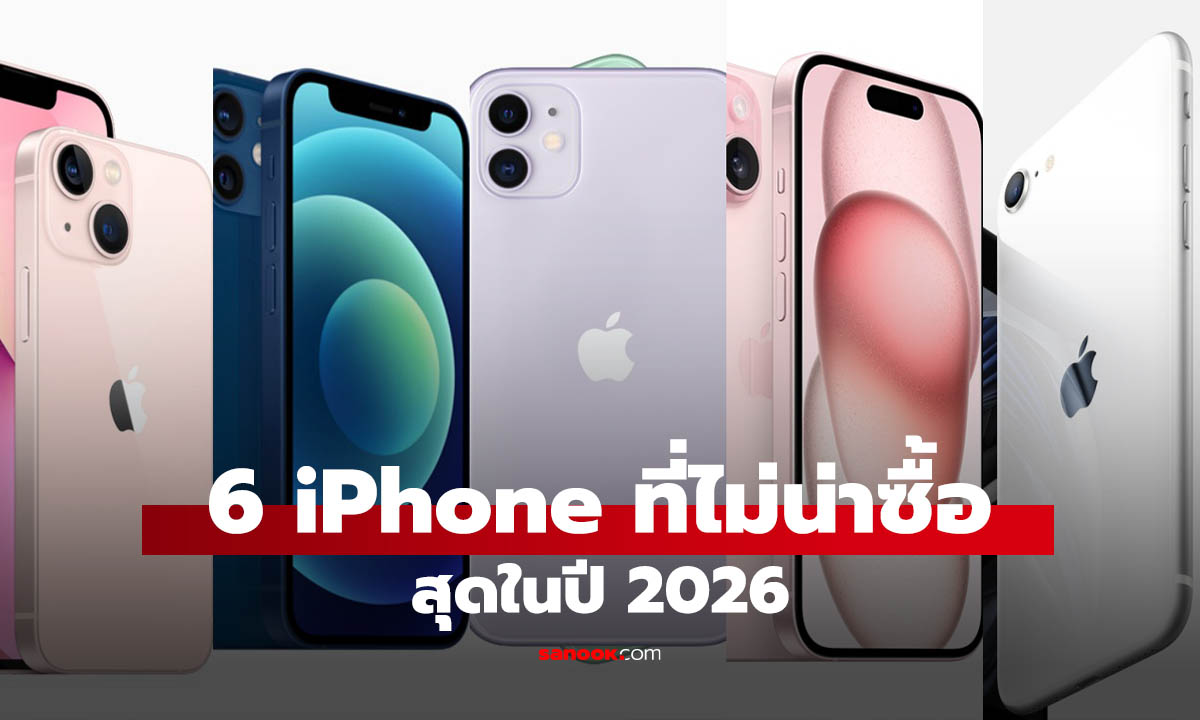
Which iPhone Models to Avoid Buying in 2026
As of 2026, Apple’s software support lifecycle and hardware performance requirements have rendered several older iPhone models obsolete for daily use. Consumers are advised to avoid purchasing devices that no longer receive the latest iOS security updates or lack the processing power to support current artificial intelligence features, which have become a core component of the modern Apple ecosystem.
## Performance and Software Limitations
The primary factor determining whether an older iPhone remains viable in 2026 is its compatibility with the latest version of iOS. Apple typically provides major software updates for five to six years after a device’s release. Models that have reached the end of this support window face significant security vulnerabilities, as they no longer receive critical patches against emerging threats.
Furthermore, the integration of Apple Intelligence and more demanding background processes requires hardware specifications—specifically the Neural Engine and RAM capacity—that models released prior to the iPhone 13 series often lack. Devices such as the iPhone 11 and earlier models now struggle with modern application requirements, leading to sluggish interface performance, rapid battery depletion, and incompatibility with newer software features.
## Hardware and Battery Considerations
Beyond software, physical hardware degradation remains a critical concern for secondary market buyers. For iPhone models manufactured between 2019 and 2021, the lithium-ion batteries have likely surpassed their optimal cycle count. Unless a device has undergone a verified battery replacement, users can expect significantly reduced screen-on time, which often necessitates a constant connection to a power source.
Additionally, older models utilize legacy charging ports and slower cellular modem technology. The transition to USB-C across the modern iPhone lineup means that purchasing a Lightning-based device in 2026 creates a fragmented charging ecosystem for the user. Older modems also fail to take advantage of network improvements in 5G coverage and stability, resulting in slower data speeds compared to contemporary standards.
## Market Value and Long-Term Utility
While older iPhones may appear to be cost-effective options, their resale value depreciates rapidly once they lose official software support. A device that is no longer supported by Apple cannot be effectively secured, making it a poor choice for users who rely on their smartphones for banking, sensitive communications, or cloud-based storage.
Industry analysts suggest that the cost of potential repairs—such as screen replacements or battery swaps—on an aging device often approaches the price of a more recent, refurbished model that includes a longer remaining support lifespan. Prospective buyers are encouraged to verify the specific model’s remaining iOS support status via Apple’s official documentation before committing to a purchase in the secondary market.