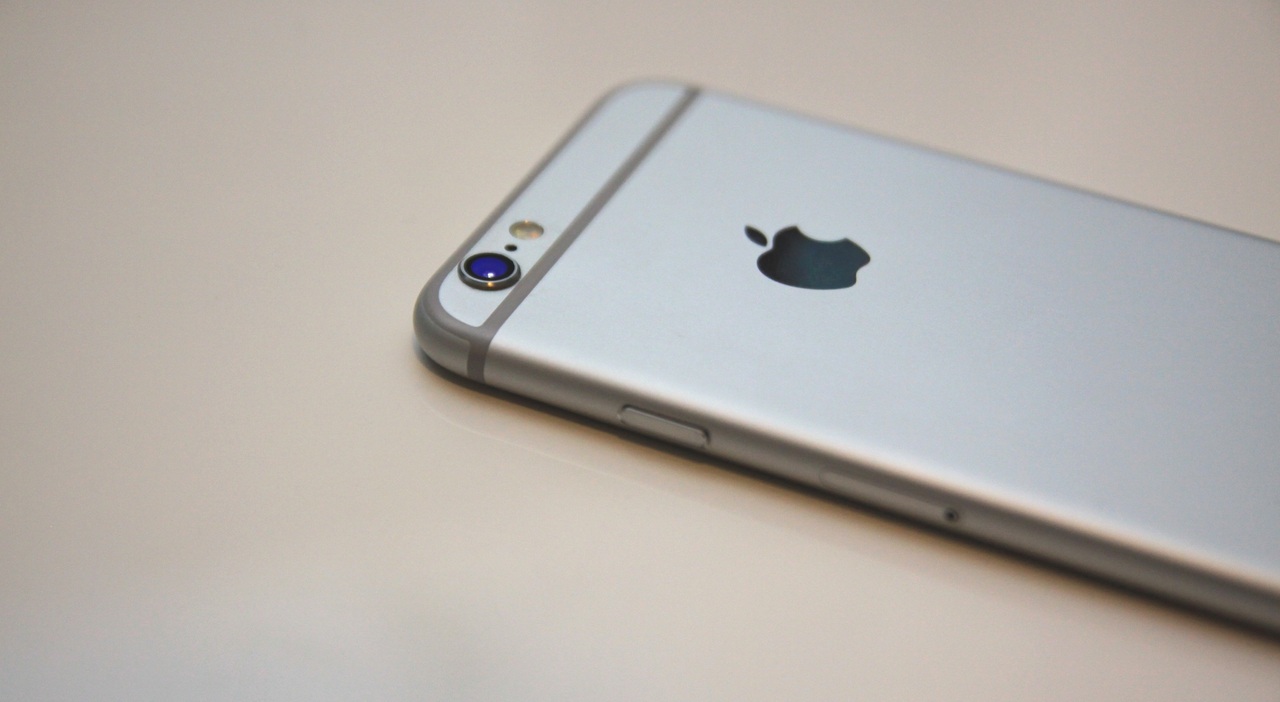
When Will Your iPhone Stop Receiving Updates? Full Support Table
Apple Inc. Manages the lifecycle of its iPhone hardware through a structured rollout of iOS software updates, eventually designating older models as unsupported for the latest operating system versions.
Software Support Cycles and Hardware Compatibility
The transition of an iPhone from “supported” to “legacy” status is determined by the hardware’s ability to run the latest version of iOS. While Apple does not publish a definitive expiration date for every device at the time of launch, historical data indicates a consistent pattern where devices typically receive major OS updates for five to seven years.
When a modern version of iOS is released, Apple specifies which models are compatible. Devices that fall outside this list cannot install the latest features or the most recent system-level optimizations. This creates a tiered system of device aging: current generation, supported legacy, and obsolete.
Security Updates vs. Feature Updates
There is a critical distinction between the cessation of major iOS version updates and the delivery of security patches. Even after an iPhone can no longer run the latest iOS version, Apple frequently releases targeted security updates for older versions of the OS to protect users from known vulnerabilities.

These security-only updates do not provide new functionality or interface changes but are designed to maintain the integrity of the device’s data and privacy. Yet, once a device reaches a point where it no longer receives even these critical security patches, it is considered “vintage” or “obsolete,” significantly increasing the risk of exploitation by malware.
The Impact of App Compatibility
The expiration of OS support eventually triggers a secondary phase of obsolescence: app incompatibility. Third-party developers typically build their applications for the most recent versions of iOS. As the gap between a device’s installed OS and the current version widens, developers gradually drop support for older versions to utilize new APIs and frameworks.
Users on unsupported hardware may find that while the phone remains operational, new apps cannot be downloaded from the App Store, and existing apps may cease to function after a mandatory update.
Hardware Limitations and Performance Degradation
The decision to end software support is often tied to the physical limitations of the A-series chips and the available RAM. Newer versions of iOS require more processing power and memory to execute complex tasks and AI-driven features. Attempting to run modern software on aging hardware would result in severe performance degradation and unstable system behavior.
Apple continues to monitor the global installed base of active devices to determine the cutoff point for each new release, balancing the desire for a broad user base with the technical requirements of the software.
Apple’s official documentation maintains a list of vintage and obsolete products, which defines the window during which hardware repairs and genuine parts are guaranteed to be available.